


No guessing. No damage. Just clear answers.
The Problem: Approximately 3 Litres of Pressure Loss Per Day
This was not a small domestic heating installation.
The property contained:
- two boilers
- two hot-water cylinders
- approximately 25 radiators, including towel radiators
- extensive heating pipework
- pipework installed within floor channels
- commercial and residential areas
The heating system was continually losing pressure.
With a reported loss equivalent to approximately 3 litres per day, a conventional concealed pipe leak beneath the floor was an obvious possibility.
However, previous investigations had failed to find one.
Our first objective was therefore not to assume that a pipe beneath the floor was leaking. We needed to establish where the system was actually losing pressure and whether all of the apparent water loss was occurring from the same fault.

Thermal Imaging and Moisture Investigation
We began with a non-invasive investigation of the accessible property.
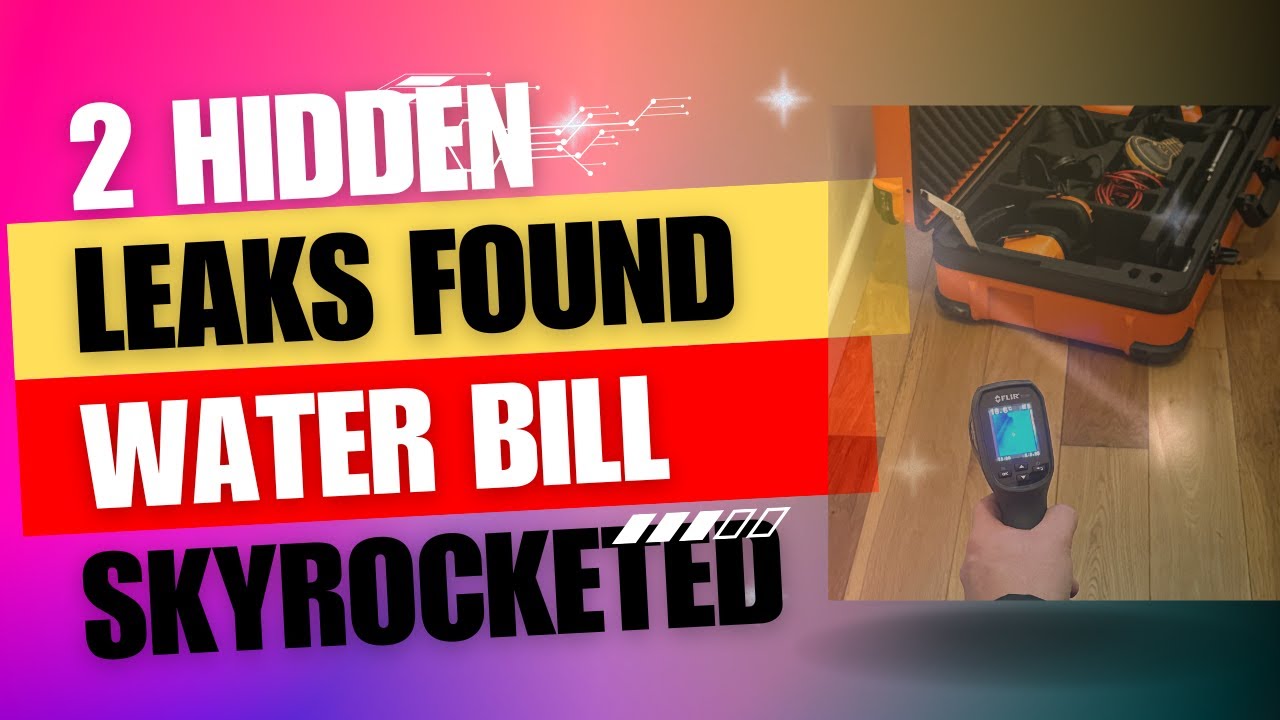
Heating pipe routes and surrounding areas were inspected using thermal imaging and moisture testing across areas including:
- living room
- hallway
- office
- kitchen
- bathroom
- accessible ceiling voids
The heating pipework was installed within channels beneath the floors.
Despite the reported pressure loss, we found no abnormal moisture pattern consistent with approximately three litres of water escaping beneath the floors every day.
There was also no evidence of significant downward water migration from the upper floors.
This was an important finding.
If that volume of water had been continuously escaping into the building structure, we would normally expect the investigation to reveal supporting evidence somewhere within the affected materials.
Instead, the evidence suggested that we needed to consider other possibilities, including:
- intermittent leakage
- small leaks evaporating before becoming visually obvious
- component leakage
- internal system leakage
- interaction or crossover between different water circuits
The investigation therefore moved beyond a conventional search for a single buried pipe leak.
How we found hidden water leaks without damaging your home


Complete Heating System Drain-Down
The entire heating system was drained rather than simply testing one small section.
During the drain-down, we identified further system issues.
Only one drain valve was operating correctly. Two other drain points appeared to be internally blocked, potentially by debris or corrosion.
The radiators and cylinder circuits were drained, and compressed air was used to help remove residual water from the pipework before tracer-gas testing.
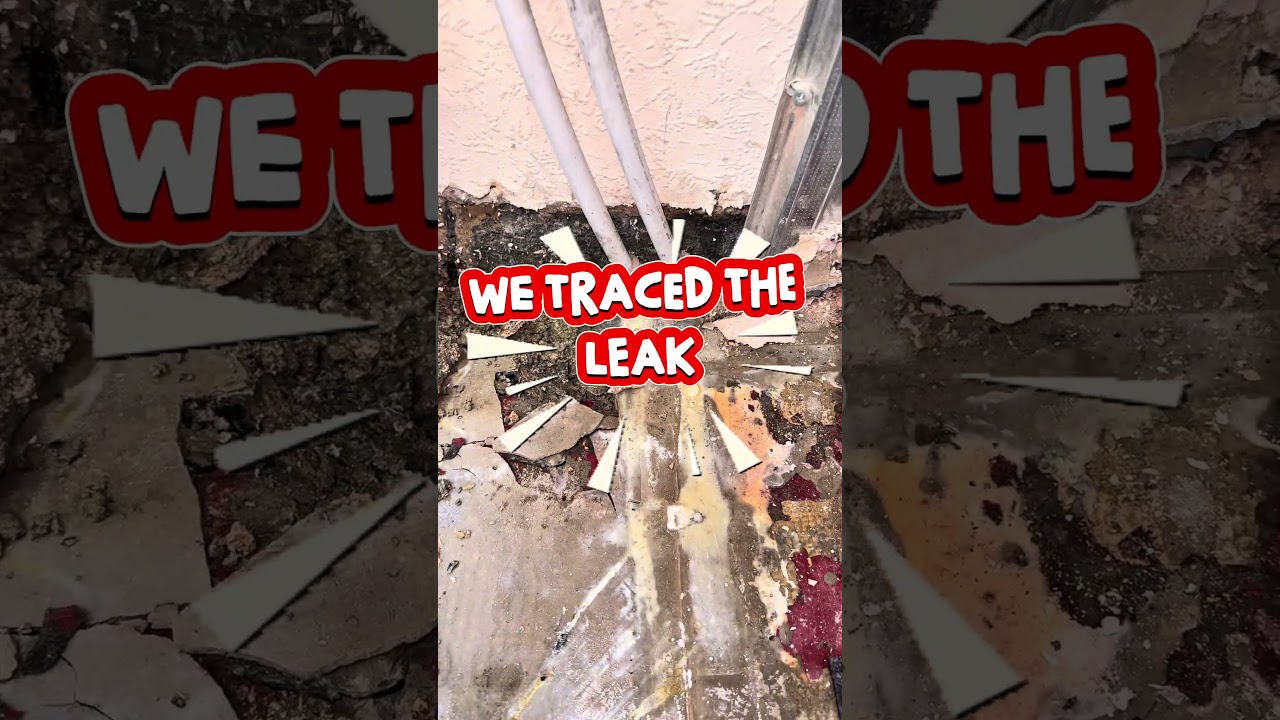
During this physical inspection, we discovered the first confirmed leak.
Confirmed Pinhole Leak in a Ground-Floor Radiator
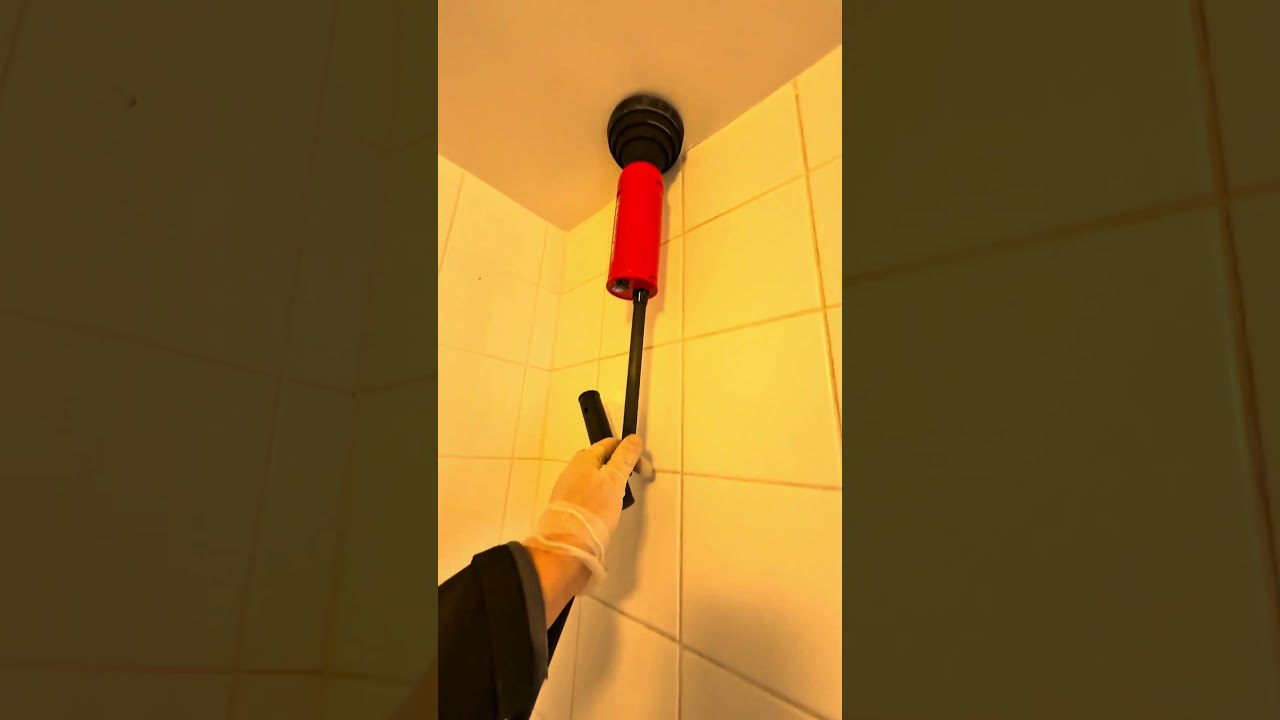
A radiator in the ground-floor bicycle room had developed an active pinhole leak through the radiator body.
There was evidence of substantial historical water accumulation around the area, although it was not possible to establish exactly how long the radiator had been leaking.
This could clearly contribute to the system pressure loss.
But it did not explain everything.
Further inspection identified several additional radiator-related defects, including:
- faulty air bleed valves
- corrosion within radiator panels
- inaccessible bleed points
- damaged radiator components
A ground-floor towel radiator also had a suspected damaged bleed valve. We did not force the valve because doing so could have created an uncontrolled leak.
At this stage, we already knew the property did not have one simple fault.
Hydrogen Tracer Gas Leak Detection
Once the heating system had been appropriately drained and prepared, we introduced hydrogen tracer gas into the heating circuit.
The investigation covered:
- central heating pipework
- primary cylinder coils
- radiators
- floors
- airing cupboard
- plant room
- hot-water outlets
Tracer gas circulation was confirmed throughout the system before detailed detection work continued.
The purpose was to determine whether gas was escaping from areas that could not be identified through visual inspection, thermal imaging or moisture testing alone.


Hidden Leak Found at the Low-Loss Header
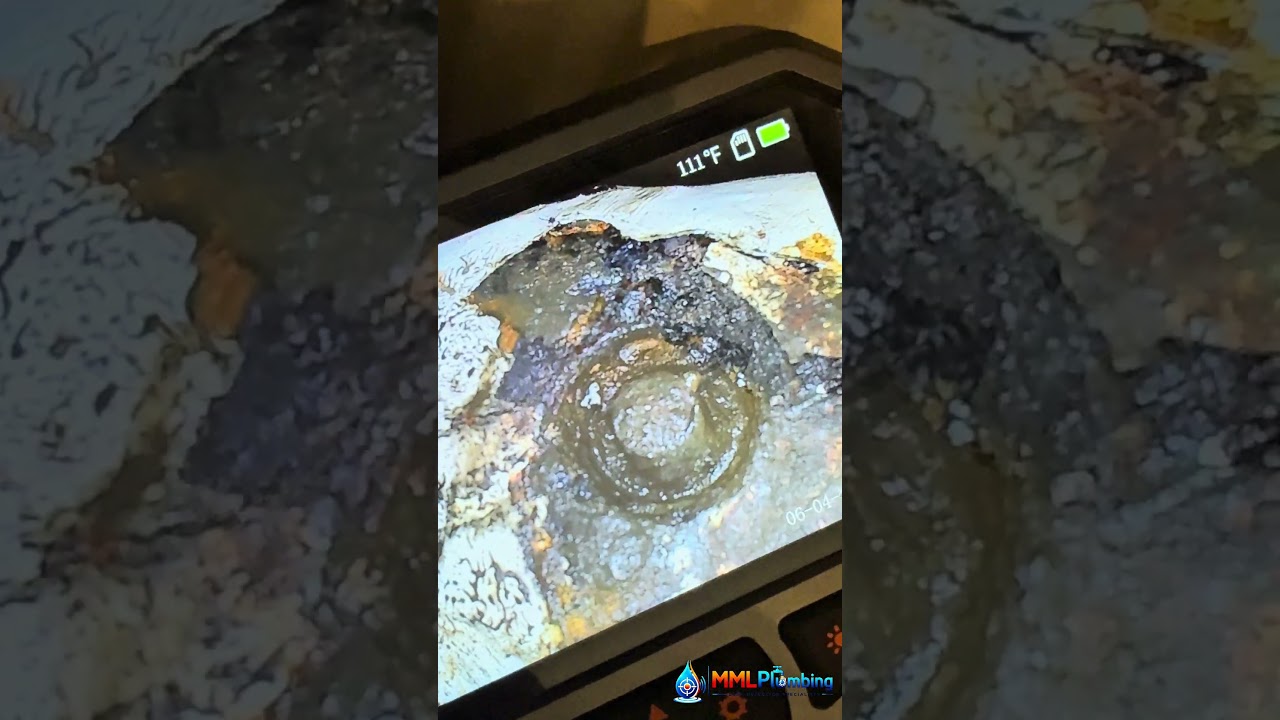
Investigation of the plant room identified an actively leaking automatic air vent on the low-loss header.
The leak was partly concealed by insulation.
Water had been escaping around the component and running down the low-loss header, causing visible corrosion and rusting before reaching the floor.
This was another genuine source of water loss that could easily be missed during a superficial inspection.
Hydrogen Readings Identified Additional Radiator Leaks
Tracer-gas testing also produced elevated readings around radiators.
An elevated hydrogen reading was detected around the dining-room radiator, while the highest radiator reading exceeded 900 ppm in the office.
Further inspection identified leaking air bleed valves.
One valve was tightened during the investigation.
These were relatively small leaks individually, but small continuous leaks can be difficult to identify because water can evaporate rather than creating an obvious puddle.
This was becoming increasingly important to the investigation: the system’s pressure loss was not necessarily coming from one large hidden hole.
There were multiple points of loss.
The Major Discovery – Hydrogen Detected in the Domestic Hot Water
The most significant finding came when we extended tracer-gas testing beyond the obvious heating components.
Hydrogen was detected at:
- a hot-water tap in the boiler room
- the cylinder pressure-relief discharge
The tracer gas had been introduced into the heating circuit.
It should therefore not have been appearing on the domestic hot-water side.
This provided important evidence that the heating circuit and domestic hot-water system were communicating somewhere internally.

Possible Heating-to-Hot-Water Crossover
The findings indicated an internal crossover between the heating circuit and domestic hot-water system.
Based on the system arrangement and the evidence available during the investigation, the principal possibilities were:
1. A micro-fracture within a hot-water cylinder heating coil
or
2. An incorrect previous plumbing connection creating cross-contamination between the systems
A cylinder coil normally separates the heating water circulating through the coil from the domestic water stored within the cylinder.
If the coil develops an internal defect, the two water systems can potentially communicate.
This type of fault is particularly significant in a pressure-loss investigation because the heating system can lose pressure without producing a conventional visible leak beneath the floor.
Instead of water simply escaping into the building structure, pressure can potentially be lost internally between systems.
Why Previous Investigations Could Have Missed the Problem
This case demonstrates why boiler pressure loss cannot always be solved by searching for a wet floor.
The property had several simultaneous issues:
- a pinhole radiator leak
- leaking radiator bleed valves
- a leaking low-loss-header automatic air vent
- inadequate or failed air venting
- abnormal air circulation within the heating system
- evidence of heating-to-hot-water crossover
- possible cylinder coil failure or incorrect cross-connection
Meanwhile, our investigation did not identify evidence of a buried heating pipe leaking beneath the floors at the time of testing.
A technician searching only for a single underground leak could therefore continue investigating floors without resolving the actual pressure-loss problem.

Air Movement Was Also Affecting System Pressure
The system did not have appropriate automatic air venting at all required high points.
Air was circulating through the heating system and escaping through defective venting.
This can complicate pressure behaviour and make interpretation more difficult because pressure changes are not necessarily caused exclusively by water escaping from pipework.
This is why pressure-loss investigations need to consider the heating system as a whole rather than treating every falling pressure gauge as proof of a buried pipe leak.
Was the Boiler Leaking?
We found no visible external boiler leak during the investigation.
An internal boiler leak was considered less likely based on the evidence available at the time, but it could not be completely excluded without independently isolating and pressure-testing the boilers.
No corresponding condensate discharge indicating this type of boiler water loss was observed during our investigation.
For that reason, we did not recommend replacing boiler components based on assumptions.
Further isolation testing would be required if the remaining pressure behaviour justified it.
Important Safety Issue Identified
The investigation also identified an unrelated but important safety concern.
Pressure-relief valve discharge arrangements were terminating onto the floor.
Hot discharge water can present a burn risk, and the arrangement required appropriate remedial attention.
Leak detection investigations frequently expose issues beyond the original reported symptom, which is why the complete system and surrounding installation should be considered when evidence warrants it.
Air Movement Was Also Affecting System Pressure
The system did not have appropriate automatic air venting at all required high points.
Air was circulating through the heating system and escaping through defective venting.
This can complicate pressure behaviour and make interpretation more difficult because pressure changes are not necessarily caused exclusively by water escaping from pipework.
This is why pressure-loss investigations need to consider the heating system as a whole rather than treating every falling pressure gauge as proof of a buried pipe leak.
Was the Boiler Leaking?
We found no visible external boiler leak during the investigation.
An internal boiler leak was considered less likely based on the evidence available at the time, but it could not be completely excluded without independently isolating and pressure-testing the boilers.
No corresponding condensate discharge indicating this type of boiler water loss was observed during our investigation.
For that reason, we did not recommend replacing boiler components based on assumption.
Further isolation testing would be required if the remaining pressure behaviour justified it.
Important Safety Issue Identified
The investigation also identified an unrelated but important safety concern.
Pressure-relief valve discharge arrangements were terminating onto the floor.
Hot discharge water can present a burn risk, and the arrangement required appropriate remedial attention.
Leak detection investigations frequently expose issues beyond the original reported symptom, which is why the complete system and surrounding installation should be considered when evidence warrants it.

Recommended Next Investigation
Because this is a large system containing two boilers, two cylinders and approximately 25 radiators, further investigation needs to be carried out systematically.
The recommended next stage is to divide the installation into sections and pressure-test components independently.
This should include:
- replacing defective automatic air vents
- providing appropriate high-level automatic air venting where required
- repairing or replacing leaking radiators and bleed valves
- cleaning the system filter
- isolating the boilers and pressure-testing them independently
- isolating both cylinders
- pressure-testing the cylinder coils independently
- investigating the pipework for an incorrect crossover connection
Only after these tests should replacement of a hot-water cylinder be specified.
Finding tracer gas on the domestic hot-water side provides strong evidence that further cylinder/crossover investigation is required, but evidence should determine which component is replaced rather than replacing expensive equipment by assumption.
This investigation was carried out by MML Plumbing Ltd — you can view our verified business location and customer reviews.
What This Case Demonstrates About Boiler Pressure Loss
This SW19 investigation is a good example of why a boiler losing pressure does not automatically mean there is one hidden pipe leaking beneath the floor.
Several small faults can exist simultaneously.
A heating system can also potentially lose pressure internally through another component or water circuit without producing the type of visible damp normally associated with a leaking pipe.
In this property, combining physical inspection, thermal imaging, moisture investigation, pressure behaviour and hydrogen tracer-gas testing allowed us to move away from the assumption of a buried floor leak and identify evidence pointing towards multiple component leaks and an internal heating-to-hot-water crossover.
That distinction matters.
Without evidence-led leak detection, extensive flooring could have been opened without identifying the primary problem. Read more case studies.


Boiler Losing Pressure With No Visible Leak?
If your boiler or central heating system keeps losing pressure but plumbers cannot find where the water is going, do not assume the next step is to start opening floors.
MML Plumbing carries out specialist heating-system leak detection across London using pressure testing, hydrogen tracer gas, thermal imaging, acoustic detection, moisture investigation and inspection cameras where appropriate.
We investigate the evidence first, narrow down the source of the pressure loss and help determine the correct next step before unnecessary repairs or destructive access are undertaken.
Boiler losing pressure with no visible leak? Contact MML Plumbing to arrange a specialist leak detection investigation.

