


Fast & Reliable Service!
Expert Water Pressure Testing Services in London
Water pressure testing is an essential part of diagnosing problems with a property’s incoming water supply and internal plumbing distribution.
Low pressure, excessive pressure and poor water flow can affect showers, taps, baths and other plumbing fixtures. However, similar symptoms can have different causes.
Our engineers investigate how water moves through the installation, checking the available pressure and flow under suitable operating conditions.
The initial assessment helps establish whether the issue originates from the external water supply, internal pipework or individual plumbing components.
Our approach combines practical plumbing experience with appropriate measurements to support reliable findings and suitable next steps.

What Does Water Pressure Testing Measure?
Professional water pressure testing assesses how a plumbing installation performs under different conditions.
Static Water Pressure
Static pressure is the pressure measured when water is not flowing through the tested outlet.
It provides a baseline reading of the available water supply pressure.
Pressure is normally measured in bar.
Dynamic Water Pressure
Dynamic pressure is measured while water is flowing.
It helps engineers understand how the system responds when taps, showers or other outlets are operating.
A significant reduction under demand may indicate restrictions or insufficient supply capacity.
Water Flow Rate
Flow rate measures the volume of water delivered over time, usually in litres per minute (L/min).
A property can have reasonable static water pressure but inadequate flow because of restricted pipes, faulty valves or other plumbing limitations.
Pressure and flow rate must be considered together to understand the performance of the water supply system.
How to Book Water Pressure Testing with MML Plumbing
1
Describe Your Problem
Tell us about your low water pressure, weak shower flow or fluctuating water supply. Explain which taps or outlets are affected so we can assess your plumbing problem and recommend the appropriate testing service.
2
Receive Your Quotation
We review your water pressure problem, request additional details if needed and explain the recommended testing service. You’ll receive clear, transparent pricing before arranging your appointment.
3
Arrange Your Appointment
Choose an available date and time that suits your schedule. We offer convenient morning and afternoon appointments across North London and surrounding areas for professional water pressure testing.
4
Professional Pressure Testing
Our qualified plumbing engineer will assess your water pressure, flow rate and plumbing components using suitable testing equipment. We focus on identifying the underlying cause of your water pressure problems.
5
Findings and Next Steps
After completing the water pressure testing, our engineer will explain the results and identify any plumbing issues. We provide clear recommendations for suitable repairs or improvements, with any additional work discussed before proceeding.
Why Customers Trust MML Plumbing


Certified & Highly Qualified Engineers You Can Trust
Nationally Recognized Certifications:
Plumbing & Water Systems
- City & Guilds NVQ Level 2 in Plumbing
- NVQ Level 3 Diploma in Plumbing & Heating
- WRAS Approved – Water Regulations Compliance
- G3 – Unvented & Vented Hot Water Systems
- WaterSafe Approved Contractor
Specialist Leak Detection
- Acoustic Leak Detection – Pressurised & Buried Pipe Systems
- Hydrogen Tracer Gas Leak Detection (Non-Invasive)
- ITC Certified Thermal Imaging Diagnostics
- Moisture Mapping & Damp Investigation
- Insurance-Supporting Trace & Access Reporting
- IICRC Certified – Water Damage Inspection Standards
System & Technical Experience
- Central Heating & Underfloor Heating Leak Investigation
- Mains Water Supply & Underground Pipe Diagnostics
- Domestic & Commercial Plumbing Systems
- Vented & Unvented Hot Water Systems
- Water & Sewage Utility Plumbing
Common Water Pressure Problems We Investigate
Low Water Pressure Throughout the Property
When several taps and showers produce weak water flow, the problem may involve the incoming mains supply or a component serving multiple outlets.
Possible causes include restricted pipework, partially closed stop taps, faulty pressure-reducing valves or changes in external supply conditions.
Testing helps determine whether the problem affects the entire installation or particular sections.
Poor Shower Pressure and Weak Water Flow
A shower may perform poorly because of insufficient available pressure, inadequate flow rate, restrictive pipework or unsuitable plumbing components.
The type of hot-water system also influences shower performance.
For example, a gravity-fed installation has different pressure characteristics from a mains-fed unvented hot-water cylinder.
Our engineers assess the relevant plumbing arrangement before recommending alterations.
Fluctuating Water Pressure
Water pressure may change when several outlets operate simultaneously.
However, noticeable fluctuations can also be associated with faulty control valves, pipe restrictions or changing incoming supply conditions.
Monitoring static and dynamic pressure helps establish how the installation behaves during normal use.
Excessive Mains Water Pressure
High incoming water pressure can place additional strain on valves, flexible connections and plumbing fittings.
Where appropriate, a pressure-reducing valve can help control downstream pressure.
Our plumbers assess the installation and check existing pressure-control components before recommending adjustments or replacement.
Low Hot-Water Pressure
If cold-water flow is satisfactory but hot-water delivery is poor, the issue may involve the hot-water distribution system.
Restricted valves, pipework limitations or components associated with the hot-water cylinder may affect performance.
The appropriate investigation depends on the installation type.
Low Water Pressure at One Tap
When only one tap is affected, the cause is often localised.
Potential issues include a restricted tap aerator, defective cartridge, partially closed isolation valve or kinked flexible connection.
Inspecting the affected outlet can help determine whether a straightforward plumbing repair is required.


What Causes Low Water Pressure in London Properties?
Several factors can affect the pressure and flow available within a plumbing system.
Partially Closed or Defective Stop Taps
The main stop tap controls the incoming water supply to the property.
A partially closed valve may restrict water flow, while an ageing or defective valve can create additional resistance.
Older valves should not be forced because damage may cause leakage.
Faulty Pressure-Reducing Valves
A pressure-reducing valve controls downstream water pressure where one is installed.
If the valve becomes defective or restricted, it may affect water delivery throughout the connected installation.
Restricted Water Supply Pipes
Pipe diameter, pipe length and the number of fittings influence the flow available at taps and showers.
Restricted or undersized pipework can reduce performance when several outlets operate simultaneously.
Limescale Buildup and Internal Restrictions
Limescale accumulation may restrict certain plumbing fittings, particularly in hard-water areas.
Tap aerators, shower components and some valves can become affected over time.
However, limescale should not be assumed to be the cause without examining the installation.
Changes in Mains Water Supply Conditions
External water supply conditions can influence the pressure available at a property.
Where testing indicates that the problem originates outside the internal plumbing installation, the relevant water supplier may need to investigate.
Previous Plumbing Alterations
Additional bathrooms, showers or changes to the plumbing layout can increase demand on existing pipework.
A system that previously supplied one bathroom adequately may perform differently after additional outlets are installed.
Testing helps determine whether the available pressure and flow are suitable for the current installation.
Can Water Pressure Be Improved Without Replacing the Plumbing System?
In some cases, water pressure problems can be resolved without extensive pipe replacement.
The appropriate solution depends on the root cause.
For example, a faulty pressure-reducing valve or restricted tap fitting may require a localised repair.
Other properties may have limitations involving pipe sizing, incoming supply capacity or the arrangement of the plumbing distribution system.
Our engineers assess the available options before recommending repair work.
Installing additional equipment without first identifying the cause may not improve performance.

Water Pressure Testing for Domestic Properties
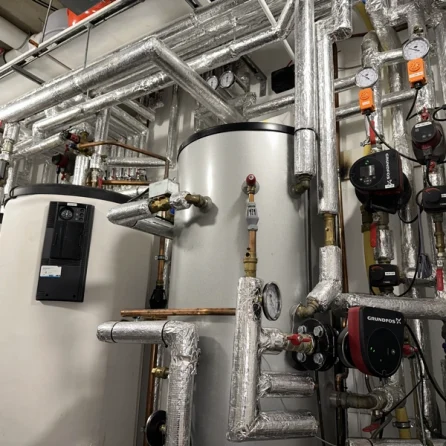
Domestic plumbing installations vary considerably in design and condition.
Some London properties have traditional gravity-fed hot-water systems, while others use mains-fed hot-water cylinders or different plumbing arrangements.
The available water pressure and flow can affect shower performance, bath filling times and simultaneous use of multiple outlets.
Our plumbers investigate suitable pressure problems in houses, flats and residential properties, taking account of the existing water supply system.
The findings help homeowners understand whether the problem relates to an individual fixture or the wider installation.
Our water pressure testing process in London
Our Water Pressure Testing Process
1. Initial Plumbing Assessment
Our engineer discusses the symptoms and examines the relevant plumbing installation.
We establish whether the pressure problem affects one outlet, several rooms or the entire property.
The assessment also considers whether the problem occurs continuously or only when multiple fixtures operate.
2. Water Pressure Measurements
A suitable pressure gauge is used to measure the available pressure at an appropriate testing point.
Static and dynamic readings may be taken to assess performance under different conditions.
The measurements are interpreted in relation to the installation rather than relying on a single reading.
3. Water Flow Testing
Where appropriate, the engineer measures the water flow rate in litres per minute.
Flow testing helps identify whether the installation delivers sufficient water for the connected fixtures.
Comparing pressure and flow provides useful information about possible restrictions.
4. Inspection of Plumbing Components
Accessible stop taps, isolation valves, pressure-reducing valves and relevant pipework are inspected where appropriate.
The engineer considers possible causes such as restricted connections, defective fittings, limescale accumulation or unsuitable pipework arrangements.
5. Findings and Next Steps
Following the investigation, we explain the findings and discuss suitable options.
Depending on the cause, recommendations may include valve adjustments, component replacement, pipework alterations or further assessment of the incoming water supply.
Not every pressure issue can be resolved through work inside the property.
Water Pressure Testing for Commercial Clients
Commercial properties may contain multiple washrooms, kitchen sinks, toilets and other water outlets operating throughout the day.
Poor water flow can affect several fixtures, particularly during periods of high demand.
MML Plumbing provides plumbing assessments for suitable commercial installations across North London.
The testing approach depends on the property’s layout, accessible pipework and the complexity of the water distribution system.
Where appropriate, our engineers assess pressure and flow conditions to help identify restrictions or defective plumbing components.
Water Pressure Testing Before Bathroom and Plumbing Installations
Understanding the available water supply is important when planning a new bathroom, shower or plumbing alteration.
A shower installation may require a particular pressure and flow rate to operate as intended.
If the existing supply cannot meet those requirements, the proposed equipment may not perform satisfactorily.
Testing before installation can help establish whether the current plumbing arrangement is suitable.
This information supports decisions about shower selection, pipework alterations and other plumbing requirements.
Water Pressure Testing and Water Regulations
Plumbing installations should be assessed with regard to relevant water regulations and the requirements of connected equipment.
Water pressure, suitable pipework materials, valves and backflow protection can all influence how an installation should be designed or altered.
MML Plumbing’s water regulations knowledge supports the assessment of domestic and commercial plumbing systems.
Where modifications are recommended, the proposed work should be appropriate for the installation and applicable requirements.


When Is Water Pressure Testing Necessary?
Water pressure testing may be appropriate when:
- Several taps or showers have consistently weak water flow.
- Water delivery becomes noticeably poorer when multiple outlets operate.
- Hot-water pressure differs significantly from cold-water performance.
- The incoming water pressure appears excessive.
- A pressure-reducing valve is suspected of malfunctioning.
- Plumbing alterations have affected water delivery.
- A new bathroom or shower installation is being planned.
- A commercial property experiences recurring water supply performance problems.
An assessment helps determine whether the problem can be resolved through a localised repair or requires further investigation.
Is Water Pressure Testing the Same as Leak Detection?
No. Although both investigations may involve pressure measurements, they have different objectives.
Water pressure testing assesses the available supply pressure and water flow within a plumbing installation.
Leak detection pressure testing investigates whether suitable isolated pipework maintains pressure under controlled conditions.
Low water pressure does not automatically indicate a hidden leak.
If the primary concern is unexplained dampness, suspected concealed pipe leakage or recurring pressure loss in a sealed heating circuit, a specialist investigation may be more appropriate.
Our separate article explains how pressure testing is used to investigate hidden water leaks.
For suspected concealed leaks, visit our specialist water leak detection service.

Why Choose MML Plumbing for Water Pressure Testing?
MML Plumbing Ltd is a family-run plumbing company based in Barnet, North London.
Our engineers have over 15 years of practical experience working with domestic and commercial plumbing installations.
We hold relevant plumbing and water regulations qualifications, including City & Guilds and WRAS-related credentials.
Our approach focuses on identifying the cause of water pressure problems before recommending repairs or alterations.
We provide reliable plumbing services, explain our findings clearly and assess each installation according to its individual requirements.
Water Pressure Testing Across North London
MML Plumbing provides water pressure testing and related plumbing services across Barnet, Finchley, Muswell Hill, Hampstead, Highgate, Crouch End, Wood Green, Southgate, Palmers Green, Winchmore Hill and surrounding North London areas.
Our service focuses on assessing water pressure and flow problems rather than general plumbing services in each location.
For a broader overview of our work, visit our North London plumbing services.
Book Professional Water Pressure Testing in London
If your property has low water pressure, weak shower flow or unexplained fluctuations in water delivery, MML Plumbing can assess the installation and explain the findings.
Our engineers investigate the available pressure, flow rate and relevant plumbing components to help establish the cause.
Opening hours: Monday–Friday, 9:00 am–5:00 pm.
We don’t guess. We prove. Then we fix.
Transform Your Home with Expert Plumbing and Heating Services!
Frequently Asked Questions About Water Pressure Testing
Question not answered? Ask A Question
Why Is My Water Pressure Low Throughout the House Even Though the Kitchen Tap Works Normally?
Different outlets can behave differently because of their pipe routes, fittings and flow requirements. A kitchen tap may appear satisfactory while a shower or upstairs bathroom receives insufficient water. Static pressure measurements, dynamic pressure testing and flow-rate checks can help establish whether the problem originates from the incoming supply, restrictive pipework or individual plumbing components.
Can a Faulty Pressure-Reducing Valve Cause Water Pressure to Drop When Several Taps Are Running?
A defective or restricted pressure-reducing valve can affect downstream pressure and flow, particularly when demand increases. However, similar symptoms may result from undersized pipework, partially closed stop taps or insufficient incoming supply capacity. Professional testing helps establish whether the valve is responsible before replacement is recommended.
What Is the Difference Between Water Pressure Testing and Water Flow Testing in a London Property?
Water pressure testing measures the pressure available within the plumbing installation, normally in bar. Water flow testing measures the volume delivered over time, usually in litres per minute. Both measurements are important because a property can have satisfactory static pressure but poor water flow due to restrictions or inadequate supply capacity.
Should I Have My Water Pressure Tested Before Installing a New Shower or Additional Bathroom?
Testing can help establish whether the existing plumbing system provides suitable pressure and flow for the proposed installation. This is particularly useful when adding another bathroom or replacing an existing shower with equipment that has different supply requirements. The results can help determine whether pipework alterations or other plumbing changes should be considered.
Can Water Pressure Testing Identify Whether Poor Shower Performance Is Caused by the Mains Supply or Internal Plumbing?
Pressure and flow measurements at suitable points can help determine whether poor performance originates from the incoming water supply or restrictions within the property. The engineer may compare readings at different outlets and inspect accessible valves and pipework. If the incoming supply is inadequate, further assessment by the water supplier may be necessary.

