
No guessing. No damage. Just clear answers.
Acoustic Leak Detection
Acoustic leak detection is one of the most widely used methods within professional leak detection investigations for locating underground water leaks in pressurised pipe systems. When water escapes from an underground pipe under pressure, it creates sound vibrations that travel through the pipe wall, the surrounding ground, and the surface above. Acoustic sensors and ground microphones placed on the surface amplify these sound vibrations, allowing the engineer to follow the leak noise along the pipe route and identify where the signal is strongest.
The method works because escaping water under pressure creates a distinctive sound frequency that differs from normal background noise. High-frequency sounds often indicate water escaping from pressurised pipes, while lower frequencies may indicate larger leaks or leaks within softer ground conditions. Acoustic leak detection is effective across many pipe materials, although metal pipes generally transmit sound more clearly than plastic pipework.
Acoustic equipment detects vibrations from escaping water in underground pipes buried beneath gardens, driveways, pathways, and floors. Ground microphones are positioned at intervals along the suspected pipe route, and the engineer listens for changes in sound intensity and frequency. On longer pipe runs, acoustic correlators compare signals from two points on the pipe and calculate the likely leak position between them. This makes acoustic testing a valuable component of mains water leak detection investigations.
Acoustic leak detection works on leaks buried several feet below ground level and can locate leaks without any visible signs at the surface. It is commonly used on mains water supply pipes, pressurised underground pipe systems, and buried supply pipes running from the street to a property.
In London, acoustic detection can be more challenging because of traffic noise, dense clay soil, and multiple underground services running close together. Professional engineers compensate by testing during quieter periods, isolating the water supply to reduce background flow noise, applying frequency filtering to acoustic sensors, and cross-checking findings with tracer gas testing or other techniques discussed within our underground mains leak detection FAQs.

Tracer Gas Testing
Tracer gas testing is one of the most precise methods for locating underground water leaks, particularly small leaks, micro-leaks, and leaks in plastic pipes or low-pressure systems where acoustic leak detection produces a weak signal.
The process involves isolating the affected section of pipe, draining the water, and introducing a safe tracer gas into the underground pipe. The tracer gas used is a hydrogen and nitrogen gas mix, typically around 5 per cent hydrogen and 95 per cent nitrogen. This tracer gas is non-toxic, non-flammable at this concentration, and safe for use on drinking water pipes when carried out by trained engineers.
The tracer gas fills the pipe and escapes through the leak point. Because the gas is lighter than air and penetrates various materials, it rises through the ground, through concrete slabs, through paving, and through floor coverings until it reaches the surface. Electronic sniffers detect the escaping gas at the surface, and the engineer follows the concentration readings to identify the strongest point, which corresponds to the exact location of the leak underground.
Tracer gas testing is effective for micro-leaks in pipes where the leak is too small to create an audible acoustic signal. It works regardless of pipe material, water pressure, or ground conditions, making it the preferred method for buried pipes beneath thick concrete slabs, plastic underground water pipes, underfloor heating circuits, and difficult access areas where unnecessary excavation would be especially costly or disruptive.
When acoustic leak detection narrows the affected area but cannot confirm the precise point, tracer gas testing provides the final confirmation. The two methods together achieve very high accuracy for underground leak detection, even in complex ground conditions.
Thermal Imaging
Thermal imaging is a non-invasive leak detection method that uses an infrared thermal camera to detect temperature differences caused by moisture from underground water leaks. When water escapes from a buried pipe, it changes the temperature of the ground and the surface above the leak location.
Hot water leaks from heating systems, underfloor heating circuits, and hot water supply pipes show as warmer areas on the thermal camera because the escaping hot water heats the ground and floor above. Cold water leaks from mains supply pipes appear cooler than the surrounding materials because the cold water lowers the surface temperature, and evaporation draws additional heat away.
Thermal cameras visualise these temperature differences as colour patterns on a display screen, highlighting exactly where the surface is warmer or cooler than expected. This makes thermal imaging useful for scanning large areas of floor, ground, or wall quickly and identifying the affected area where the underground water leak is influencing the surface temperature.
Thermal imaging detects temperature changes caused by leaks most effectively where the leaking water is significantly warmer or cooler than the ground around it. It works best for pipes within about one metre of the surface, in areas with clear temperature differences, and where the surface is not heavily insulated by thick concrete slabs, tarmac, or dense ground cover.
For deeper underground pipes, thick paving, or situations where the water temperature is close to the ground temperature, thermal imaging may not provide a definitive answer on its own. In these cases, it is combined with acoustic leak detection or tracer gas testing to confirm the leak location before any unnecessary excavation takes place.

Pressure Testing
Pressure testing confirms whether a section of the plumbing system is losing pressure, which proves that a leak is present and identifies which pipe run is affected. Engineers isolate part of the underground pipe system, pressurise it to a controlled level, and monitor for pressure drops over a set period.
If the pressure holds steady, that section of pipe is sound. If there are pressure drops, water is escaping somewhere in that section. By isolating different parts of the system one at a time, the engineer determines exactly which pipe run is leaking, whether it is the mains supply, the heating system, the underfloor heating circuit, or another section of buried pipe.
Pressure testing does not pinpoint the exact location of the leak on its own. It narrows the investigation to the correct pipe run, which means the acoustic leak detection, tracer gas testing, and thermal imaging that follow are focused on the right section of underground pipe rather than searching across the entire property. This makes the whole leak detection process faster and more accurate.
A noticeable drop in water pressure across multiple taps in the property or a boiler that repeatedly loses pressure are common signs that prompt pressure testing as the first step in an underground leak detection investigation.
Moisture Mapping
Moisture mapping uses moisture meters and dampness readings to measure how wet the building materials and ground are across the affected area. Moisture meters assess dampness without causing damage, which makes the method non-invasive and suitable for finished surfaces, floors, walls, and ceilings.
The purpose of moisture mapping in underground water leak detection is to track where water from the leak has travelled through the property. Water from an underground pipe leak can travel through soil, rise through a concrete slab, soak into screed, and spread across floors and up into walls. Damp spots on floors or walls may point to a hidden leak, but the visible damp is often some distance from the actual leak location because water migrates horizontally through the ground and building materials before it reaches the surface.
By taking moisture readings at multiple points, the engineer maps the direction of water travel and identifies where the moisture concentration is highest, which points back toward the leak source. Moisture mapping enhances leak detection accuracy by identifying hidden dampness that other detection methods can then trace to the pipe defect.
Moisture mapping is rarely used alone to locate an underground water leak. It supports and confirms findings from acoustic leak detection, tracer gas testing, thermal imaging, and pressure testing, providing additional evidence that strengthens the overall diagnosis.
Borescope Inspection
Borescope inspection uses a small camera on a flexible cable to provide direct visual confirmation of conditions inside pipe runs, floor voids, wall cavities, and other concealed spaces. Once the acoustic, tracer gas, or thermal imaging methods have narrowed down the affected area, a borescope can be inserted through an existing opening or a small access point to show the pipe condition, confirm escaping water, and document the findings with photographs and video.
The borescope does not detect the leak from the surface the way acoustic sensors or tracer gas equipment do. Its role is confirmation and documentation. The camera shows the engineer exactly what the pipe looks like at the suspected point, whether water is actively escaping, what type of damage is present, and whether the surrounding materials are wet.
For insurance claims, repair planning, and detailed reports, borescope visual evidence is extremely valuable. It provides undeniable proof of the leak source, the pipe condition, and the extent of water damage before any repair work begins.


Why Multiple Methods Are Used Together
No single leak detection method works perfectly in every situation. Underground water leaks vary in size, depth, pipe material, water pressure, and ground conditions. A small leak in a plastic pipe buried beneath a thick concrete slab behaves very differently from a large leak in a metal mains pipe beneath a garden.
The most accurate underground leak detection results come from combining detection methods. Pressure testing confirms which pipe is leaking. Acoustic leak detection identifies where the sound of escaping water is loudest. Tracer gas testing pinpoints the exact escape point. Thermal imaging shows temperature differences on the surface. Moisture mapping tracks where the water has spread. Borescope inspection provides visual confirmation.
Each method confirms and cross-references the others. When acoustic or thermal methods narrow down the affected area and tracer gas testing confirms the exact location within that area, the engineer has multiple lines of evidence pointing to the same point before any ground is opened up. Leak detection methods pinpoint faults to within inches without excavation when this combined approach is used, and non-invasive methods locate leaks without digging or unnecessary excavation in most standard conditions.
This is the fundamental difference between professional underground water leak detection and the traditional approach of digging along the pipe route until the leak is found. Professional leak detection equipment confirms the location first. Excavation is targeted at the confirmed point only. Unnecessary damage is avoided. Repair costs are proportionate to the actual problem rather than the investigation.
Signs That an Underground Water Leak Is Worth Investigating
Not every damp patch means an underground pipe leak. But certain signs strongly suggest that a leak underground is worth investigating before the damage gets worse.
A higher-than-normal water bill often indicates a hidden leak, particularly when water usage has not changed. Water meter abnormalities may indicate the presence of leaks, and a meter reading that continues to move when no water is being used in the property confirms that water is escaping from the system somewhere. Reduced water pressure across multiple taps can signal an underground leak in the supply pipe. Soft ground or unexplained pooling in the garden, driveway, or path during dry weather may suggest a buried leak close to the surface. Hissing or gurgling sounds from the ground or from pipes inside the property can indicate escaping water in the underground pipe. Damp spots on ground-floor walls or floors may point to water from an underground water leak tracking into the building fabric. Mould growth without an obvious surface moisture source can indicate prolonged water damage from a hidden leak that has been left unchecked.
Early leak detection saves homeowners thousands of litres of water annually, prevents unnecessary damage to the property structure, and reduces repair costs significantly. Undetected leaks can lead to significant structural damage over time, and proactive leak detection minimises repair costs and property damage. Ignoring leaks can also complicate insurance claims and increase overall costs.

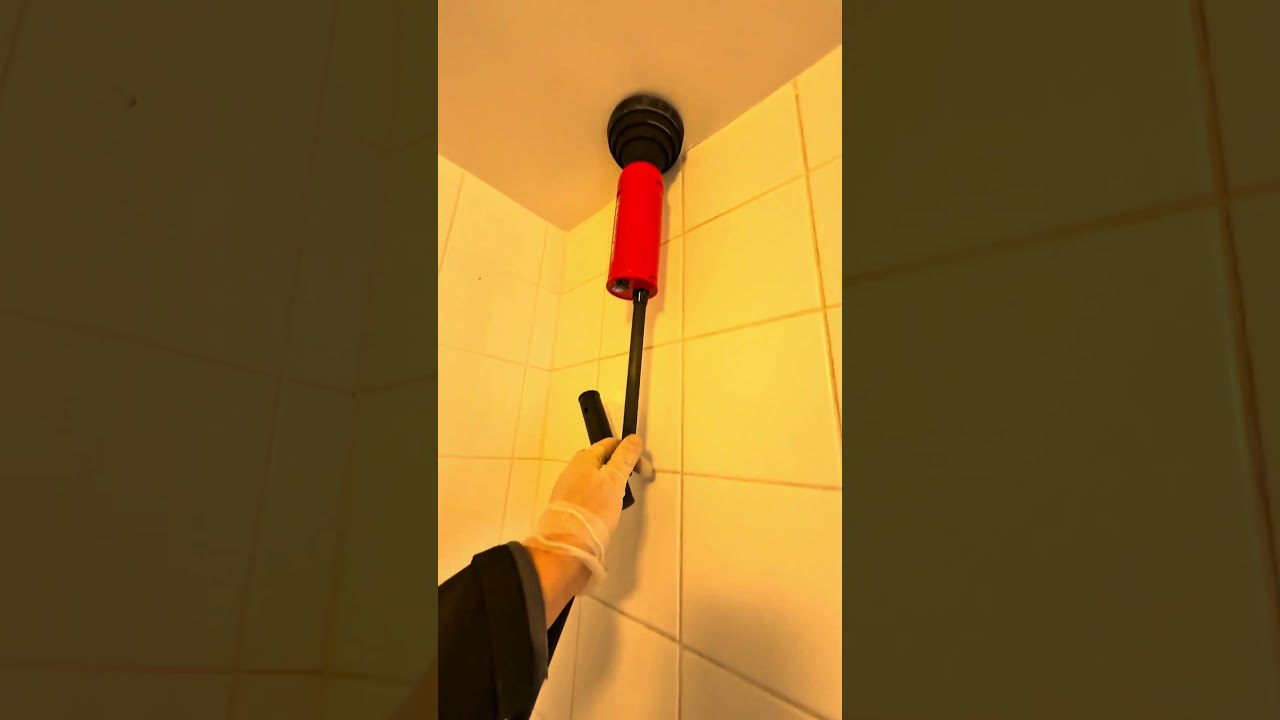
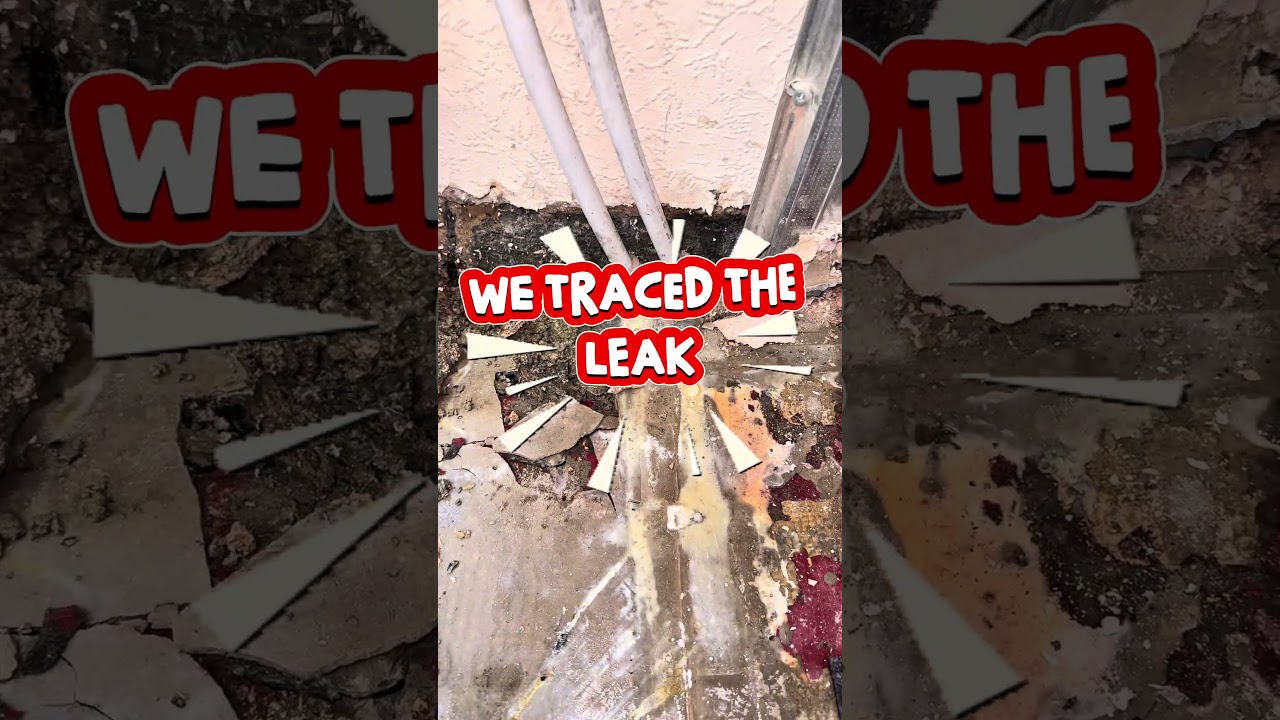
Real Leak Detection Examples From North London Homes



Book an Underground Leak Detection Survey
If you have noticed any of the signs described above and suspect an underground water leak in your supply pipes, heating system, or buried pipework, a professional leak detection survey locates the leak without unnecessary excavation and provides a detailed report for repair planning and insurance purposes.

