


Over 15 years of experience
Professional Leaking Toilet Repairs in London
A toilet leak is not always obvious. You may notice water collecting around the toilet, hear the cistern refilling repeatedly or discover dampness on the ceiling below an upstairs bathroom.
Different symptoms point towards different faults. A toilet that continuously passes water into the bowl may have a defective flush valve seal, while water appearing only when the toilet is flushed can indicate a problem with the flush pipe, pan connector or another waste connection.
At MML Plumbing, we carry out toilet leak repairs for domestic and commercial properties throughout North London and surrounding areas.
Our work includes investigating leaking toilet cisterns, replacing faulty internal components, repairing accessible supply connections and assessing water escaping around the toilet base.
Where a toilet is damaged beyond practical repair, we can discuss suitable replacement options.

Common Toilet Leaks We Repair
Toilet Cistern Leaking Into the Bowl
A toilet that constantly runs or allows water to trickle into the pan can waste a considerable amount of water without leaving a puddle on the bathroom floor.
This often happens when the flush valve seal no longer closes properly, or the inlet valve fails to control the water level.
In many modern UK toilets, the flush valve uses a replaceable sealing washer or diaphragm. Older and alternative designs may use different components.
Our plumber checks the cistern mechanism to determine whether a replacement seal, flush valve or inlet valve is required.
The objective is to stop unwanted water flow and restore normal filling and flushing.
Water Leaking From the Toilet Base
Water collecting around the base of a toilet may indicate a failed pan connector, a leaking flush connection or another plumbing fault.
However, water visible around the toilet base does not automatically mean the pan connector is defective.
A leak from the cistern, supply pipe or nearby connection can run down the outside of the toilet and collect on the floor.
We inspect the accessible fittings and establish when the water appears before recommending a repair.
If the leak occurs only when the toilet is flushed, the waste connections become particularly relevant.
Leaking Toilet Pan Connector
The pan connector provides the sealed connection between the toilet outlet and the soil pipe.
If the connector becomes displaced, damaged or incorrectly fitted, wastewater may escape during flushing.
Depending on the installation, a faulty pan connector can cause water to collect behind the toilet, beneath the pan or around the surrounding floor.
We assess the connection and, where accessible and appropriate, replace the defective component.
Some repairs require removing and refitting the toilet to obtain suitable access.
Toilet Cistern Leaking From the Bottom
Water escaping beneath a close-coupled cistern may be caused by deteriorated seals, loose connections or a failed sealing washer between the cistern and toilet pan.
The connection is commonly sealed using a doughnut washer.
If the seal deteriorates or the cistern is not correctly secured, water may escape when the toilet is flushed.
We examine the cistern-to-pan connection and determine whether the washer, fixing components or another part needs replacing.
A cracked cistern may require replacement rather than a seal repair.
Leaking Toilet Water Supply Pipe
The water supply connection can develop leaks around an isolation valve, flexible hose, compression fitting or cistern inlet connection.
Because this pipework is connected to the pressurised water supply, a defect may leak even when the toilet is not being flushed.
Signs include persistent dripping, moisture around the inlet valve or water collecting behind the toilet.
Our plumber checks the accessible supply connections and repairs or replaces defective fittings where appropriate.
Toilet Overflow and Inlet Valve Problems
A faulty inlet valve can cause the cistern to overfill or refill continuously.
Modern toilets commonly direct excess water into the pan through an internal overflow arrangement.
This can make the problem less obvious because water is lost directly into the toilet bowl.
We inspect the inlet valve, float mechanism and water level to establish why the cistern is not shutting off correctly.
Where adjustment is insufficient, the faulty component may need replacing.
Concealed Toilet Cistern Leak Repair
Concealed cisterns are common in modern London bathrooms, especially where a wall-hung toilet or back-to-wall toilet has been installed.
The cistern and much of the connecting pipework are hidden behind a tiled wall, furniture panel or boxed-in section.
Although concealed systems create a clean bathroom appearance, access can become difficult when a valve, flush pipe or internal seal starts leaking.
Water Leaking Behind a Tiled Toilet Wall
Moisture appearing around a concealed cistern may originate from the inlet connection, flush pipe, internal components or associated plumbing.
Sometimes the first sign is dampness around the boxing, swollen timber, loose tiles or staining on the ceiling below.
We assess the available access points and inspect the accessible components before recommending any opening of the surrounding construction.
Where a suitable service opening is available, some concealed cistern repairs can be completed without removing tiles.
Leaking Flush Pipe Connections
The flush pipe carries water from the cistern into the toilet pan when the toilet is operated.
A defective flush pipe seal or connection can allow water to escape behind the toilet.
Unlike a continuously pressurised supply leak, this problem may occur primarily during flushing.
We check the connection and determine whether the seal, pipe or fitting requires attention.
Where the connection is concealed, the repair method depends on the access available.
Concealed Cistern Inlet and Flush Valve Repairs
Faulty inlet valves and flush valve seals can often be accessed through the cistern’s service opening, depending on the manufacturer’s design.
We assess the mechanism and identify compatible replacement components.
If the cistern is completely enclosed without suitable access, additional work may be necessary to reach the defective part.
We explain these limitations before recommending a repair.
Why Does My Toilet Leak Only When I Flush It?
Water appearing only during flushing is an important diagnostic clue.
It suggests the fault may be associated with the flush water route rather than a continuously pressurised supply connection.
Possible causes include a defective flush pipe seal, leaking cistern-to-pan connection, damaged pan connector or cracked toilet component.
For example, a leak at the pan connector may remain unnoticed while the toilet is not in use but release water each time the pan is flushed.
In an upstairs bathroom, the escaping water can travel beneath flooring and appear on the ceiling below.
We investigate the relevant connections rather than automatically assuming the toilet needs replacing.
Why Customers Trust MML Plumbing


How We Diagnose a Leaking Toilet
We begin by asking what happens when the toilet is used and when the leak first became noticeable.
The timing of the problem helps distinguish between a continuously leaking water supply, a faulty cistern mechanism and water escaping only during flushing.
1. Inspecting the Toilet and Accessible Connections
We examine the toilet pan, cistern, visible water supply connections, isolation valve and accessible waste fittings.
We look for water staining, damaged seals, loose fittings and signs of deterioration.
2. Checking the Cistern Mechanism
Where access is available, we inspect the inlet valve, flush valve, water level and relevant internal seals.
A toilet that continuously refills may require a different repair from a cistern that leaks externally when flushed.
3. Testing the Toilet During Flushing
We operate the toilet under suitable conditions and check whether the leak can be reproduced.
This can help establish whether water is escaping from the flush pipe, cistern-to-pan connection or waste outlet.
4. Investigating Concealed Connections
Where a leak is suspected behind boxing or beneath the floor, we consider the available access and evidence.
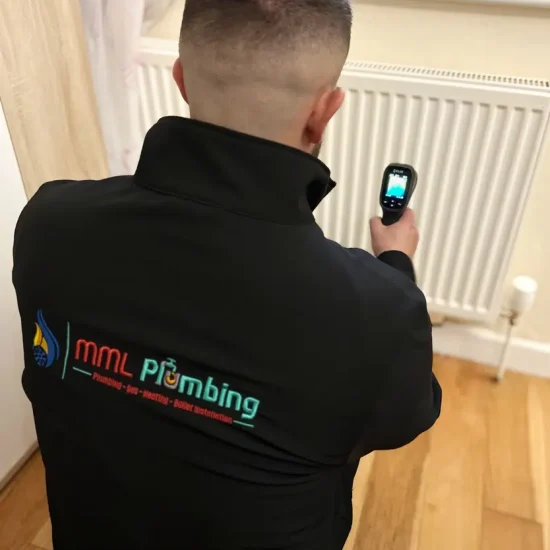
Inspection cameras, moisture measurements or other appropriate methods may assist in more complex cases.
Not every leaking toilet requires specialist equipment. Many faults can be identified through careful inspection and controlled testing.
5. Repairing and Retesting
Once the defective component has been identified, we explain the proposed repair and any necessary replacement parts.
Following the repair, we check the accessible connections and operate the toilet to assess whether the original leak has been resolved.
If further defects or access limitations become apparent, we explain the findings and next steps.
Toilet Cistern Repairs and Replacement Parts
Many toilet leaks can be resolved by replacing an individual component rather than installing an entirely new toilet.
The appropriate repair depends on the age, condition and design of the cistern.
Flush Valve Seal Replacement
A worn flush valve seal can allow water to pass continuously from the cistern into the bowl.
Replacing the defective seal may restore proper operation where the valve body remains serviceable.
Toilet Inlet Valve Replacement
An inlet valve controls the water entering the cistern.
If it fails to close correctly, the toilet may continue filling or allow excess water to pass through the overflow arrangement.
We assess whether adjustment or replacement is appropriate.
Cistern-to-Pan Seal Replacement
A deteriorated doughnut washer can allow water to escape between a close-coupled cistern and toilet pan.
Repair may involve separating the components, replacing the seal and correctly refitting the cistern.
Flush Pipe and Pan Connector Replacement
Damaged or displaced flush pipe seals and pan connectors can cause external leaks during toilet use.
The replacement method depends on the toilet configuration and accessibility.
Damaged Cistern or Toilet Pan
A cracked ceramic cistern or toilet pan may not be suitable for a lasting localised repair.
Where replacement is necessary, we can explain the available options and associated plumbing work.

Domestic Toilet Leak Repairs
A leaking toilet in a family bathroom, en-suite or downstairs WC can affect more than the toilet itself.
Persistent water loss can increase consumption, while external leaks can damage timber flooring, plasterboard and neighbouring rooms.
We repair leaking toilets in houses, flats and residential properties across London.
Common enquiries include water leaking around the base, a cistern that never stops running, dripping inlet connections and leaks affecting the ceiling beneath an upstairs bathroom.
Our focus is to establish the cause and recommend the appropriate plumbing repair.
For other bathroom plumbing faults, see our wider plumbing services in London.
Commercial Toilet Leak Repairs in London
Commercial toilet leaks can create additional problems because the facilities may be used frequently throughout the day.
A defective flush valve, constantly running cistern or leaking connection can waste water and affect the operation of a workplace or managed building.
MML Plumbing provides commercial toilet repair services for suitable business premises, offices and managed properties across London.
We assess accessible toilet plumbing, cistern mechanisms, supply connections and relevant waste fittings.
Where replacement parts or additional access are required, we explain the scope of work so the property manager can make an informed decision.
For buildings with multiple toilets, it is particularly important to identify which fitting is responsible rather than replacing components unnecessarily.
Can a Leaking Toilet Increase Your Water Bill?
Yes. A toilet can waste water continuously without producing an obvious external leak.
One common example is a flush valve that does not seal properly, allowing water to trickle into the bowl.
The cistern then refills to replace the lost water.
Because this happens internally, the bathroom floor may remain completely dry.
A defective inlet valve can produce a similar result if excess water passes into the overflow.
If your water bill has increased unexpectedly, checking whether the toilet is continuously passing water is a useful first step.
Repairing the faulty valve or seal can stop the unnecessary consumption.
Toilet Leak Repair or Complete Toilet Replacement?
A leaking toilet does not always need replacing.
Where the problem is caused by an accessible inlet valve, flush valve seal, flexible supply connection or pan connector, replacing the defective component may be the more practical solution.
However, complete replacement may be appropriate where the ceramic pan or cistern is cracked, essential replacement parts are unavailable, or the installation is significantly deteriorated.
We consider the condition of the toilet and the accessibility of the repair before recommending replacement.
For concealed or wall-hung toilets, the condition of the supporting frame, cistern and connections may also influence the decision.
The aim is to provide a proportionate repair rather than replace an otherwise serviceable toilet unnecessarily.
How Much Does Toilet Leak Repair Cost in London?
The cost of repairing a leaking toilet depends on the fault, required replacement parts and accessibility.
A straightforward repair to an exposed inlet valve or cistern seal is generally less involved than repairing a concealed flush pipe behind a tiled wall.
The main factors affecting the price include the type of toilet, the location of the leak, availability of compatible parts and whether the toilet must be removed to reach the defective connection.
Concealed cisterns and wall-hung toilets can require additional investigation or access work.
Where an accessible repair is possible, we can explain the proposed work and pricing before proceeding.
If the fault requires opening finished surfaces or replacing the toilet, the additional work should be assessed and quoted separately.
For a more accurate estimate, provide photographs of the toilet, the affected area and any visible water damage when requesting a quotation.

Preventing Further Water Damage From a Leaking Toilet
If water is actively escaping from the toilet, avoid repeatedly flushing it until the cause has been assessed.
Where safe and accessible, turn off the toilet’s local isolation valve to stop the incoming water supply.
If water continues escaping from a waste connection during flushing, stop using the toilet.
Dry visible standing water where it is safe to do so and protect nearby flooring or furniture.
If the leak has affected the ceiling below, remember that moisture may remain within the building materials even after the plumbing defect is repaired.
Drying or further assessment may be necessary depending on the extent of the water damage.
Why Choose MML Plumbing for Toilet Leak Repairs?
MML Plumbing is a family-run plumbing company serving North London and surrounding areas.
We bring practical experience in plumbing repairs, water supply connections, bathroom fittings and specialist leak investigation.
Our approach is based on establishing the cause before recommending a repair.
Experienced plumbers: We assess cistern mechanisms, seals, pan connectors, flush pipes and accessible water supply connections.
Careful diagnosis: We distinguish between internal water loss, external leaks and concealed plumbing problems rather than treating every toilet leak as the same fault.
Repair-focused approach: Where a suitable component repair is possible, we consider that option before recommending a complete toilet replacement.
Clear recommendations: We explain the fault, proposed repair and any access limitations.
Established local service: We work with homeowners, landlords and commercial customers throughout London.
Our plumbing qualifications include City & Guilds NVQ Level 2 and Level 3, alongside relevant water-system training and practical experience.
You can also read our customer reviews to learn about customers’ experiences with MML Plumbing.
Toilet Leak Repair Across North London
MML Plumbing provides leaking toilet repairs throughout North London and surrounding London boroughs.
We regularly attend properties in Barnet, Enfield, Haringey, Islington, Camden, Hackney, Brent and Westminster.
Our wider local plumbing coverage includes:
- Plumber in Enfield
- Plumber in Haringey
- Plumber in Barnet
- Plumber in Islington
- Plumber in Camden
- Plumber in Hackney
- Plumber in Brent
- Plumber in Westminster
Where a toilet leak has caused unexplained moisture beneath flooring or within a neighbouring room, our North London leak detection specialists can investigate concealed water loss when appropriate.
For a visible toilet fault, however, a straightforward plumbing repair is often the correct starting point.

Request a Toilet Leak Repair in London
Is your toilet constantly running, leaking around the base or allowing water through the ceiling below?
MML Plumbing can assess the symptoms and help establish the appropriate repair.
When submitting your enquiry, describe whether the leak occurs continuously or only when flushing, and whether the toilet has an exposed or concealed cistern.
Photographs of the toilet, its connections and any visible water damage can help us understand the problem.
Request a toilet leak repair quotation and provide the details of your property and the fault.
Transform Your Home with Expert Plumbing and Heating Services!
Frequently Asked Questions
Question not answered? Ask A Question
Why is my toilet leaking from the base only when I flush it?
Water appearing around the toilet base only during flushing can indicate a defective pan connector, a leaking flush pipe connection or another seal within the toilet’s flush or waste route.
However, water can travel down the outside of the cistern or toilet before collecting on the floor, so the visible puddle does not necessarily identify the defective component.
A plumber should inspect the accessible connections and reproduce the leak under controlled conditions before recommending a repair.
Can a concealed toilet cistern be repaired without removing bathroom tiles?
Some concealed cistern faults can be repaired through an existing access opening, particularly problems involving accessible inlet valves, flush valves and internal seals.
The outcome depends on the cistern design, availability of replacement parts and location of the leak.
If water is escaping from a concealed flush pipe or inaccessible connection behind the wall, additional access may be necessary.
We assess the available access before recommending unnecessary removal of finished surfaces.
Why does my toilet keep running even after the cistern has finished filling?
A toilet that continues running may have a defective flush valve seal or an inlet valve that is not shutting off correctly.
If the flush valve does not seal, water can pass from the cistern into the bowl, causing the inlet valve to refill the lost water.
If the inlet valve fails, the water level may rise, and excess water may pass into the internal overflow.
The correct repair depends on identifying which component is responsible.
Can a leaking upstairs toilet damage the ceiling below without water appearing on the bathroom floor?
Yes. Water escaping from a concealed flush pipe, pan connector or cistern connection can travel beneath bathroom flooring and reach the ceiling below.
The bathroom floor may appear dry because the water is escaping behind or beneath the visible fittings.
Moisture can also remain within the floor structure after an earlier leak has stopped.
The investigation should establish whether the toilet is actively leaking before assuming that the visible ceiling damage identifies the exact source.
How much does it cost to repair a leaking concealed toilet cistern in London?
The cost depends on the defective component, cistern design, replacement part availability and accessibility.
Replacing an accessible flush valve seal or inlet valve may be relatively straightforward.
A leak from a concealed flush pipe, inaccessible supply connection or damaged cistern may require additional work to gain access.
For an accurate quotation, we need to understand the symptoms and the type of installation. Photographs of the flush plate, toilet and surrounding area can help us assess the likely scope.

