


No guessing. No damage. Just clear answers.
What Is Thermal Imaging Leak Detection?
Thermal imaging leak detection is a non-invasive method of locating leaks by using a high-resolution thermal imaging camera to detect infrared radiation and subtle temperature differences on surfaces.
Water leaks often create abnormal heat patterns:
- Warm areas from hot water pipes
- Cold spots from moisture evaporation
- Irregular thermal signatures in concrete floors or ceilings
The thermal camera converts heat variations into a 2D thermogram, allowing our leak detection specialists to identify areas requiring further investigation.
It is important to understand:
A thermal camera detects temperature — not water itself.
That is why professional interpretation and moisture verification are essential.

How Thermal Imaging Works
Every object emits infrared radiation based on its temperature. A thermal imaging camera captures this radiation and displays it as a visual heat map.
During the detection process:
- The affected area is scanned systematically.
- Temperature differences are analysed.
- Suspicious anomalies are isolated.
- Moisture meters are used to verify the presence of water.
- If required, further methods such as tracer gas or acoustic leak detection are introduced.
Thermal imagers can detect temperature variations as small as 0.1°C when using high-resolution equipment with low NETD sensitivity.
This level of precision allows us to identify hidden issues in:
- Concrete floor slabs
- Tiled bathrooms
- Hardwood and laminate flooring
- Ceilings below bathrooms
- Central heating systems
- Hot water pipes
When Is Thermal Imaging Most Effective?
Thermal imaging is particularly effective for:
- Hot water pipe leaks
- Central heating leaks
- Underfloor heating systems
- Copper pipes embedded in concrete
- Boiler pipework with pressure loss
- Moisture intrusion before visible staining appears
Hot water leaks are easier to detect because the escaping heat creates a distinct thermal pattern.
Thermal imaging works best when:
- The system is operating
- There is a temperature contrast
- The inspection is carried out in stable environmental conditions
Evening or overcast inspections can improve reliability, as direct sunlight can distort surface readings.

What Thermal Imaging Can Detect?
A professional thermal inspection can identify:
- Hidden water leaks in walls or floors
- Moisture builds up weeks before visible damage
- Areas at risk of mould growth
- Missing insulation
- Air leaks affecting heating efficiency
- Heat loss in pipework
- Wet patches beneath tiled surfaces
- Temperature irregularities in ceilings
Early detection can reduce restoration costs significantly and prevent structural damage.
Why Thermal Imaging Must Be Combined With Other Methods
Thermal imaging alone does not confirm a leak.
It identifies temperature differences.
At MML Plumbing, we combine thermal imaging with:
- Moisture meters for verification
- Acoustic leak detection for pressurised systems
- Tracer gas testing for pinpoint precision
- Pressure testing when required
Pressure testing can confirm the presence of a leak but may not locate it precisely.
Acoustic detection works well in high-pressure systems but may struggle with small or non-pressurised leaks.
Moisture meters confirm dampness but do not show pipe location.
By combining methods, we move from suspicion to evidence.
Diagnose → Prove → Document → Then repair.


Equipment We Use
We utilise high-resolution thermal imaging cameras capable of detecting very small temperature variations. These cameras are:
- Highly sensitive
- Suitable for concrete and tiled surfaces
- Capable of scanning large areas quickly
- Designed for professional leak detection surveys
All findings are documented with thermal images that can be used for building insurance claims, tracing, and access processes.
Limitations of Thermal Imaging
Thermal imaging is highly effective, but it has limitations:
- It is less effective for cold water leaks without temperature contrast.
- Environmental factors such as ambient temperature can influence results.
- It requires specialist training to interpret correctly.
- It does not show water directly — only temperature variation.
Misinterpretation can lead to unnecessary repairs.
This is why specialist leak detection engineers, not general plumbers, should carry out the survey.

Why Choose MML Plumbing for Thermal Imaging in London?
We are not a general plumbing company.
We are leak detection specialists serving London and North London.
Our approach is evidence-led and insurance-approved.
We provide:
- Non-invasive leak detection
- Professional thermal imaging surveys
- Moisture verification
- Trace and access reporting
- Photographic documentation
- Clear fixed-price structure
- Certified engineers
- Structured investigation methodology
We do not guess.
We prove the leak before anyone repairs it. You can see verified customer feedback and completed London investigations on our Google Business Profile.
Why This Matters for Property Owners
Water damage escalates when leaks remain hidden.
By identifying temperature anomalies early, we can prevent:
- Ceiling collapse
- Structural timber decay
- Mould growth
- Ongoing boiler pressure loss
- Escalating insurance claims
Thermal imaging allows large areas to be scanned, reducing disruption and avoiding unnecessary removal of floors or tiles.
It provides clarity before repair work begins.

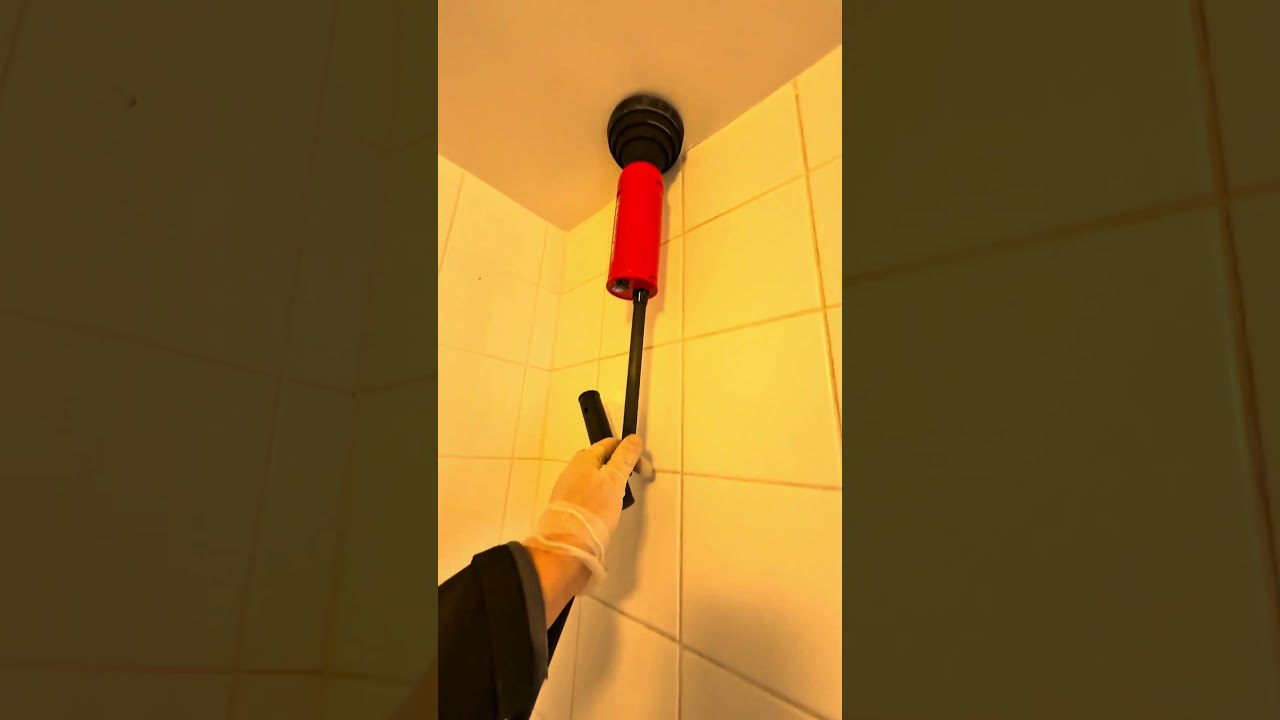
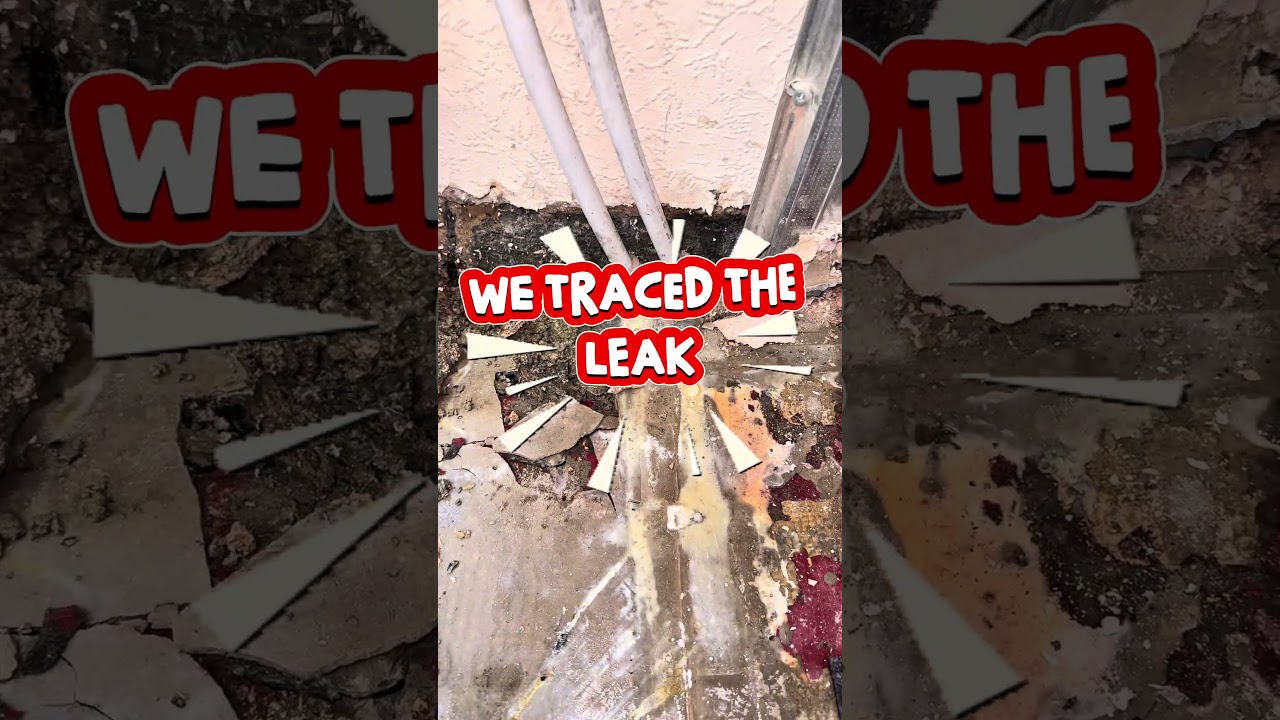
Real Leak Detection Examples From North London Homes



We Find the Leak Before It Finds You – Book Expert Detection Today
If you suspect a hidden water leak, boiler pressure loss, or damp ceiling, we can carry out a professional thermal imaging leak detection survey anywhere in London.
Call 02083550840 to arrange a structured diagnostic visit.
Our engineers will assess, verify and document findings before any repair recommendations are made.
Certainty first. Repair second.

