


No guessing. No damage. Just clear answers.
How Infrared Cameras Work
An infrared camera detects infrared radiation — a type of light that sits just beyond the visible spectrum. Human eyes cannot see infrared light, but infrared cameras can capture it and turn it into a visual image.
Standard infrared cameras work by detecting reflected infrared light. They need some level of ambient light or an infrared illumination source — like an infrared LED — to produce an image. The infrared light bounces off objects in the scene, and the camera’s sensor picks up the reflection and creates a detailed picture.
This is the technology behind most night vision security cameras. They flood the area with infrared light that is invisible to the human eye, and the camera captures the reflected light to produce a clear image in low light conditions. The result looks like a normal photograph, just in greyscale or with a slight green tint.
Infrared cameras of this type use a focal plane array sensor to detect the reflected infrared radiation and convert it into an electrical signal, which the camera then processes into a visible image.
The important point is that these cameras produce images based on reflected light — not heat. They show you what things look like, not what temperature they are.

How Thermal Cameras Work
A thermal camera is a specialised type of infrared camera that detects heat emitted by objects rather than reflected light. Every object gives off infrared radiation based on its temperature — warmer objects give off more, cooler objects give off less. A thermal camera reads this emitted heat and translates it into a colour-coded image where different temperatures appear as different colours.
Thermal cameras use specialised microbolometer sensors that are designed to detect very small differences in heat radiation. They do not need any ambient light or external light source at all. They work in complete darkness, through fog, through smoke, and in rain — because they are reading heat, not light.
The image a thermal camera produces looks very different from a normal photograph. It is a temperature map — showing warm areas in reds, oranges, and yellows, and cool areas in blues and purples. It does not show fine visual details like text or facial features. It shows heat distribution across the scene.
This is the technology used in leak detection, building inspections, search and rescue operations, and industrial monitoring — anywhere the goal is to detect temperature differences rather than capture a detailed visual image.
The Key Differences
The core difference is what each camera detects and how it creates an image.
An infrared camera detects reflected infrared radiation. It needs some light — either ambient or from an infrared illumination source — to work. It produces detailed, high-resolution images that look similar to normal photographs. It shows you what things look like in the dark.
A thermal camera detects emitted heat. It needs no light at all and works in complete darkness. It produces a temperature map rather than a detailed visual image. It shows you how hot or cold things are.
Infrared cameras tend to produce higher resolution images with more visual detail. Thermal cameras produce lower visual resolution but give you information that no standard camera can — the temperature of every surface in the image.
Thermal cameras are generally more expensive than infrared cameras because the microbolometer sensors and processing technology are more complex. Infrared night vision cameras are more affordable and accessible for general security use.
Both detect infrared radiation, which is why the terms get confused. But they detect different types of infrared energy — reflected versus emitted — and they serve very different purposes.

Which one is used for leak detection?
For leak detection, the camera used is always a thermal imaging camera. The reason is straightforward: finding a hidden leak means detecting temperature differences on surfaces — and only a thermal camera does that.
When water escapes from a pipe behind a wall or under a floor, it changes the temperature of the surrounding material. Hot water warms it. Cold water cools it. Moisture draws heat away through evaporation. A thermal camera reads these temperature variations on the surface and reveals where the leak is affecting the building fabric.
A standard infrared night vision camera would be useless for this. It captures reflected light, which tells you nothing about the temperature of a wall or floor. It would simply show you what the room looks like in the dark — no temperature data, no heat patterns, no way to find a leak.
This is why professional leak detection engineers use dedicated thermal imaging cameras with high sensitivity sensors — capable of detecting temperature differences as small as 0.04°C — rather than general infrared cameras designed for security or photography.
Can a Thermal Camera Do What an Infrared Camera Does?
Not really — and the reverse is also true. They are built for different jobs.
A thermal camera does not produce the kind of detailed visual image you would need for security surveillance, license plate recognition, or facial identification. It shows heat, not fine detail. In fact, thermal imaging systems detect the presence of people without revealing identifiable facial features, which is why they are sometimes preferred in settings where privacy rules apply.
An infrared security camera produces sharp visual images, but cannot tell you the temperature of anything in the scene. It cannot find a leak, identify insulation gaps, detect moisture behind a wall, or spot an overheating electrical connection.
For property-related applications — leak detection, building inspections, energy efficiency surveys, identifying heat loss, and detecting moisture ingress — a thermal camera is the right tool. For security, night vision surveillance, and monitoring in low light conditions, an infrared camera is usually the better choice.


Thermal Cameras in Challenging Conditions
One significant advantage of thermal cameras over standard infrared cameras is their performance in difficult environmental conditions. Because thermal cameras detect emitted heat rather than reflected light, they are far less affected by fog, smoke, rain, and dust.
An infrared camera that relies on reflected light can struggle in fog because the water droplets scatter the light before it reaches the camera. A thermal camera reads heat directly from the object, so fog has much less impact on the image.
This is why thermal cameras are used in search and rescue operations, firefighting, and industrial monitoring — environments where visibility is poor but detecting heat signatures is critical.
For leak detection in buildings, this means a thermal camera works reliably regardless of lighting conditions inside the property. It does not matter whether the room is bright or dark; the camera reads surface temperature just the same.
What About Cost?
Thermal cameras are generally more expensive than standard infrared cameras. A professional-grade thermal imaging camera suitable for leak detection and building inspections can cost several thousand pounds, depending on resolution and sensitivity.
Consumer-grade infrared cameras and thermal attachments for smartphones are available at lower price points, but they typically lack the sensitivity and resolution needed for accurate leak detection. A professional camera with a sensitivity below 50mK and a resolution of at least 160 x 120 pixels is considered the minimum for reliable building surveys.
This is one of the reasons hiring a specialist with professional equipment produces better results than buying a low-end camera and trying to do it yourself. The camera is only part of the equation — the engineer’s training, experience, and supporting tools are what turn a thermal image into an accurate diagnosis.

Summary: Infrared vs thermal at a glance
Infrared cameras detect reflected infrared light, need some ambient light or illumination, produce detailed visual images, and are mainly used for security, night vision, and surveillance.
Thermal cameras detect emitted heat, work in complete darkness, produce temperature maps rather than visual images, and are used for leak detection, building inspections, energy surveys, and industrial monitoring.
For finding hidden leaks in a property, a thermal imaging camera is the only option that works — because the job requires detecting temperature differences, not capturing a visual picture.
Before booking a survey, review our thermal imaging leak detection FAQ hub to see how we locate leaks without unnecessary damage.
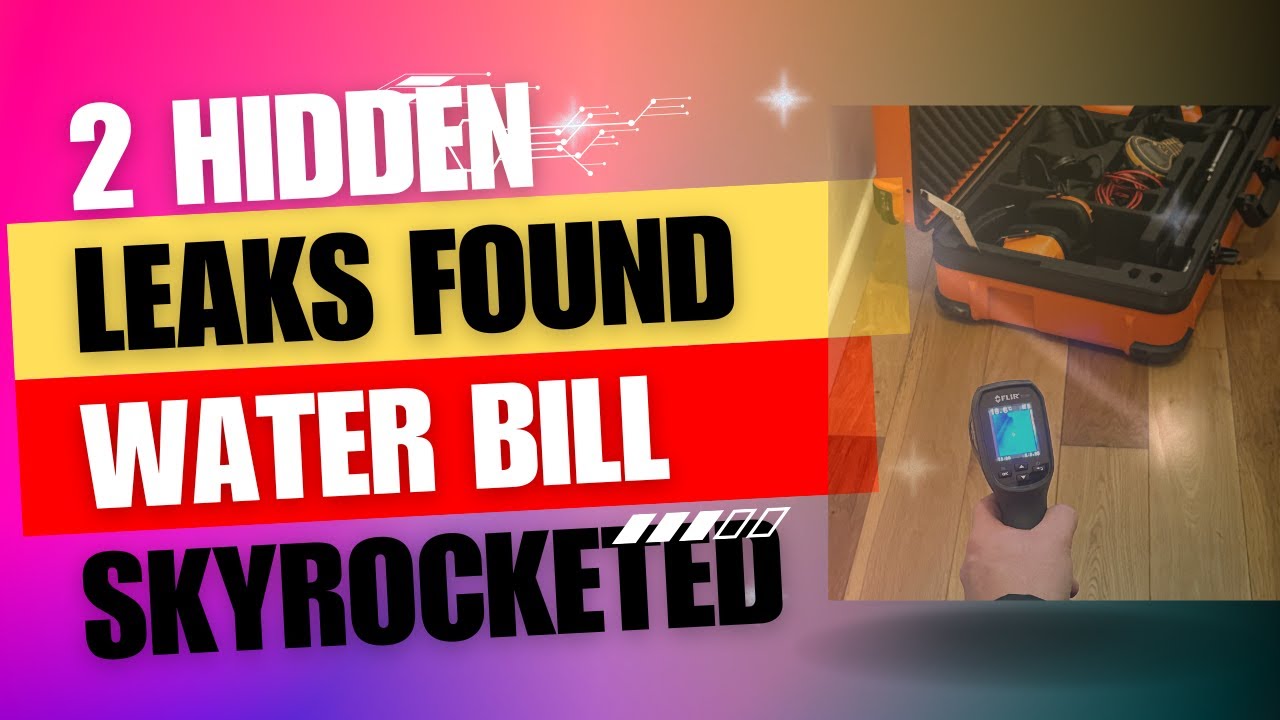
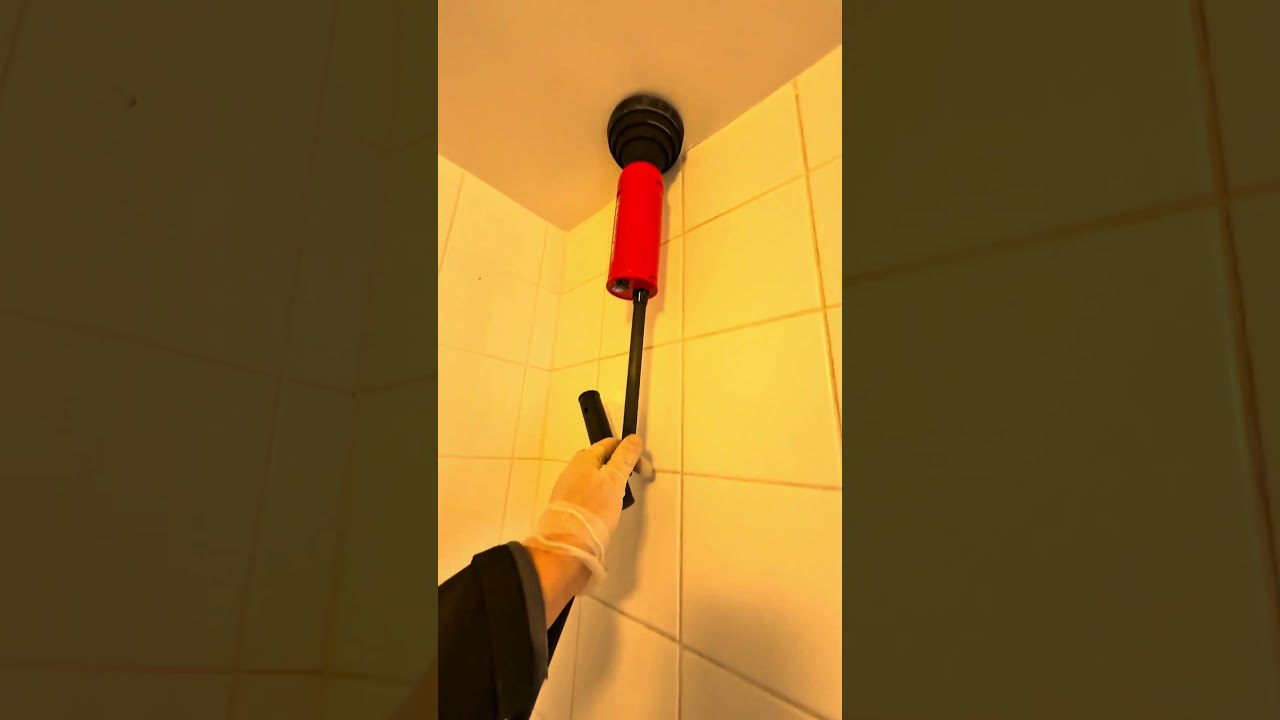
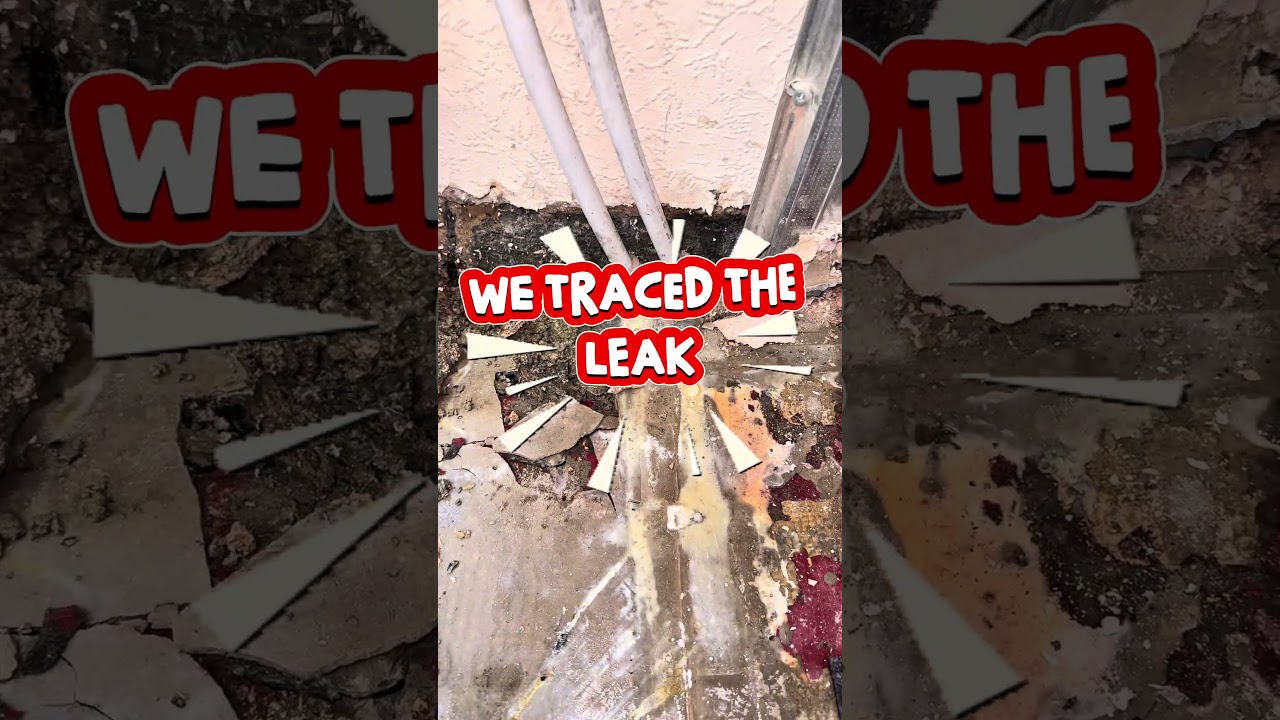
Real Leak Detection Examples From North London Homes

Book a Thermal Imaging Leak Detection Survey
If you suspect a hidden leak and want answers without any disruption to your property, a professional thermal imaging survey can locate the problem quickly and accurately.

