


No guessing. No damage. Just clear answers.
How Accurate Is Thermal Imaging on Its Own?
Thermal imaging cameras detect infrared radiation from surfaces and turn temperature differences into a colour image. When water escapes from a pipe, it changes the temperature of the surrounding material — and the camera picks up that change on the surface.
In the hands of a trained engineer using professional equipment, thermal imaging achieves 85 to 95 per cent accuracy for locating water leaks and identifying energy losses. In ideal conditions — strong temperature difference between the leak and the surroundings, suitable surface material, and no interference from sunlight or other heat sources — the camera can pinpoint a leak to within a few inches.
Thermal imaging is particularly effective for detecting hot water pipe leaks and underfloor heating leaks, because the escaping hot water creates a strong temperature contrast against the cooler building material. The bigger the temperature difference, the clearer the image and the more accurate the result.
For cold water leaks, accuracy is still good but depends more on the engineer’s experience. Cold water creates a smaller temperature difference, and the camera needs to detect subtle temperature changes caused by evaporation, cooling the surface. A skilled engineer adjusts the camera’s sensitivity and reads these patterns accurately — but it takes more care than detecting a hot water leak.

What Affects the Accuracy of Thermal Leak Detection?
Several factors influence how accurately a thermal camera can locate a leak. Understanding these helps explain why professional interpretation matters so much.
Temperature difference is the most important factor. Thermal imaging needs a meaningful gap between the temperature of the leaking water and the surrounding material. For hot water leaks, this gap is naturally large, and the camera reads it easily. For cold water leaks or in warm weather when the ambient temperature is close to mains water temperature, the gap is smaller, and detection is harder.
For insulation surveys, a temperature difference of at least 10 to 20°C between inside and outside is ideal. For leak detection, the heating system should be running for an extended period before the survey so the pipes are fully heated, and the contrast is as strong as possible.
Surface material affects how quickly heat transfers to the outer face. Tiles, plasterboard, and timber transfer heat well and give clear results. Thick concrete is slower — the thermal signature takes longer to appear and may be less sharp. Thick carpets insulate the floor and need to be pulled back before scanning.
Surface emissivity matters. Most building materials — plaster, concrete, wood, ceramic — have high emissivity and work well with standard camera settings. Shiny or reflective surfaces like polished metal or glass reflect heat from other sources rather than showing their own surface temperature. This can lead to false readings if the camera is not adjusted for the material.
Environmental factors like rain, high humidity, and wind can affect infrared radiation and lower image quality. Direct sunlight warming a wall can create hot spots that look like heat sources behind it. This is why professional engineers choose the right time of day and conditions for the survey — and why the optimal thermal survey season in the UK is during the colder months, typically from November to March.
Depth of the leak plays a role. Standard thermal imaging is most effective for pipes within the first metre or so of building material. Pipes buried very deep in heavy concrete or wrapped in thick insulation may not transfer enough heat to the surface for the camera to detect reliably.
How Accurate Is Acoustic Leak Detection?
Acoustic leak detection uses specialised listening devices to pick up the sound of water escaping from a pressurised pipe. Highly sensitive microphones amplify the sound and allow the engineer to triangulate the exact location.
This method is very accurate — often pinpointing the leak to within a few centimetres. It works especially well on pressurised systems, underground leaks, and cold water leaks, where thermal imaging may struggle due to low temperature contrast.
Acoustic detection can be affected by background noise — traffic, appliances, other water sources in the property — and by the pipe material. Plastic pipes transmit sound differently from copper, which can change how the leak sounds and how far the sound travels.
Acoustic detection is most effective when used alongside thermal imaging. The thermal camera identifies the area of concern, and the acoustic equipment narrows it down to the precise point.

How accurate is trace gas detection?
Tracer gas detection is one of the most accurate methods available for locating hidden water leaks. It involves draining the affected section of pipework and introducing a safe, non-toxic gas into the system. The gas escapes through the same point as the water, rises through the building material, and a sensor at the surface detects exactly where it is coming out.
This method can pinpoint the exact location of a leak with exceptional precision, regardless of water temperature, pipe depth, or surface material. It works in situations where both thermal imaging and acoustic detection are inconclusive — for example, a cold water leak deep in a concrete slab with no significant temperature difference and no audible sound.
Tracer gas detection requires specialist equipment and training, which is why it is typically used by dedicated leak detection engineers rather than general plumbers.
How Do These Methods Compare to Traditional Methods?
Traditional leak detection often means invasive investigation — cutting into walls, lifting floors, or excavating outside to physically expose pipes and look for the source. This approach is slow, disruptive, expensive, and sometimes causes more damage than the leak itself.
Modern non-invasive methods — thermal imaging, acoustic detection, and tracer gas — are faster, more accurate, and cause minimal disruption to the property. They locate the leak before any opening up is done, which means repair work is targeted to the smallest possible area.
The difference in cost and disruption is significant. A thermal imaging survey can scan an entire property in under an hour. Acoustic equipment can pinpoint a leak in minutes. Tracer gas confirms the exact spot. Compare that to days of exploratory demolition, and the value of modern detection methods is clear.
Why Combining Methods Gives the Best Results
No single detection method is perfect in every situation. Each one has strengths and limitations, and the most accurate results come from using them together.
Thermal imaging gives the fastest visual overview. It highlights areas where temperature differences suggest a leak, moisture, or insulation fault. It is the ideal starting point for any investigation.
Moisture meters verify whether a thermal anomaly is caused by actual dampness. If the thermal camera shows a cold spot but the moisture meter reads dry, the cause may be a draught or insulation gap rather than a leak. When thermal imaging and moisture meter results align, accuracy can exceed 99 per cent.
Acoustic listening devices confirm the sound of escaping water and narrow down the exact location. They are especially useful for pressurised systems and underground leaks.
Tracer gas provides the highest precision when other methods cannot give a definitive answer. It works regardless of temperature, depth, or material.
Pressure testing confirms whether a system is actually losing water. It does not locate the leak, but it tells the engineer whether further investigation is needed.
At MML Plumbing, every leak detection survey across London uses this multi-method approach. We start with thermal imaging to identify the area of concern, verify with a moisture meter, and use acoustic or tracer gas equipment where needed to pinpoint the exact location. This layered process gives the highest accuracy and ensures repair work is based on evidence — not guesswork.


Why Professional Leak Detection Experience Matters
A thermal camera is only as accurate as the person using it. Professional-grade equipment in untrained hands can produce images that appear convincing but lead to incorrect conclusions.
Common mistakes include confusing a normal heating pipe route for a leak, missing a cold-water leak because the temperature difference was too subtle, failing to account for solar loading or surface emissivity, and failing to verify findings with a moisture meter before recommending repairs.
An experienced leak detection engineer knows how different buildings behave thermally, where pipes are typically routed, what a genuine leak looks like compared to normal building behaviour, and when to switch from one method to another. That experience is what turns an 85 per cent accuracy rate into a near-certain diagnosis.
MML Plumbing has over 15 years of experience carrying out leak detection across London — from Victorian terraces in Camden and Islington to modern builds in Barnet, Enfield, and Finchley. Every property is different, and knowing how to read the results in context is what makes the difference between finding the leak the first time and chasing the wrong anomaly.
Spotting a Leak Early Saves Money
The longer a leak goes undetected, the more water escapes and seeps into walls, floors, and ceilings. This leads to dampness, mould growth, structural damage, and increased water bills. What starts as a small, fixable problem becomes a major renovation if left too long.
Thermal cameras can detect hidden water leaks six to eight weeks before they become visible. That early detection window is the difference between a minor targeted repair and a large-scale remediation project.
Investing in accurate thermal image leak detection is one of the most cost-effective decisions a homeowner or landlord can make. The survey cost is a fraction of what untreated water damage, mould removal, and structural repair would cost later.
If you want to understand how thermal imaging finds hidden leaks without damage, explore our thermal imaging leak detection FAQs in London for clear, expert answers.

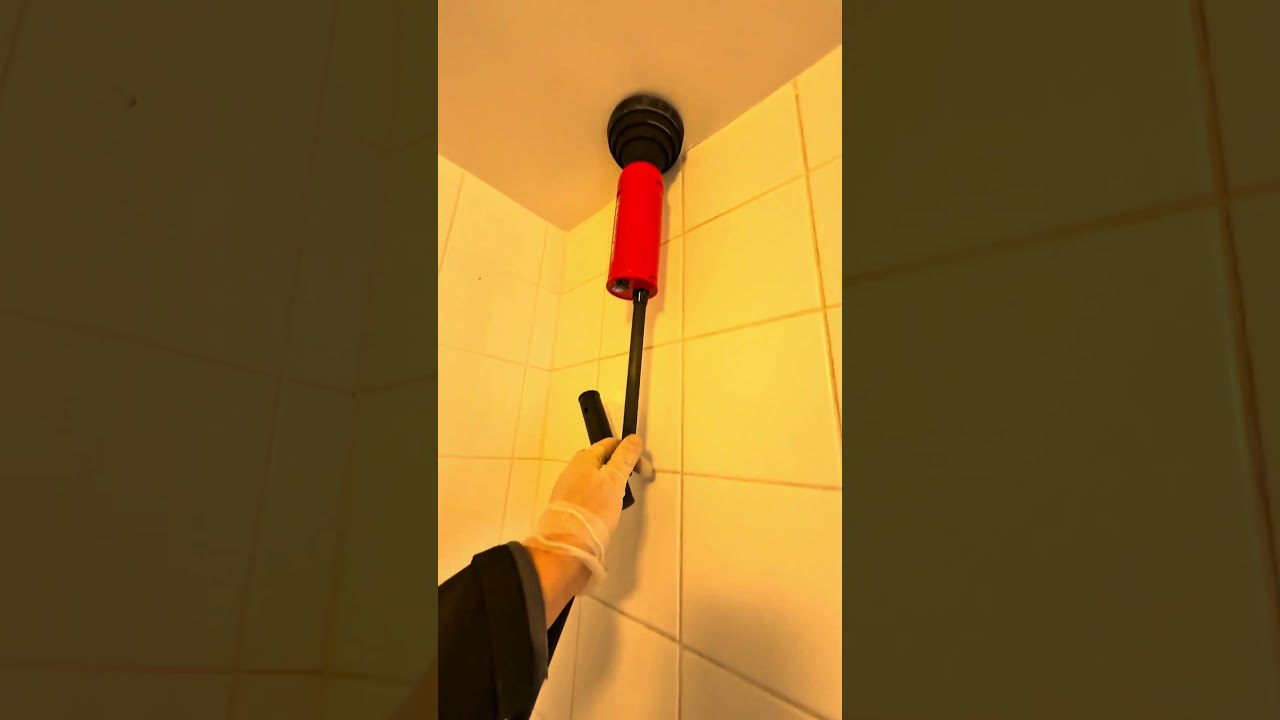
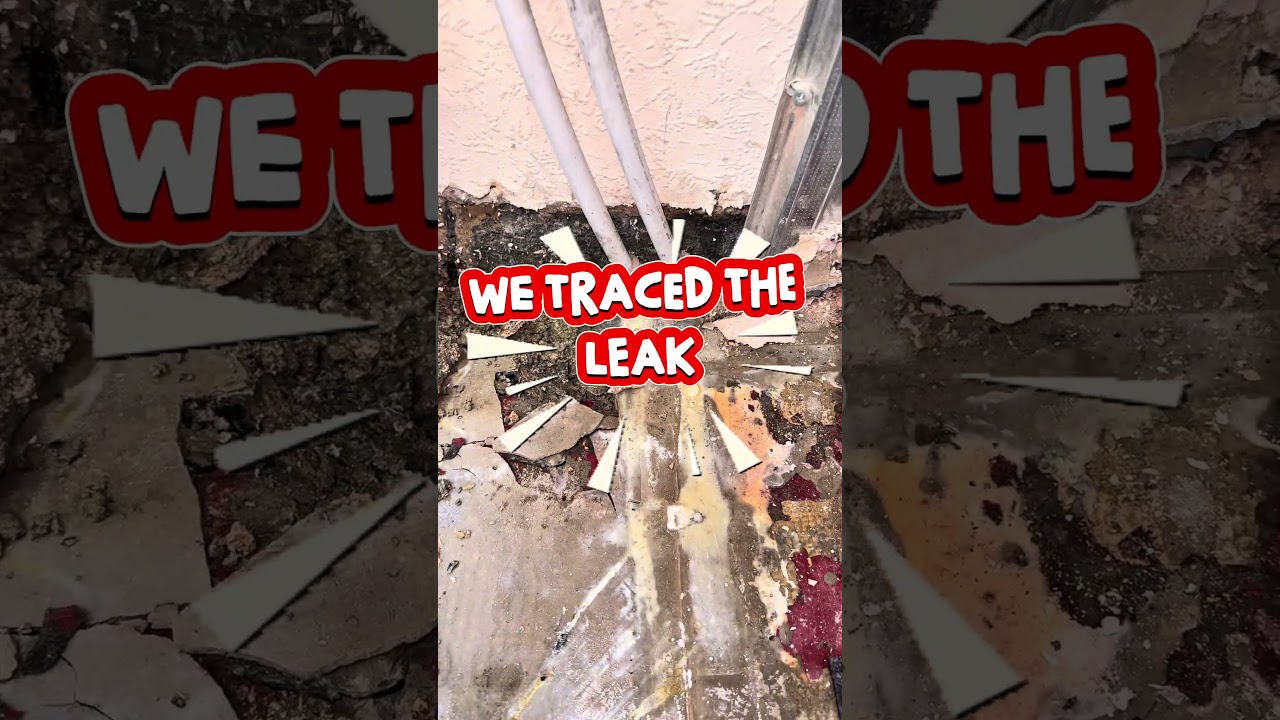
Real Leak Detection Examples From North London Homes



Book an Accurate Leak Detection Survey
If you suspect a hidden leak — a drop in boiler pressure, damp patches, rising water bills, or visible signs of moisture — a professional multi-method leak detection survey gives you clear, accurate answers with minimal disruption.
MML Plumbing provides leak detection across North London and surrounding areas, including Barnet, Finchley, Enfield, Haringey, Camden, Islington, Hackney, Brent, Westminster, Kensington and Chelsea, and Hertfordshire. Every survey combines thermal imaging, moisture meters, acoustic detection, and tracer gas to locate your leak accurately — often to within centimetres.

