


What Does Planned Plumbing Maintenance Include?
Our planned maintenance inspections can be arranged around a single property, selected fixtures or agreed communal areas. Depending on the scope, we may inspect:
- Visible hot and cold water pipes, joints, supports and isolation valves
- Taps, basins, toilets, cisterns and shower connections
- Kitchen sink traps, accessible waste pipes and appliance hoses
- Signs of corrosion, staining, water leaks or previously repaired joints
- Water pressure and water flow where there is a reported concern
- Accessible storage tanks, hot water cylinders and associated valves
- Radiator connections, wet underfloor heating manifolds and central heating pipework
- Areas where previous plumbing issues have been reported
We agree what is included before the appointment. This planned plumbing service does not automatically involve dismantling fittings, opening walls, lifting floors, specialist leak detection or testing every concealed pipe.
Annual Plumbing Inspections and Preventative Checks
How Often Should Plumbing Be Inspected?
An annual review can be a practical starting point for many properties. Older installations, heavily used washrooms and buildings with recurring faults may need more frequent attention. Some equipment has its own manufacturer-specified servicing interval, which should be considered separately.
Regular maintenance helps identify loose connections, worn seals, stiff valves and early signs of corrosion. Finding small leaks may reduce wasted water and limit further damage, but no inspection guarantees that a pipe or fitting will not fail later.
Our maintenance team considers the condition and use of the property when recommending a schedule for our plumbing services. We do not sell the same checklist as a complete solution for every building.
What Happens During a Maintenance Visit?
Before a plumbing service visit, we discuss the property’s plumbing needs, previous repairs and any recurring symptoms. A professional plumber then reviews the agreed accessible components, checks their visible condition and, where appropriate, tests selected fixtures or valves.
We distinguish between an item that is functioning, one that should be monitored and a defect that requires a separate repair. Where further testing or access is necessary, we explain why before proposing additional work.
After the visit, we explain our observations and recommendations. If a formal written inspection record is required, its content and scope should be agreed in advance.

Pipework, Isolation Valves and Water Supply
Checking Pipes and Joints
Exposed copper and plastic pipes can show signs of movement, poor support, staining or wear. Corroded pipes and broken pipes may need repair or replacement depending on their condition and the surrounding installation. We also consider whether earlier alterations have left awkward joints or inaccessible connections.
A working isolation valve can make future plumbing repairs more straightforward. Where appropriate, we check accessible valves and identify those that are seized, leaking or unsuitable for continued use.
Pressure, Flow and Winter Protection
Changes in water pressure can result from restrictions, valve faults or issues affecting the wider supply. We consider which outlets are affected and whether the symptoms occur at one fixture or throughout the property. A pressure reading alone does not establish the cause.
Exposed pipes in unheated spaces may benefit from suitable insulation. Insulation reduces freezing risk but cannot guarantee protection in all conditions. If a burst pipe has occurred, the damaged section needs assessment; replacing one joint without considering the surrounding pipework may leave another weakness.
Maintenance of Toilets, Taps and Showers
Toilets and Cisterns
A running cistern can waste water without leaving an obvious puddle. We check accessible inlet connections, flush mechanisms and signs of seepage around the cistern or toilet bowl. Worn seals and faulty fill valves may require replacement.
If an inspection identifies a specific defect, our toilet leak repair service explains the separate repair work available.
Taps, Basins and Shower Fittings
Leaking taps, stiff mixers, damaged flexible hoses and loose connections are common maintenance concerns. We look for drips, movement, staining and deterioration around accessible fittings. A worn cartridge or seal may be repairable, while a damaged body or unsuitable connection may need replacement.
We also consider reported changes in shower performance, although a full pressure-and-flow investigation is a separate diagnostic task.
Kitchens and Utility Rooms
Our kitchen plumbing services include checks of sink traps, visible waste pipes, appliance isolation valves and the connections serving washing machines and dishwashers. We look for drips inside cabinets, poorly supported hoses and signs of leakage around appliance fittings.
We do not include underground drainage surveys or sewer clearance in a routine maintenance visit.

Hot Water Cylinder and Water Storage Maintenance
Vented and Unvented Cylinders
Hot water cylinders have different inspection and servicing requirements depending on their design. For suitable installations, our work can include checking accessible pipe connections, valves, visible discharge arrangements and signs of leakage or deterioration.
Some unvented cylinders require periodic servicing by a suitably competent person in accordance with the manufacturer’s instructions. A basic visual inspection is not a substitute for that service. We confirm the cylinder type and agreed work before attending.
If the hot water supply is inconsistent, the cause may involve a valve, control, circulation arrangement or another component. We assess the symptoms rather than assuming the cylinder itself needs replacing.
Cold-Water Storage Tanks
Where accessible, we can visually inspect the tank’s condition, lid, insulation, overflow and connected pipework. Evidence of contamination or concerns about water hygiene may require a separate specialist assessment. A general plumbing inspection does not certify water quality.
Water-Side Central Heating Maintenance
Our maintenance work includes suitable water-carrying parts of central heating systems: radiators, valves, pumps, accessible distribution pipework and wet underfloor heating manifolds.
Radiators and Valves
We check agreed radiator connections for visible leaks, corrosion and valve defects. If a radiator is not warming properly, the heating system may require separate diagnosis of circulation, balancing or controls. A maintenance inspection does not establish the cause of every performance problem.
Underfloor Heating Manifolds and Pipework
Accessible manifold connections, valves and actuators can be reviewed for visible deterioration or leakage. Where a circuit is not performing as expected, we explain whether a targeted investigation is more appropriate than routine maintenance.
Our water-side plumbing services do not include combustion appliance servicing.

Plumbing Maintenance for Landlords and Commercial Premises
Our experienced plumbers work with homeowners, landlords and managing agents as well as suitable offices, shops and communal areas. Our preventative maintenance visits can help coordinate checks of shared washrooms, accessible supply pipes, valves and fixtures without waiting for each component to fail.
For a managed building, our planned plumbing services consider access arrangements, whether a supply serves multiple occupiers and whether isolation must be agreed in advance. A visit can focus on a defined set of assets rather than claiming to inspect an entire building.
Our commercial plumbing services page explains the broader work available for business premises.
Keeping Useful Maintenance Records
Recording repeated faults, completed work and components that need monitoring helps owners make better decisions. It may also help distinguish a recurring issue from a new defect. We can discuss the level of documentation needed for the property and the agreed job.
A plumbing inspection is not a statutory compliance certificate, a water hygiene risk assessment or proof that concealed plumbing systems are defect-free.
When an Inspection Finds a Defect
Maintenance sometimes identifies work that should be quoted separately: a worn isolation valve, a leaking joint, a damaged toilet fitting or a section of pipe that needs replacement. We explain the options and any access or material requirements before further work is agreed.
Our plumbing repairs in London page covers specific accessible faults, including a burst pipe and other plumbing problems. If moisture appears beneath a floor or behind a wall with no visible source, a separate specialist leak detection investigation may be needed. That investigation is not automatically part of a maintenance appointment.
For new pipework and refurbishment projects, explore our plumbing installation services. For a broader overview of the work we undertake, visit our plumbing services in London


Why Choose MML Plumbing for Planned Maintenance?
Experience and Appropriate Qualifications
MML Plumbing is a family-run company with more than 15 years of industry experience. Our technical background includes City & Guilds plumbing qualifications and G3 competence for suitable unvented hot water work. Our experienced plumbers focus on the installation in front of them, not assumptions based on the property’s age.
Clear Findings, Practical Recommendations
We explain which components have been checked, what visible defects were found and which matters need further investigation. We aim to retain serviceable parts where appropriate and avoid recommending replacements without a clear reason.
Work Agreed Before It Starts
We confirm the inspection scope and discuss additional work before proceeding. When repairs are undertaken, we check the relevant completed work. Any applicable workmanship warranty relates to the agreed repair, not the future condition of the entire plumbing system.
We hold relevant qualifications in:
Professional Qualifications, Certifications & Specialist Technical Expertise
Plumbing & Water Regulations Qualifications
- City & Guilds NVQ Level 2 in Plumbing
- NVQ Level 3 Diploma in Plumbing & Heating
- WaterSafe Approved Contractor
- Water Regulations and WRAS-Related Training
- UKC-WR01 – Water Supply (Water Fittings) Regulations 1999 & Scottish Water Byelaws 2000
- G3 – Unvented Hot Water Systems Qualification
- Hot Water Systems and Safety (HWSS)
- Vented & Unvented Hot Water Cylinder Installation
- Water Supply and Utility Plumbing
- Environment Agency Registered Waste Carrier
Specialist Leak Detection Training & Certifications
- ITC Certified Thermal Imaging Diagnostics
- IICRC Certified – Water Damage Inspection Standards
- Acoustic Leak Detection – Pressurised and Underground Pipework
- Hydrogen Tracer Gas Leak Detection – Non-Invasive Investigation
- Thermal Imaging Leak Detection
- Moisture Mapping & Damp Investigation
- Borescope and Endoscopic Pipework Inspection
- Water Pressure and Flow Testing
- Plumbing System Pressure Testing and Isolation
- Tracer Dye Testing and Water Ingress Investigation
- Drainage Smoke Testing
- Trace & Access Leak Investigations
- Detailed Leak Detection Reports with Photographic Evidence
Plumbing & Heating System Technical Expertise
- Domestic and Commercial Plumbing Systems
- Hot and Cold Water Supply Installations
- Concealed and Underground Water Pipe Investigations
- Mains Water Supply Leak Detection
- Central Heating Pipework and Radiator Systems
- Wet Underfloor Heating Leak Detection and Diagnostics
- Heating System Pressure Loss Investigations
- Hot Water Cylinder and Associated Pipework
- Water Pumps, Valves and Pressure Problems
- Plumbing Repairs, Installations and Planned Maintenance
- Pre-Purchase Plumbing and Water System Surveys
- Water Damage and Moisture Investigations
Professional Experience
With over 15 years of practical industry experience, MML Plumbing combines professional plumbing qualifications with specialist leak detection techniques and evidence-based investigations.
Our approach focuses on identifying the source of plumbing problems accurately, minimising unnecessary disruption and providing clear findings and practical recommendations for homeowners, landlords, managing agents and commercial clients.
What people love about us


Pipe Inspections and Maintenance
Over time, pipes can develop corrosion, leaks, or blockages. It is important to inspect the sump pump alongside other essential plumbing components such as water heaters and toilets during pipe inspections. Our advanced pipe inspection services utilize cutting-edge technology to detect issues early, allowing for timely repairs or replacements of broken pipes before they escalate into larger problems.
Fixture Maintenance
Regular maintenance of fixtures such as sinks, toilets, and showers is vital for optimal performance. We check for leaks and wear and tear, making necessary repairs or replacements to keep the water flow and your fixtures in excellent condition.
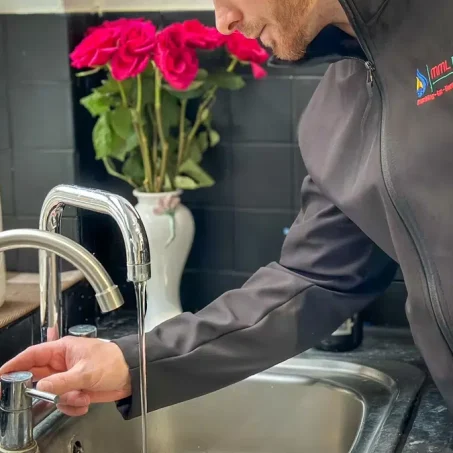
Transform Your Home with Expert Plumbing and Heating Services!
Frequently Asked Questions About Plumbing Maintenance in London
Question not answered? Ask A Question
How often should plumbing maintenance be carried out?
For many homes and rental properties, an annual plumbing inspection is a sensible starting point. However, the ideal frequency depends on the property’s age, pipework condition, water usage and history of plumbing problems.
Older properties, buildings with complex water systems and heavily used commercial premises may benefit from more frequent checks. MML Plumbing can recommend a suitable inspection schedule based on the condition and requirements of your installation.
Can regular plumbing maintenance help prevent leaks and burst pipes?
Regular plumbing maintenance can help reduce the risk of unexpected leaks, water damage and costly repairs by identifying potential problems before they become more serious.
During an inspection, we can check accessible pipework, joints, isolation valves and fittings for signs of corrosion, deterioration, leakage or inadequate support. We can also identify exposed pipework that may require additional protection against freezing.
Although no inspection can guarantee that a pipe will never fail, preventative maintenance provides an opportunity to address visible risks before they cause significant damage.
What are the warning signs that my plumbing system needs maintenance?
Common warning signs include dripping taps, running toilets, unexplained changes in water pressure, slow-draining fixtures, unusual pipe noises, damp patches and small leaks beneath sinks or around plumbing connections.
Other signs include discoloured water, stiff isolation valves, recurring plumbing faults and unexpected increases in water consumption.
Even minor symptoms can indicate developing problems. Having them assessed early can help prevent further deterioration and unnecessary repair costs.
Are plumbing repairs included in a maintenance inspection?
Our planned plumbing maintenance inspections focus on assessing accessible plumbing installations, identifying existing defects and highlighting components that may require attention.
Where minor repairs are appropriate, we can discuss the available options and whether the work can be completed during the visit.
More extensive repairs, replacement parts, concealed pipework investigations or additional access requirements may require a separate quotation. We explain the findings and agree on any additional work before proceeding.
Can you inspect hot water cylinders, radiators and central heating pipework?
Yes. MML Plumbing provides maintenance assessments for suitable domestic and commercial hot water and water-based heating systems.
Depending on the installation and agreed scope, we can inspect accessible hot water cylinder connections, associated valves, radiators, heating pipework, circulation components and wet underfloor heating manifolds.
We can also investigate visible leaks, pressure-related problems and signs of deterioration. Where equipment requires specific manufacturer-prescribed servicing or additional specialist procedures, these are assessed and agreed separately.
Do you provide plumbing maintenance for landlords and commercial properties?
Yes. We provide planned plumbing maintenance for landlords, letting agents, property managers and suitable commercial premises across London and surrounding service areas.
Our inspections can cover accessible water supply pipework, toilets, taps, valves, washrooms, kitchen plumbing and relevant hot water installations.
For managed buildings, we can agree on the inspection scope, access arrangements and any necessary water isolation in advance. Following the assessment, we explain identified defects and recommend appropriate maintenance or repairs.
How do I arrange a professional plumbing maintenance inspection in London?
Arranging a plumbing maintenance inspection with MML Plumbing is straightforward.
Tell us about your property, the plumbing systems you would like inspected and any recurring problems or previous repairs. Photographs, existing maintenance records or inspection reports can help us understand your requirements.
We will review the information, advise on the appropriate inspection scope and provide a clear quotation before arranging the work.

