
No guessing. No damage. Just clear answers.
The First Few Hours — Water Starts Soaking In
The moment water escapes from a pipe, a joint, a seal, or a roof defect, it begins looking for somewhere to go. Gravity pulls it downward. Capillary action draws it sideways and even upward through porous materials. Airflow carries moisture vapour into surrounding spaces.
Within the first few hours, water starts soaking into whatever building materials it contacts. Plasterboard, timber, insulation, carpet, screed, and soft brick all absorb water readily. The surface may still look dry at this stage — the moisture is being pulled into the material rather than sitting on top of it.
If the leak is from a pressurised pipe — a mains supply line or a central heating system — the water escapes faster and spreads further in a shorter time. Higher-pressure pipes create faster, wider-reaching leaks than slow drips from a waste pipe or a failed seal.
At this point, the damage is still minimal. If the leak is found and stopped within hours, and the affected area is dried out promptly, the recovery is usually straightforward — no structural damage, no mould, no major repair bill.

24 to 48 Hours — The Mould Window Opens
This is the critical threshold. According to guidance from the EPA and building remediation standards, mould can begin growing within 24 to 48 hours after water exposure. Mould spores are already present in the air in every building — they are microscopic and unavoidable. What they need to become active is moisture, warmth, and an organic surface to feed on.
Damp plasterboard, wet timber, soaked carpet, and moist insulation provide exactly those conditions. Once the material has been wet for more than a day or two, mould spores land on the surface, germinate, and begin forming colonies. At this early stage, the mould is not yet visible — but it is already growing and releasing spores into the air.
Bacterial growth also begins within this window. Bacteria thrive in damp conditions and can spread through a property by releasing spores into the air, contributing to musty odours that signal underlying moisture issues even before you see any visible signs.
The message is simple: if you discover a leak, drying out the affected areas within 24 to 48 hours dramatically reduces the risk of mould. Every hour beyond that window increases the likelihood that remediation — not just drying — will be needed.
The First Week — Damage Gets Harder to Contain
If a leak continues for a full week without being addressed, the damage becomes significantly harder and more expensive to deal with.
Water spreads deeper into structural components. Timber joists and floorboards absorb more moisture and begin to swell. Plasterboard saturates fully and starts to lose its integrity — becoming soft, crumbly, and eventually separating from the wall. Insulation becomes waterlogged and loses its thermal performance. Screed and concrete begin absorbing moisture deeper into their mass.
Underneath floorboards, water pools in voids and spreads laterally, often reaching areas far from the original leak point. Behind walls, moisture travels along the plaster and through the mortar joints, appearing as damp patches in rooms that seem completely unconnected to the leak source.
Wooden floors and doors can start to warp, swell, and stick. Paint begins to peel. Wallpaper bubbles. Skirting boards absorb moisture from the damp wall behind them and start to soften.
At this stage, the repair is no longer just fixing the leak and drying the area. It starts to include replacing saturated plasterboard, treating or replacing affected timber, stripping and re-rendering damp plaster, and potentially dealing with early-stage mould growth behind the surfaces.

Two to three weeks visible mould colonies
By 18 to 21 days after a water leak, mould that began growing in the first 48 hours has had time to establish itself fully. Colonies become visible to the naked eye — dark spots, fuzzy patches, or discolouration on walls, ceilings, skirting boards, or behind furniture.
Once mould is visible, it has already been releasing spores into the air for days. Those spores can travel through the property, landing on other damp surfaces and starting new colonies. Once mould takes hold, it can quickly find new surfaces to latch onto — especially in poorly ventilated rooms where humidity levels remain high.
At this point, professional mould remediation may be necessary. Surface cleaning is not enough if the mould has penetrated the plaster, timber, or insulation beneath. The affected materials may need to be removed and replaced, the area dried and treated, and the source of the moisture permanently resolved.
Key Factors That Affect How Fast Moisture Spreads
Not every leak causes damage at the same rate. Several factors influence how quickly moisture moves through your property and how much harm it does.
The size of the leak. A burst pipe releases far more water, far faster than a slow drip from a compression joint. But even small leaks cause serious damage over time — a persistent drip that runs for weeks saturates materials just as thoroughly as a sudden flood, just more quietly.
Water pressure. Leaks from pressurised systems — mains cold water, central heating — push water out faster and further than leaks from unpressurised waste pipes or gravity-fed systems.
Building materials. Porous materials like plasterboard, timber, soft brick, plaster, insulation, and carpet absorb and spread water quickly through capillary action. Non-porous surfaces like tiles, glass, and metal resist absorption, but water pools on them and runs to wherever gravity takes it. The porosity of the material directly affects how fast and how far the moisture travels.
Ventilation. Poor ventilation traps moisture in the air and on surfaces, allowing humidity levels to stay high and giving mould the damp conditions it needs to thrive. Well-ventilated spaces dry faster and discourage mould growth. Kitchens, bathrooms, basements, and rooms with limited airflow are particularly vulnerable.
Temperature and humidity. Warm, humid conditions accelerate mould growth and moisture spread. Mould thrives in damp conditions with temperatures between 20 and 30°C — the typical range inside most UK homes.
Location of the leak. Leaks inside wall cavities, floor voids, and ceiling spaces spread unnoticed because there is no visible water and limited airflow to evaporate the moisture. Leaks in walls or under floors can spread unnoticed for weeks before any visible signs appear on the surface. By the time you see a damp patch, the moisture has already been spreading behind the scenes.
Hidden Dangers — What You Cannot See
The hidden nature of moisture spread is what makes leaks so damaging. Water that stays on the surface is easy to deal with — you see it, you mop it up, you dry it out. Water that soaks into the building fabric disappears from view and gets to work silently.
Hidden moisture underneath floorboards pools in voids, saturates joists, and wets the underside of the floorboards themselves. The floor may feel solid from above, but beneath it, timber is absorbing moisture, and the early stages of wood rot may already be underway.
Hidden moisture inside walls travels through plaster, along mortar joints, and into timber lintels, door frames, and window reveals. By the time the damp patch appears on the painted surface, the plaster behind it has been wet for days or weeks.
Hidden moisture in ceiling voids from a roof leak or an upstairs bathroom leak can saturate insulation and pool on the back of the ceiling board. Long-term saturation from leaks can eventually lead to sagging ceilings and, in extreme cases, compromised structural elements.
Electrical hazards — when moisture reaches electrical systems concealed in walls, floors, or ceilings, it creates a serious safety risk. Moisture can degrade insulation on wiring, corrode connections, and, in worst cases, create short circuits or fire hazards. This is one of the less obvious but most dangerous consequences of hidden moisture spread.
Using a moisture meter or thermal camera can identify how far water has migrated behind walls, under floors, and above ceilings before it becomes visible, which is why professional leak detection is so valuable for catching problems early.


Health Risks — Why Acting Fast Matters
Mould growth is not just a property problem. It is a health problem.
Mould spores released into the air can cause respiratory issues, allergic reactions, skin irritation, and eye problems. People with existing respiratory conditions — asthma, bronchitis, COPD — are particularly vulnerable. Children, elderly residents, and anyone with a weakened immune system are also at higher risk.
Prolonged exposure to mould in a home environment poses significant health risks that go beyond temporary discomfort. The longer the mould is present and active, the greater the health impact.
Bacterial growth that develops alongside mould in damp conditions can add to the problem, further degrading indoor air quality and contributing to persistent musty odours, headaches, and respiratory symptoms.
Controlling moisture levels is essential to prevent both mould and bacterial growth after a water leak. Acting quickly — within that 24 to 48 hour window — is the single most effective thing you can do to protect both your property and your health.
How to Limit Moisture Spread After a Leak
If you discover a leak — or suspect one — here is what to do to minimise the damage while you arrange a professional inspection.
Stop the water if you can. Turn off the supply to the affected pipe, or turn off the mains stopcock if you cannot isolate it. The less water escaping, the less damage accumulating.
Remove standing water. Mop up, towel up, or use a wet vacuum to remove any pooled water from surfaces. The faster you remove excess water, the less it soaks into the building materials.
Ventilate the area. Open windows, use extractor fans in bathrooms and kitchens, and increase airflow around the damp area. This helps evaporate surface moisture and reduces humidity levels. Using a dehumidifier in the affected room can significantly accelerate drying.
Move furniture and belongings. Pull furniture away from damp walls. Lift rugs and soft furnishings off wet floors. This prevents secondary damage to your belongings and allows air to circulate in the damp area.
Do not cover it up. Resist the temptation to repaint, replaster, or cover the damp area before it is fully dry, and the leak is fixed. Covering damp material traps the moisture inside and creates the perfect hidden environment for mould to grow unseen.
Call a professional. For hidden leaks — inside walls, under floors, above ceilings — professional leak detection using thermal imaging, moisture meters, and acoustic equipment will find the source faster and more accurately than any DIY method.

Spotting the warning signs in London properties
Many London properties — particularly older terraces, conversions, and flats in areas like Camden, Islington, Hackney, Haringey, Barnet, Enfield, and Finchley — have construction features that make hidden moisture spread more likely.
Lead pipes in older properties can develop multiple pinhole leaks over time, each one small enough to go unnoticed but collectively introducing significant moisture into the building fabric.
Solid masonry walls without cavities absorb moisture directly and allow it to travel through the wall from outside to inside — or from a leaking pipe to the plastered surface.
Blocked gutters and damaged tiles are major causes of penetrating damp in London’s older housing stock, allowing rainwater to enter through the roof or walls during heavy rain.
Deteriorated brickwork and cracked render on external walls let rainwater through during driving rain — a common problem in exposed elevations across North London.
Tide marks on ground floor walls up to about one metre high can indicate rising damp caused by a failed or missing damp proof course — a frequent issue in pre-1920s properties.
Regular inspections — checking for damp patches after heavy rain, monitoring water bills for unexplained increases, and keeping an eye on ceilings below bathrooms and below flat roofs — can catch these problems early, before moisture has time to spread and cause serious damage.
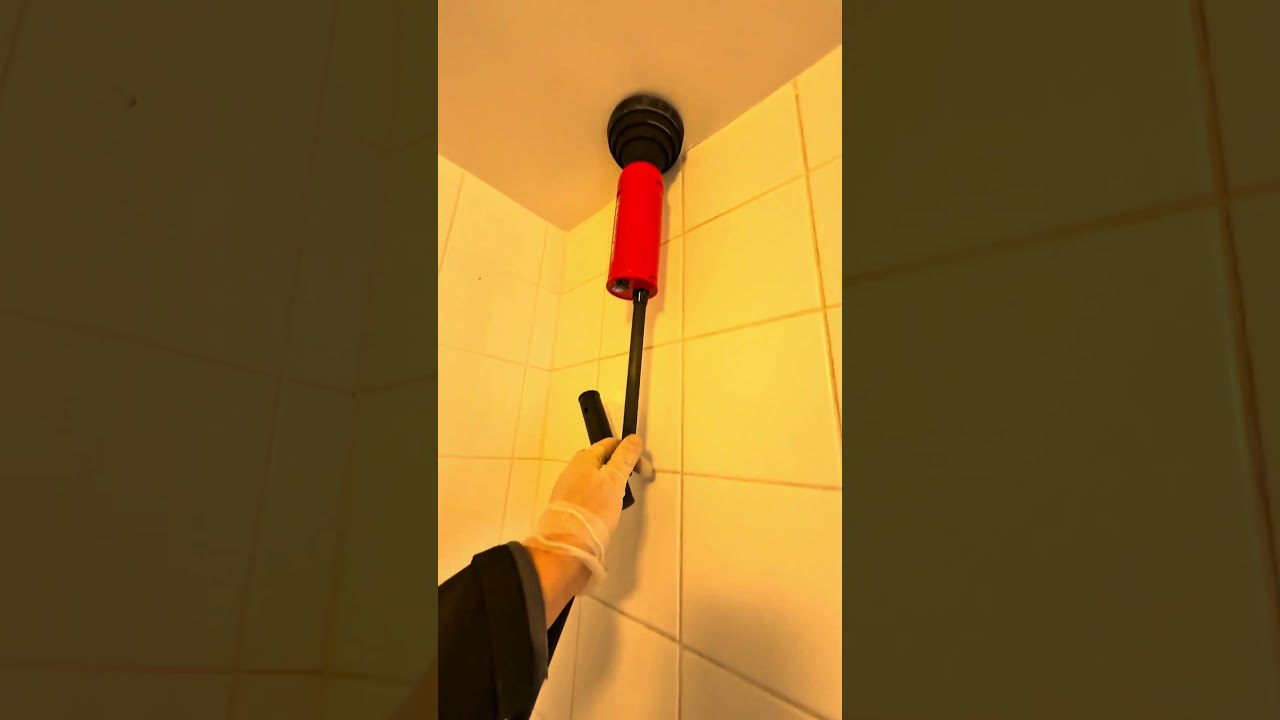
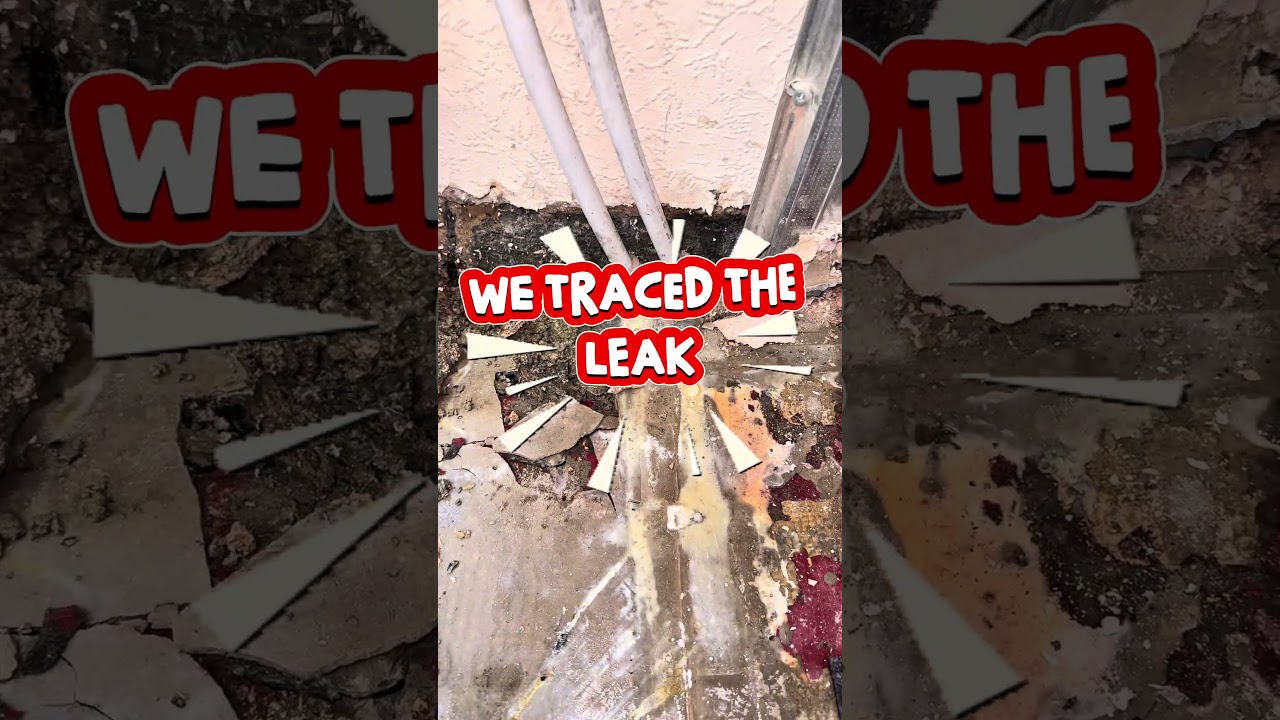
Real Leak Detection Examples From North London Homes



Book a Leak Detection Survey
If you suspect a hidden leak — or if you have already seen damp, mould, or water stains and want to find the source before it spreads further — a professional leak detection survey gives you fast, accurate answers with minimal disruption.
Call 020 8355 0840 to book a non-invasive leak detection survey with MML Plumbing.


