
No guessing. No damage. Just clear answers.
Why Mould Grows — And Why Moisture Is Always the Trigger
Mould requires two things to grow: moisture and a food source. The food source is already everywhere — wood, plasterboard, wallpaper paste, dust, carpet fibres, and other organic materials found in every home. You cannot remove the food source without stripping the building bare.
What you can control is the moisture. When building materials stay dry, mould spores remain dormant — present but harmless. When those materials get wet and stay wet, the spores germinate and begin forming colonies. Under the right conditions — damp material, warmth, limited airflow — mould can begin growing within 24 to 48 hours after water exposure.
This is why moisture detection matters so much. By the time you see mould on a wall, the underlying moisture problem has been active for days, weeks, or sometimes months. A moisture meter or thermal imaging camera finds that hidden moisture while it is still just moisture — before it becomes a mould problem, a health risk, and an expensive repair.

How Moisture Meters Detect Mould Risk
A moisture meter does not detect mould directly. What it detects is the condition that causes mould — excess moisture inside building materials. If the moisture is found and removed in time, the mould never develops.
Pin-type moisture meters measure electrical resistance by inserting two small pins into the material. Wet material conducts electricity more easily, so a lower resistance reading means higher moisture content. In timber, a reading above 20 per cent means the wood is probably holding too much moisture and should be checked for early signs of mould growth. In plaster and masonry, elevated readings compared to known dry areas indicate moisture that needs investigation.
Pinless moisture meters use electromagnetic waves to scan beneath the surface without causing any damage. They are ideal for checking finished walls, tiled surfaces, and ceilings where you do not want to leave marks. A pinless meter can sweep across a large surface area quickly and identify exactly where hidden moisture pockets are — areas where mould could be growing unseen or where conditions are right for it to start.
Moisture mapping takes this further. Instead of a single reading, the engineer takes dozens of readings across the affected area and records them with their locations. The result is a detailed visual presentation of moisture content levels across the wall, floor, or ceiling — showing where the moisture is concentrated, how far it has spread, and which direction it is moving. This moisture map pinpoints exactly where mould risk is highest and where intervention is needed most.
Using moisture meters, you can identify pockets of moisture within a surface, which helps find where congregations of mould spores may exist — even when nothing is visible on the surface.
How Thermal Imaging Spots Hidden Damp Before Mould Appears
Thermal imaging cameras detect temperature differences on surfaces caused by hidden moisture. Damp material holds and releases heat differently from dry material, and the camera reveals this as a visible pattern on its display.
In mould prevention, thermal imaging is especially valuable because it finds moisture that has not yet caused any visible signs. A damp patch behind plaster, moisture in a ceiling void above an insulated loft, or condensation forming on a cold wall behind furniture — all of these show up on a thermal camera before any staining, peeling paint, or mould growth appears on the surface.
Thermal imaging can also pinpoint cold spots where condensation occurs. In winter, cold surfaces — external walls, window reveals, unheated corners — attract moisture from the warm air inside the room. When the surface temperature drops below the dew point, water condenses on it. These cold surfaces are prime locations for mould, and a thermal camera identifies them clearly so you can address the problem with insulation or ventilation improvements before mould takes hold.
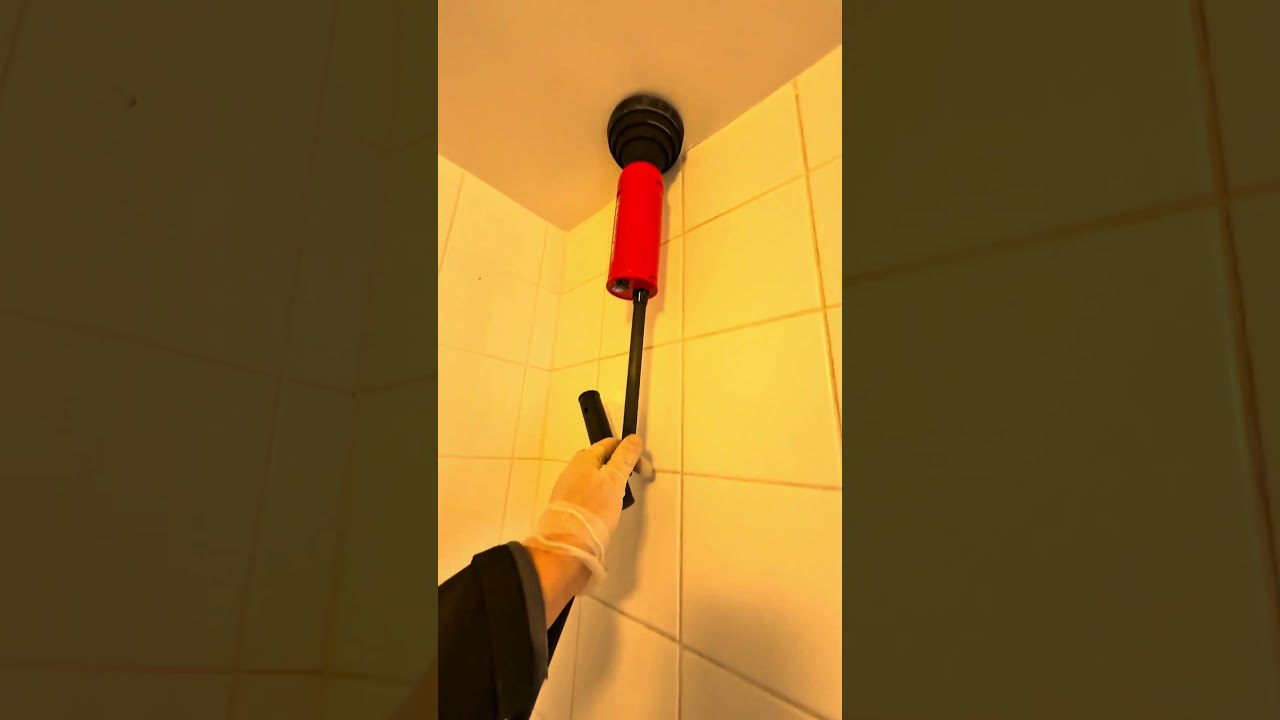
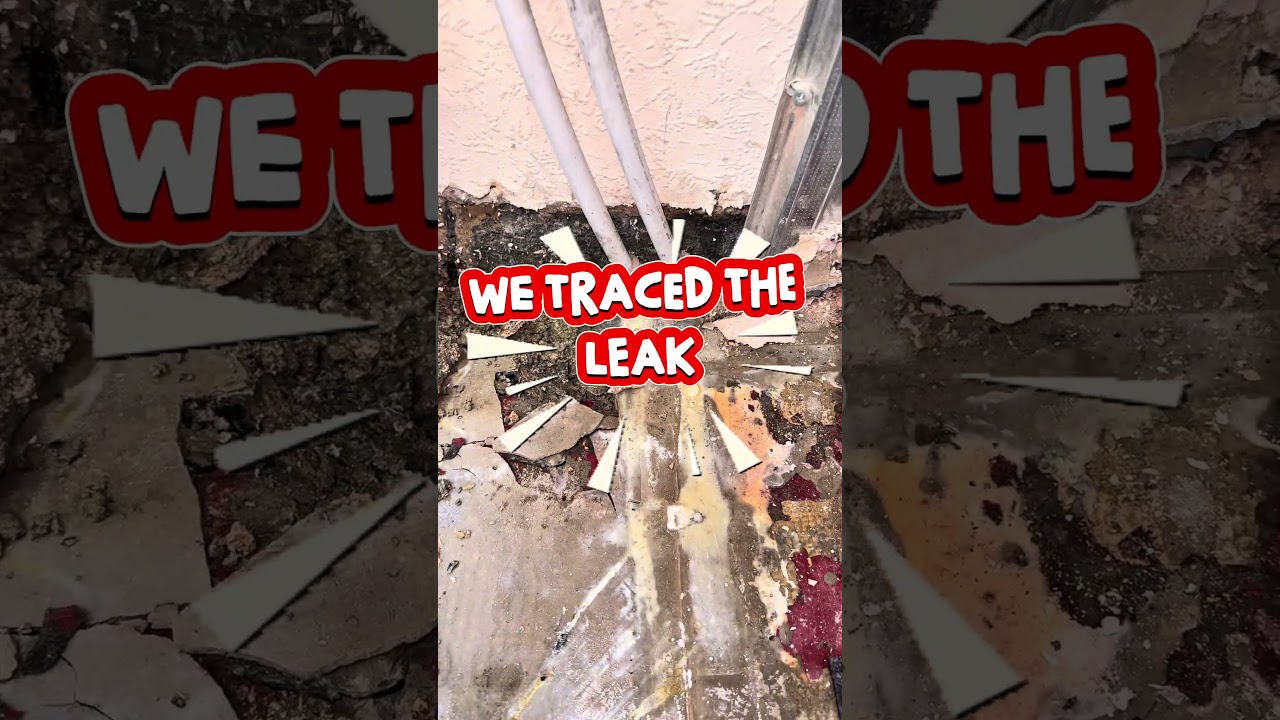
How we found hidden water leaks without damaging your home



Humidity Levels — The Other Half of the Equation
Moisture in building materials is one trigger. Moisture in the air is the other.
When relative humidity inside a property stays above 60 to 70 per cent for prolonged periods, mould risk increases significantly. When ambient relative humidity remains at or above 75 per cent for a sustained period, conditions become ideal for mould spores to germinate and actively grow.
Monitoring humidity levels is an important complement to moisture meter testing. A digital hygrometer — a simple, inexpensive device — measures relative humidity in a room and helps you maintain levels between 40 and 60 per cent, which is the healthy range for most living spaces.
Areas with poor ventilation — bathrooms, kitchens, basements, utility rooms, and rooms with limited airflow — are the most vulnerable. Warm, moist air from cooking, bathing, and drying clothes raises humidity levels. Without adequate ventilation, that moisture condenses on cold surfaces and soaks into building materials, creating the damp conditions mould needs.
Employ ventilation tactics such as extractor fans, trickle vents, and dehumidifiers to maintain humidity levels below 60 per cent. This is one of the most cost-effective preventative measures any homeowner can take against mould — and it costs far less than dealing with an established mould problem later.

Where Hidden Mould Grows — And How to Find It
Mould thrives in dark, moist, and humid conditions. The places where it grows are often the places you never look — making hidden mould one of the most common and most damaging problems in residential properties.
Behind furniture against external walls. Wardrobes, bookcases, and sofas placed flat against cold external walls trap moisture between the furniture and the wall. Air cannot circulate, humidity builds, and mould grows in the gap — invisible until you move the furniture and find the damage.
Inside wall cavities and ceiling voids. A slow leak from a pipe or a roof defect introduces moisture into spaces you cannot see. The moisture accumulates, the materials stay damp, and mould grows out of sight. Hidden mould in these locations often announces itself through musty odours before any visible signs appear.
Underneath floorboards and in subfloor voids. Ground floor properties — especially those without adequate ventilation beneath the floor — can develop damp conditions in the subfloor. Moisture rises from the ground, accumulates in the void, and creates conditions where mould can grow on the underside of floorboards and on timber joists.
Around windows with condensation problems. Single-glazed windows and poorly insulated window sills are magnets for condensation. Moisture collects at the base of the frame, soaks into the plaster and timber surround, and mould follows.
In bathrooms with inadequate extraction. Every shower, every bath, every basin use adds moisture to the air. Without proper extraction, that moisture settles on cold surfaces — tile grout, ceiling corners, extractor fan housings — and mould appears within days.
A moisture meter scan of these high-risk areas — even when everything looks dry on the surface — can detect the early stages of excess moisture before mould has a chance to develop. This proactive approach is far cheaper and simpler than mould remediation after the fact.
Early Detection — The Numbers That Make the Case
The financial argument for moisture detection as a mould prevention tool is strong.
Research indicates a potential 22 per cent reduction in mould-related repair claims through early detection of moisture issues. Early intervention can also reduce repair costs by up to 60 per cent compared to dealing with established mould damage — because catching moisture early means you are drying a damp wall, not stripping out contaminated plaster, treating timber, removing mould colonies, and redecorating.
Mould remediation for a single room can cost hundreds or thousands of pounds, depending on severity. A professional moisture inspection that finds the problem before mould develops costs a fraction of that.
Beyond the direct repair costs, there are other financial impacts. Mould problems reduce property value. They create complications during property sales and valuations. They can lead to disputes between landlords and tenants. And in the worst cases, they result in legal action — particularly under new regulations like Awaab’s Law, which places specific obligations on social landlords to address damp and mould within defined timeframes.

Mould prevention in London properties
Nearly 37 per cent of London homes were built before 1945, contributing to high moisture risk due to ageing housing stock with older plumbing, solid walls, limited insulation, and original windows. Across North London — in areas like Camden, Islington, Hackney, Haringey, Barnet, Enfield, and Finchley — the combination of older construction and London’s damp climate creates conditions where mould risk is naturally higher.
Common issues in London properties include penetrating damp from deteriorated brickwork or cracked render on external walls, condensation on cold, solid walls and single-glazed windows during winter, hidden leaks from ageing pipe fittings and lead pipework, blocked gutters and damaged roof tiles allowing water into loft spaces, and poor ventilation in converted flats where original airflow patterns have been altered.
Regular moisture inspections — using a moisture meter to check damp areas and a thermal camera to scan for cold spots and hidden moisture — are particularly important in these properties. Seasonal checks at the start and end of winter catch condensation-related problems before they develop into established mould.
Health Risks — Why Prevention Matters More Than Cure
Mould is not just a property issue. It is a health issue — and for vulnerable populations, it can be a serious one.
Breathing in mould spores can cause respiratory issues, allergic reactions, skin irritation, eye problems, and persistent coughing. Prolonged exposure worsens these effects. People with asthma, bronchitis, or other respiratory conditions are particularly vulnerable. Children, older adults, and people with weakened immune systems face heightened dangers from mould exposure.
Poor air quality caused by hidden mould is one of the most common indoor environmental health problems — and it is almost entirely preventable through moisture control.
By detecting excess moisture before mould develops, you remove the cause rather than treating the symptom. No moisture, no mould. No mould, no spores in the air. No spores, no health risk. That is the straightforward logic behind moisture detection as a mould prevention strategy.
What to Do If You Already Have Mould
If mould is already visible, the priority is not just cleaning — it is identifying and eliminating the moisture source. Without that step, mould will return regardless of how thoroughly the surface is treated. Start by removing any standing water and drying affected areas as quickly as possible. Clean surfaces with appropriate mould-inhibiting solutions, and dispose of materials that are too heavily contaminated to recover, such as saturated insulation, damaged plasterboard, or affected carpets. Improving ventilation and reducing humidity with dehumidifiers will help stabilise the environment, but these are only short-term controls if the root cause remains.
To stop mould permanently, the source of moisture must be proven. Our Moisture Leak Detection FAQs explain how professional diagnostics identify whether the issue is caused by condensation, rising damp, penetrating damp, or an active plumbing leak. For properties where the cause is unclear, our Moisture Leak Detection in London service uses non-invasive tools such as moisture mapping and thermal imaging to track how moisture is spreading and where it originates. In more complex situations — particularly where hidden pipework may be involved — our Leak Detection in London service applies advanced diagnostic methods to locate concealed leaks with precision.
During repairs, upgrading to mould-resistant materials such as specialist plasterboard, anti-mould coatings, and moisture-resistant insulation can significantly reduce the risk of recurrence. However, these measures only work effectively once the underlying moisture issue has been resolved. A structured, evidence-based approach ensures the problem is fully understood, properly addressed, and prevented from returning — protecting both the building and the health of its occupants.


