


Non-Invasive Leak Detection in Haringey – Fast, Accurate, Insurance-Ready
If you suspect a hidden water leak in Haringey, the first thing we do is build a picture of how the property is behaving — is the boiler topping up more often than it should, is there a damp patch that keeps reappearing, has the water meter started ticking over when nothing’s running? In our investigations across the area, we regularly find leaks in central heating pipework, water mains, underfloor heating systems and roof coverings, often well away from where the symptom first shows.
Once we have a working theory, we choose the equipment to test it. Thermal imaging is usually our starting point for heating and underfloor leaks, since escaping warm water creates a temperature difference we can see on camera — though it needs the right conditions to work well, which is why we’ll often confirm a thermal reading with acoustic listening or hydrogen tracer gas before committing to an exact location. Every investigation finishes with a detailed, insurance-ready report that can support a claim under Trace and Access.
Whether your boiler keeps losing pressure, your water bills are climbing, or you can hear running water with no obvious cause, our leak detection investigations in Haringey are built to find the source without unnecessary disruption to your home.
Call 020 8355 0840 to book a non-invasive leak detection survey.
How We Find and Fix Hidden Leaks Fast – Trusted Leak Detection in North London
When we’re called out to investigate a leak, we don’t start cutting into walls or lifting floors. We start by isolating the system and watching how the pressure behaves over time, which tells us whether we’re dealing with a slow weep or an active leak. From there, we bring in thermal imaging, acoustic sensors, moisture mapping, hydrogen tracer gas and pressure testing, choosing whichever combination fits what we’ve already ruled out.
This sequence matters because it protects your property from unnecessary damage while still giving us a detailed, insurance-ready report at the end. That’s why homeowners and businesses across North London come back to us for accurate, stress-free leak detection rather than guesswork.
1
Call us to book your leak detection
Speak with our friendly team and schedule a convenient appointment. We work around your timing to get help to you fast.
2
Fast On-site leak assessment
Our trusted engineer arrives on time, ready to assess your property quickly and start finding the source of the leak without delay.
3
Non-invasive leak detection
We use advanced equipment like thermal imaging, acoustic sensors, moisture meters, smoke testing, hydrogen gas tracing, and borescope cameras to find hidden leaks — all without damaging your walls, floors, or ceilings.
4
Insurance-Ready Findings and Reporting
Once we’ve located the leak, we document the evidence with clear photos and video. You’ll receive a full investigation report, suitable for insurance claims and for your own records.
5
Repair Recommendations and Insurance Support
With the leak identified, we’ll talk you through repair options and support you through the insurance claims process where needed.
How we found hidden water leaks without damaging your home
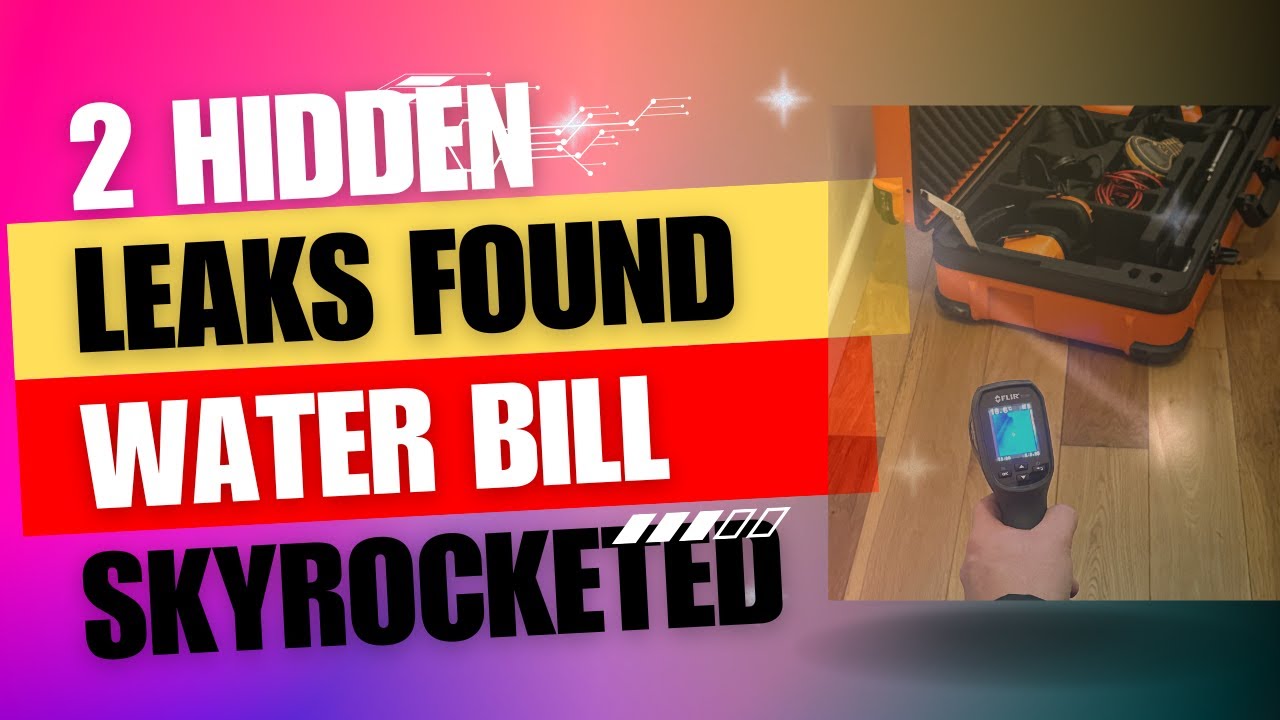

Our Non-Destructive Leak Detection Methods in Haringey
In Haringey, we regularly investigate leaks across Victorian terraces, converted flats, purpose-built blocks and commercial premises, using non-invasive methods suited to each type of property.
With equipment such as acoustic leak correlators, hydrogen tracer gas and thermal imaging cameras, we identify:
- Micro leaks in heating and drainage pipes
- Leaking water mains underground
- Underfloor heating leaks in concrete or screed
Wondering how long leak detection usually takes?
Wondering how long leak detection usually takes? In most cases, we can narrow down the source within one to two hours using these non-invasive tools.
We provide solutions that reduce unnecessary water loss, protect your building fabric, and give you the evidence you need to support an insurance claim.


Trusted Leak Detection Experts Serving Haringey and North London
MML Plumbing is a specialist leak detection company trusted across Haringey and North London. We’re based minutes from Muswell Hill and Alexandra Palace — the engineers who actually turn up, not a national call centre.
Why customers choose us:
- 15+ years’ experience in leak detection
- Fully insured for every investigation
- 5-star rated by homeowners and businesses across London
- Insurance-ready reports with every job
- Specialist leak detection company serving London and North London
Finding Hidden Leaks Before They Cause Damage
A hidden water leak rarely stays hidden where it starts. Water finds the path of least resistance through screed, insulation and structural voids, which is why damp or staining often appears several metres from the actual source. Our non-destructive leak detection identifies where the water is genuinely coming from, not just where it’s showing up, before it turns into a major repair.
Signs of hidden leaks in Haringey homes:
- Pressure loss in central heating systems
- Damp walls, mould growth or musty smells
- Water stains on ceilings or warped flooring
- Rising water bills despite normal usage
- The water meter running when no taps are in use
We investigate leaks in domestic plumbing, roof coverings and structural elements, helping you avoid costly repairs further down the line.

Leak found near Alexandra Palace N22-Case study
In one investigation near Springfield Avenue, Alexandra Palace, a property was experiencing boiler pressure loss with no obvious cause. Using hydrogen tracer gas and thermal imaging, we traced a micro leak beneath a timber floor — without lifting a single board.
The leak was repaired, and we supplied an insurance-ready report to support the claim.
Our Diagnostic Approach and Investigation Experience
Plumbing & Water Systems
- City & Guilds NVQ Level 2 in Plumbing
- NVQ Level 3 Diploma in Plumbing & Heating
- WRAS Approved – Water Regulations Compliance
- G3 – Unvented & Vented Hot Water Systems
- WaterSafe Approved Contractor
Specialist Leak Detection
- Acoustic Leak Detection – Pressurised & Buried Pipe Systems
- Hydrogen Tracer Gas Leak Detection (Non-Invasive)
- ITC Certified Thermal Imaging Diagnostics
- Moisture Mapping & Damp Investigation
- Insurance-Approved Trace & Access Reporting
- IICRC Certified – Water Damage Inspection Standards
System & Technical Experience
- Central Heating & Underfloor Heating Leak Investigation
- Mains Water Supply & Underground Pipe Diagnostics
- Domestic & Commercial Plumbing Systems
- Vented & Unvented Hot Water Systems
- Water & Sewage Utility Plumbing


Why Work With MML Plumbing Leak Detection
We don’t just find leaks — we work out why they’re happening in the first place. Every MML engineer carries advanced detection equipment and years of hands-on experience reading how water actually behaves in walls, floors and heating systems, rather than guessing from the symptom alone. From your first call to the final report, you’ll deal with someone who explains what they’re testing and why, and supports you through an insurance claim if you need one. Our precision testing saves customers across Haringey real money in avoided repairs and wasted water, with minimal disruption to your home.

15+ Years of Trusted Leak Detection Expertise in London
Need help with a hidden water leak or a boiler that keeps losing pressure?
At MML Plumbing, we specialise in non-invasive leak detection — using thermal imaging, acoustic sensors and hydrogen tracer gas to locate leaks quickly and precisely, without damaging your home.
Fill out our online enquiry form and one of our leak detection specialists will get back to you promptly with your quote.
Prefer email? Get in touch directly for expert advice on leak detection and plumbing investigations.

Book Your Leak Detection Today
Don’t let a hidden water leak turn into costly structural damage or high water bills.
Our specialist engineers carry out non-invasive leak detection in Haringey, working through thermal imaging, tracer gas and acoustic detection in the sequence that fits your property, to pinpoint the problem quickly — with no mess and no unnecessary damage.
Call 02083550840 to book a non-invasive leak detection survey.
- Non-invasive
- Insurance-ready report
- 15+ years of local expertise
Call to book a non-invasive leak detection survey.
Frequently Asked Questions About Leak Detection in Haringey
Question not answered? Ask A Question
Can a hidden water leak affect a property's value if left unresolved?
Yes. An unresolved leak lets moisture migrate through screed, insulation and structural materials, often causing damp, mould and timber decay well before any visible sign appears. Surveyors and buyers treat unexplained damp or a history of water damage as a red flag, which can affect a sale price or mortgage valuation. Identifying and resolving the source early, with documented evidence, protects both the building fabric and its market value.
What information should I gather before booking a leak detection investigation?
It helps to note when the problem started, what you’ve observed (pressure loss, damp patches, rising bills), and whether anything changed beforehand, such as building work or a new appliance. Photos of any damp or staining, plus recent water bills, give our engineers a useful starting point. The more detail you can give us, the faster we can decide which diagnostic method to use first.
What should homeowners do while waiting for a leak detection appointment?
Where it’s safe to do so, isolating the affected system can help limit further water loss until we arrive. It’s worth avoiding any DIY investigation that involves removing tiles, flooring or plasterboard, since this can disturb evidence we’d otherwise use to pinpoint the leak non-invasively. A simple log of any changes — new damp patches, sounds, or pressure readings — is genuinely useful on arrival.
Can leak detection investigations help identify intermittent leaks that only occur under certain conditions?
Yes, though intermittent leaks are among the harder cases we investigate, since the leak may not be active during the visit itself. We often combine pressure testing over an extended period with thermal imaging or hydrogen tracer gas once the system is under load, to catch the leak at the point it’s actually occurring. Where you’ve noticed a pattern, such as it only appearing once heating is switched on, that detail helps us recreate the right conditions.
What does a professional hydrogen tracer gas leak detection investigation involve?
We introduce a safe, non-toxic hydrogen and nitrogen gas mixture into the isolated pipe system, then use a specialist sensor to trace any gas escaping through a leak point. Because hydrogen molecules are extremely small, the gas finds its way through hairline cracks or pinhole leaks that other methods can miss. The sensor is passed along the suspected pipe route, including through walls and flooring, to pinpoint the exact location before any work begins.
How sensitive is hydrogen tracer gas leak detection when locating hidden water leaks?
Hydrogen tracer gas is one of the most sensitive non-invasive methods we use, capable of detecting leaks far smaller than those visible through thermal imaging or acoustic detection alone. Because the gas molecules are so small, they escape through micro-fractures and pinhole leaks that wouldn’t yet be losing enough water to register as pressure loss. This makes it particularly useful for confirming a leak’s exact position once another method has narrowed down the general area.
Is hydrogen tracer gas leak detection suitable for locating hidden central heating pipe leaks?
Yes, it’s one of the most effective methods for central heating leaks, particularly where pipework runs beneath solid floors or within walls. Once the circuit is isolated and filled with tracer gas, escaping gas rises through flooring or wall surfaces to where our sensor can detect it, even where the leak is several layers removed from where it surfaces. We typically pair it with pressure testing to confirm the system is genuinely losing water before committing to a gas test.

