


No guessing. No damage. Just clear answers.
How Effective Is Acoustic Leak Detection?
Acoustic leak detection is a non-invasive method used to identify leaks by detecting the sound and vibration produced when water escapes from pressurised pipework. Specialist acoustic sensors, ground microphones and electronic listening devices amplify and analyse these signals to help engineers identify a suspected leak location.
In suitable conditions, acoustic testing can narrow down the source of a hidden leak without unnecessary excavation or exploratory damage to walls and floors. This can reduce disruption, repair costs and the risk of opening unaffected areas.
However, the accuracy of acoustic leak detection depends on several interacting factors:
- Pipe material: Metal pipes generally transmit vibration more efficiently than flexible plastic pipes.
- Water pressure: Sufficient pressure is usually required to generate a detectable acoustic signal.
- Leak size and behaviour: A small pressurised opening can generate a distinct sound, while some larger openings produce less recognisable noise.
- Pipe depth and surroundings: Concrete, insulation, soil and flooring influence how sound travels.
- Background noise: Traffic, pumps, machinery and normal plumbing operation can interfere with acoustic readings.
- Access to the system: Valves, fittings and exposed pipework may provide useful listening points.
At MML Plumbing, we assess these conditions before deciding whether our acoustic leak detection services are appropriate for the suspected leak.

How Does Acoustic Leak Detection Identify Hidden Water Leaks?
When water escapes through a crack, pinhole or failed pipe joint, the pressure difference can create turbulent flow and vibration. These vibrations travel through the pipe wall, the water inside the pipe and sometimes the surrounding building materials.
An acoustic leak detector uses sensitive microphones, amplification and frequency filtering to help distinguish potential leak noise from ordinary environmental sounds.
The acoustic leak detection process typically involves assessing the system, identifying suitable listening points, comparing sound readings and checking whether the signal changes consistently along the suspected pipe route.
For concealed pipework, an engineer may listen at accessible valves or fittings before using a ground microphone across the floor or external surface.
The strongest sound does not always indicate the exact leak position. Vibration can travel along metal pipes and through structural materials, so acoustic readings must be interpreted alongside the pipe layout and other diagnostic evidence.
Our guide to how acoustic leak detection works explains the process in greater detail.
Which Plumbing Systems Are Best Suited to Acoustic Leak Detection?
1. Pressurised Domestic Water Supply Pipes
Pressurised cold-water pipes are often suitable for acoustic leak detection because escaping water can generate a continuous sound.
A hidden leak may be suspected when the water meter continues moving despite all taps and appliances being switched off, or when unexplained water consumption accompanies dampness around concealed pipework.
In these circumstances, acoustic testing may help identify where water is escaping.
The engineer must first establish which section of the plumbing system is affected. A moving water meter indicates water passing through the meter, but it does not by itself prove the location or cause of the loss.
Acoustic testing can then be used where the pipe material, pressure and surrounding conditions are suitable.
2. Copper and Steel Pipework
Metal pipes are generally among the most favourable materials for acoustic leak detection.
Copper and steel are relatively rigid, allowing sound waves generated by escaping water to travel along the pipe and through connected fittings.
This can make acoustic listening useful for hidden water leaks beneath floorboards, within service voids or under concrete slabs.
Older metallic supply pipes may also be suitable for investigation, although corrosion, multiple fittings and complicated pipe routes can affect how the signal is transmitted.
Acoustic technology can sometimes help locate a leak without opening a large area of flooring. Nevertheless, the final access position should be based on the combined evidence rather than a single loud reading.
3. Underground Water Mains and Supply Pipes
Underground leaks are a common application for acoustic detection.
Water escaping from a buried pressurised pipe may produce vibrations that travel through the pipe, surrounding ground and surface materials.
Ground microphones can help engineers investigate suspected leaks beneath driveways, pavements, gardens and concrete surfaces.
The effectiveness of underground acoustic leak detection depends on:
- Pipe material and operating pressure.
- Burial depth and pipe diameter.
- Soil composition and moisture.
- Whether the surface is concrete, paving, tarmac or soft ground.
- Nearby traffic and machinery.
- The amount of water escaping.
Dense, well-coupled ground and rigid surfaces can sometimes transmit useful vibration, while loose soil, insulation and greater burial depth may weaken the signal.
For example, a pressurised copper pipe beneath concrete may be easier to investigate acoustically than an MDPE pipe buried deeper in a garden.
Where acoustic readings are inconclusive, our mains water leak detection investigations can involve additional tests to establish the affected section before recommending excavation.
4. Concealed Pipes Beneath Concrete Floors
Acoustic leak detection can be particularly useful when investigating a suspected pressurised pipe leak beneath a concrete slab.
The engineer may use an acoustic listening device to compare readings across the floor and identify where leak-related vibration appears strongest.
However, sound can travel through reinforcement, pipe sleeves and other structural elements. A loud reading on the surface does not automatically prove that the leak lies directly beneath it.
When the signal is ambiguous, pressure testing, tracer gas or other appropriate methods may be needed before the floor is opened.
This approach can reduce unnecessary disruption, although some building work may still be required to expose and repair the damaged pipe.
5. Commercial and Larger Pressurised Plumbing Systems
Acoustic leak detection can also be effective in commercial buildings, apartment blocks and larger pressurised water distribution systems.
These installations may contain copper, steel or other rigid pipework that transmits leak-related vibration.
However, larger buildings can introduce additional complications, including circulation pumps, plant-room machinery, multiple pipe routes and continuous background noise.
An engineer must distinguish normal operating sounds from potential leak signals and understand the system before interpreting the results.
Acoustic detection may be one useful diagnostic method, but complex commercial plumbing systems can require sectional isolation and additional testing.
When Is Acoustic Leak Detection Less Effective?
1. Plastic Pipes Such as MDPE, PEX and PVC
Plastic pipework presents a common challenge for acoustic leak detection.
Compared with rigid metal pipes, flexible plastic materials generally absorb more vibration and can reduce the distance over which useful leak noise travels.
A leak in an MDPE underground supply pipe may therefore be harder to detect acoustically than a similar leak in copper pipework.
Plastic pipes are not acoustically undetectable. A sufficiently strong leak under suitable pressure may still produce a usable signal, especially when the engineer can listen close to the suspected location.
However, acoustic testing alone may not provide enough evidence for accurate detection.


2. Underfloor Heating Systems
Underfloor heating circuits often contain plastic pipework beneath screed, insulation and floor coverings.
These materials can weaken the sound waves generated by escaping water, while the relatively small leaks responsible for pressure loss may produce little detectable acoustic energy.
A heating system that repeatedly loses pressure does not automatically leak to the floor. Valves, accessible fittings and other system components should also be assessed.
Where an underfloor circuit is suspected, pressure testing can help establish whether it is losing pressure under controlled conditions.
Our underfloor heating leak investigations may then use appropriate additional methods to narrow down the suspected leak location.
3. Very Small and Intermittent Leaks
Minor leaks can be difficult to locate acoustically when the escaping water produces insufficient turbulence or vibration.
Some faults only become active when pressure rises, the heating system warms up, or a particular appliance operates.
A slow drip from a concealed joint may also produce little useful sound, particularly when the water runs along another surface before becoming visible.
In these cases, an acoustic detector may return inconclusive readings even though a leak exists.
Depending on the system, hydrogen tracer gas leak detection may provide an alternative way to investigate concealed pipework.
Tracer gas testing requires suitable isolation and controlled test conditions; it is not appropriate for every plumbing installation.
4. Low-Pressure and Gravity-Fed Systems
Acoustic leak detection relies on sufficient energy being generated as water escapes.
Low-pressure and gravity-fed plumbing systems may not produce a strong enough acoustic signal for reliable location.
This does not mean that acoustic testing is impossible, but its effectiveness can be substantially reduced.
The engineer should establish the operating pressure, pipe configuration and leak behaviour before deciding whether acoustic equipment is likely to provide useful evidence.
5. Noisy Environments
Background noise can make acoustic leak detection more difficult, particularly in busy urban areas.
Traffic, construction work, machinery, pumps, flowing water and structural vibration may overlap with the frequencies produced by a leak.
Modern acoustic equipment can amplify and filter selected sound frequencies, but it cannot completely remove every source of interference.
Experienced engineers compare readings and look for repeatable patterns rather than assuming that any unusual noise indicates escaping water.
6. Deeply Buried or Heavily Insulated Pipes
As the distance between a leak and the listening equipment increases, the acoustic signal may become weaker.
Deeply buried pipework, heavily insulated pipes and certain floor constructions can significantly reduce the sound reaching an accessible surface.
Pipe depth alone does not determine success. Pressure, pipe material, leak characteristics and ground conditions all influence the result.
Where the acoustic signal cannot be reliably interpreted, further testing may be needed before excavation.
Can Acoustic Leak Detection Identify the Exact Leak Location?
Acoustic leak detection can sometimes narrow down a leak location sufficiently to support targeted access, but no universal accuracy figure applies to every plumbing system.
The result depends on the strength of the acoustic signal, the pipe material, the distance from the leak and the experience of the engineer interpreting the readings.
For some pressurised metal pipes, the suspected location may be identified within a small area. In other situations, acoustic testing may only establish a general zone or provide no reliable location at all.
Claims that acoustic detection always locates leaks within a few centimetres, or achieves a fixed success rate, are not technically justified without defined test conditions.
A professional investigation should distinguish between a confirmed leaking section, a suspected location and a position supported by several independent diagnostic findings.
What Can Cause False Acoustic Leak Readings?
Not every sound detected by acoustic equipment comes from a leaking pipe.
Potential sources of misleading noise include normal water movement, partially open valves, circulating pumps, vibration from nearby machinery, pressure-regulating equipment and sounds transmitted through the building structure.
For example, a sound detected near a bathroom wall could originate from pipework elsewhere in the property.
This is why acoustic testing should involve comparison and interpretation rather than relying on a single reading.
Where practical, the engineer may isolate sections of the plumbing system, check whether the sound changes and compare the results with water meter behaviour or pressure testing.
Acoustic Leak Detection Compared with Other Methods
Acoustic Testing: Best for Suitable Pressurised Pipes
Acoustic testing is particularly useful where escaping water creates a detectable signal through pipework or surrounding materials.
It can help investigate metal pipes, concealed pressurised supplies and certain underground leaks with minimal disruption.
Its main limitations are sound attenuation, environmental noise, low pressure and uncertainty about the origin of transmitted vibration.
Hydrogen Tracer Gas: Useful When Acoustic Signals Are Weak
Hydrogen tracer gas testing uses a specialist hydrogen–nitrogen mixture introduced into suitably isolated pipework under controlled conditions.
The gas may escape through a defect and be detected using sensitive equipment at accessible surfaces.
This method can be particularly useful for certain plastic pipes, underfloor heating circuits and concealed systems where acoustic testing has produced inconclusive results.
However, gas movement through soil, insulation or building materials can affect the detected position. Results must be interpreted carefully rather than treated as an automatic pinpoint location.


Thermal Imaging: Useful for Temperature-Related Evidence
Thermal imaging cameras identify surface temperature differences.
They can help investigate hot-water pipes, heating circuits and areas where leaking water creates a detectable thermal pattern.
A thermal camera does not see directly through walls or concrete, and a temperature anomaly does not necessarily indicate a leak.
Our thermal imaging leak detection service uses thermal findings alongside other evidence where appropriate.
Pressure Testing: Useful for Confirming System Integrity
Pressure testing is often an important starting point when investigating hidden water leaks.
A suitably isolated pipe section can be monitored to determine whether it maintains pressure under defined test conditions.
Pressure loss may support a suspected leak, but temperature variation, trapped air and the test arrangement must also be considered.
Pressure testing does not identify the exact leak location. It helps determine whether further investigation is justified and which section should be examined.
Moisture Mapping and Borescope Inspection
Moisture mapping can help establish the extent and distribution of dampness in affected building materials.
Borescope or endoscope inspection may provide visual evidence inside accessible voids without opening large areas of the structure.
These methods can be valuable when investigating water damage, but they do not automatically prove which pipe or fitting is responsible.
The most useful leak detection method is the one that addresses the uncertainty remaining in the investigation.
How MML Plumbing Selects the Right Leak Detection Method
At MML Plumbing, the investigation begins with the symptoms and the plumbing system rather than assuming that a particular technology will identify every hidden leak.
We assess the available information, including water meter movement, pressure loss, visible moisture, pipe material, accessible valves and the likely route of concealed pipework.
Where conditions are suitable, acoustic testing can help identify a suspected leak location.
Where the acoustic signal is weak, inconsistent or masked by background noise, further investigation may involve pressure testing, thermal imaging, hydrogen tracer gas, moisture mapping or borescope inspection.
This evidence-led approach is intended to reduce unnecessary excavation and provide a clearer basis for repair recommendations.
For related questions about the technology and its limitations, see our acoustic leak detection FAQs.

Practical Leak Detection Examples
Underground Water Supply Leak
A property owner reports unusually high water bills and a water meter that continues moving when the property’s outlets are not being used.
Initial testing indicates a problem on the incoming water supply.
If the affected pipe is metal and produces a clear signal, acoustic detection may help narrow down the suspected location.
If the supply is MDPE and acoustic readings are inconclusive, controlled tracer gas testing may provide further evidence before excavation is recommended.
Heating System Losing Pressure
A homeowner notices that the heating system repeatedly loses pressure.
Before assuming that a pipe beneath the floor is leaking, the engineer assesses accessible components and the system’s pressure behaviour.
If testing indicates a concealed pipework fault, the choice of locating method depends on the material and configuration of the affected circuit.
Plastic heating pipes beneath screed may require a different approach from accessible copper pipework.
Hidden Leak Beneath a Concrete Floor
A concealed pressurised pipe is suspected of leaking beneath a concrete floor.
An acoustic listening device may identify a stronger signal in one part of the room, but the engineer must consider whether the sound is travelling along the pipe or through the surrounding structure.
Additional testing may be required before identifying a suitable access point.
These examples illustrate the diagnostic process. They are not guarantees that every leak can be located without opening a surface.
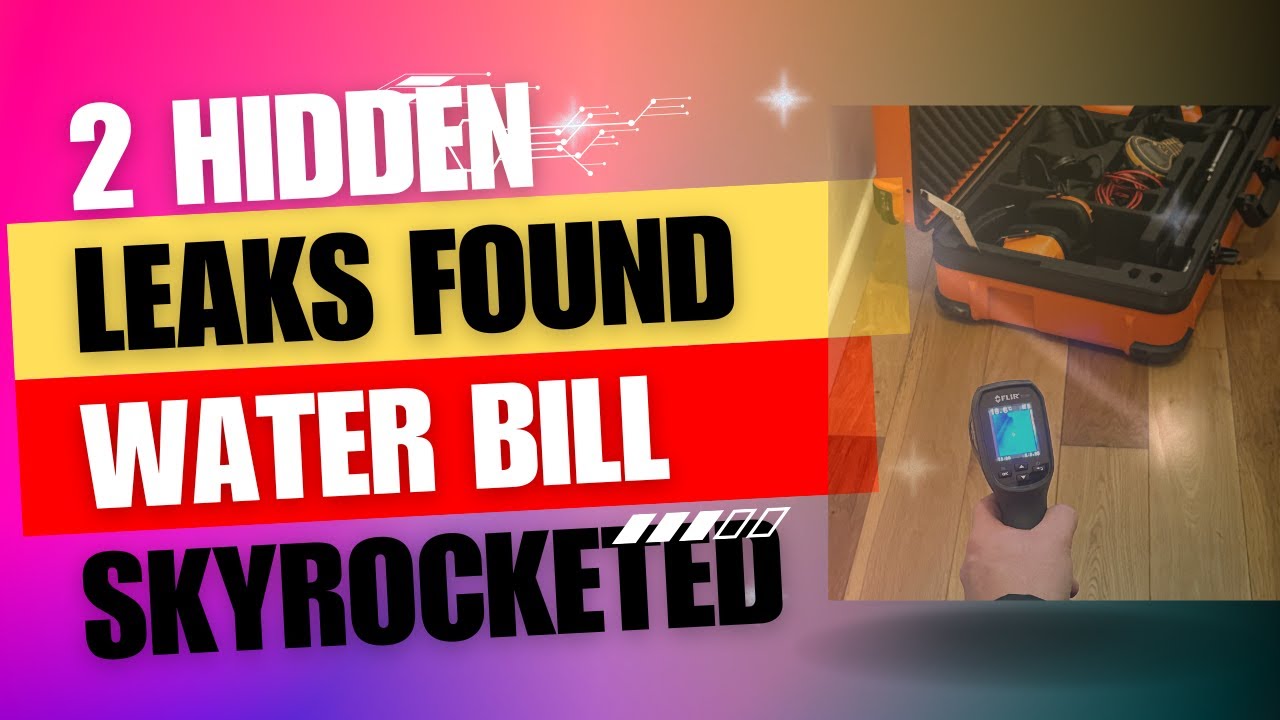
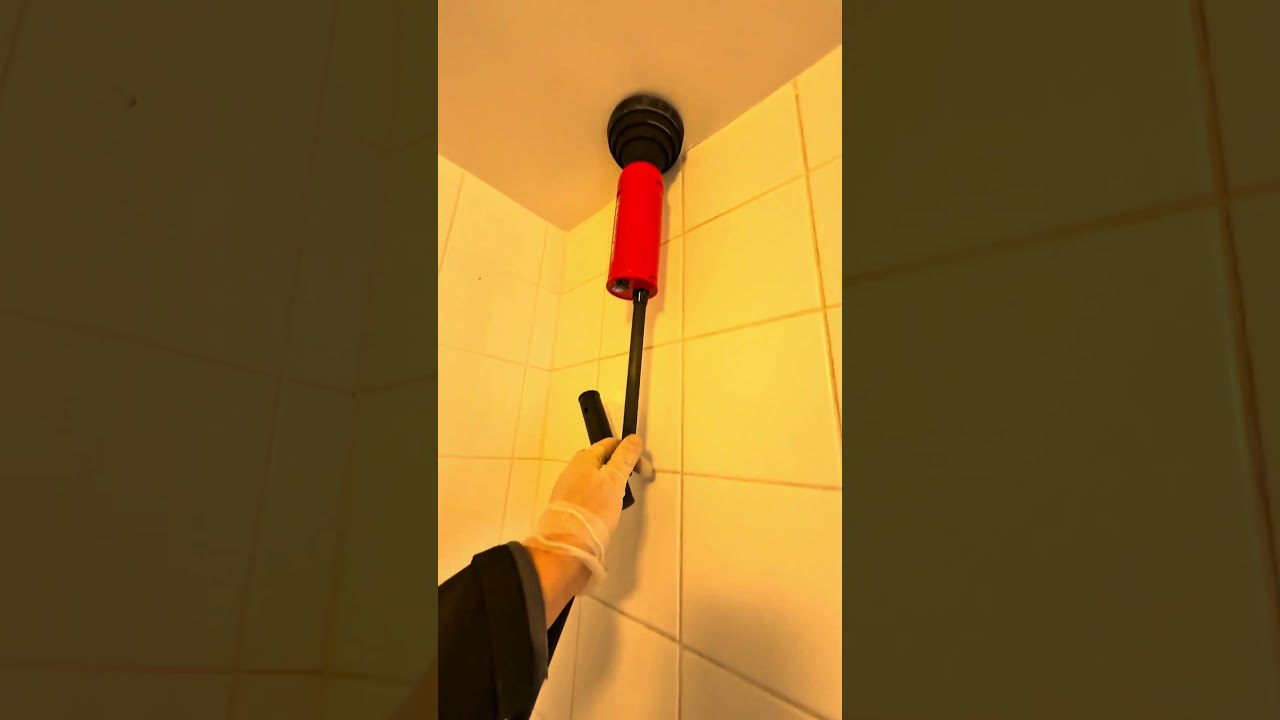
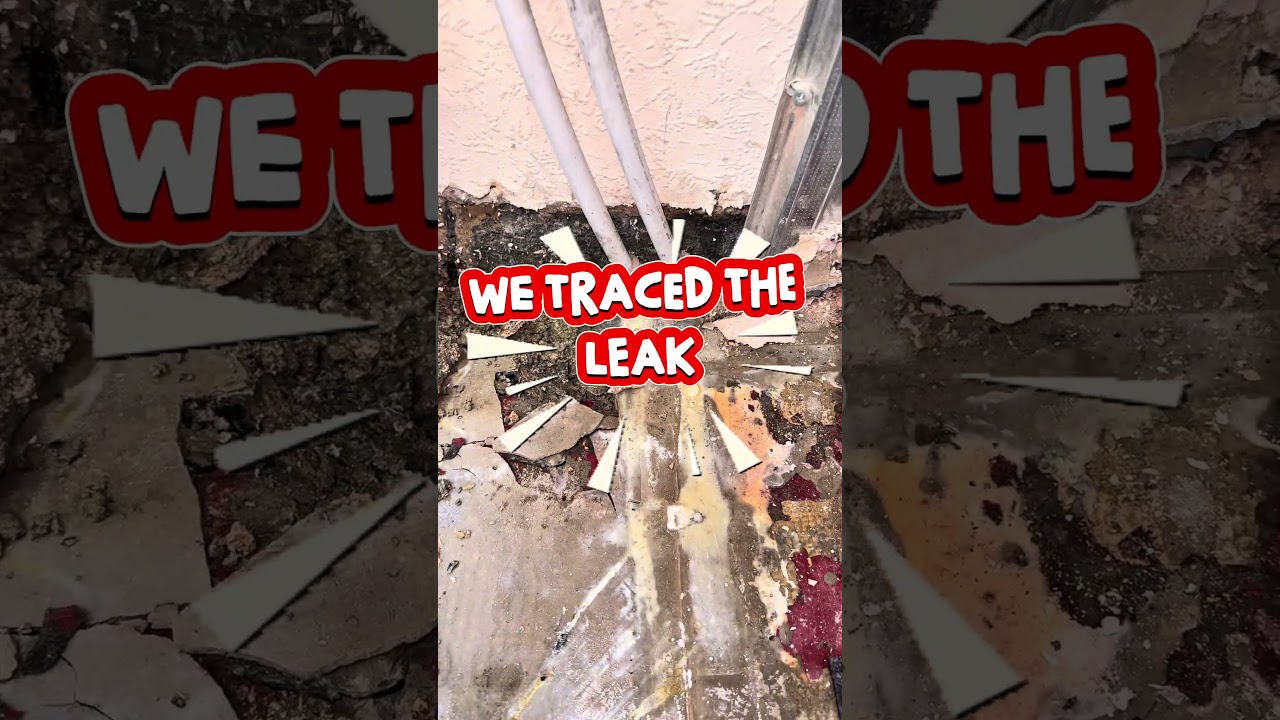
Case study: Can Several Hidden Waste Pipe Leaks Cause Damp Without an Obvious Burst Pipe?
Real Leak Detection Examples From North London Homes


Need to Find a Hidden Water Leak?
If you have unexplained water consumption, a persistent pressure drop or dampness around concealed pipework, identifying the affected system is the first step towards an effective repair.
MML Plumbing provides non-invasive leak detection across London, using acoustic equipment and other appropriate diagnostic methods to investigate suspected hidden water leaks.
Our investigations can include an insurance-ready photographic report documenting the testing undertaken, relevant findings, limitations and recommended next steps.
Contact MML Plumbing to arrange a professional leak investigation.
We don’t guess. We prove. Then we fix.

