
To find a water leak in a brick wall, first establish whether the moisture is entering from outside through the brickwork, mortar joints, windows, roof or drainage system, or whether it is coming from leaking plumbing inside or behind the wall. The location of the damp patch alone is not enough to identify the source because water can travel through masonry, cavities and other building materials before becoming visible.
A leaking brick wall is particularly noticeable during periods of wind-blown rain, but rainwater penetration is not the only possible cause. Leaky pipes, condensation, defective seals around windows and doors, damaged mortar, roof defects and problems with gutters or downpipes can all produce similar symptoms.
The key is to identify when the wall becomes wet, where the moisture begins and what changes immediately before the problem appears.
If you are unsure whether the moisture is coming through the brick exterior or from a hidden plumbing leak, this guide explains how to separate the likely causes and what evidence to look for before repairs begin.
Can Water Actually Leak Through a Brick Wall?
Yes. Brick walls are designed to manage exposure to the weather, but a brick exterior is not simply an impermeable waterproof barrier.
Brick, mortar and other masonry materials can absorb moisture. Proper wall construction, cavities, flashings, drainage paths and weep holes are intended to manage that moisture and prevent it from reaching the internal building finishes.
Problems develop when water penetration exceeds what the wall can manage or when a defect creates a route for water into the building.
Wind-blown rain can place significant amounts of water against an exterior wall. Small cracks, deteriorated mortar joints, defective seals around openings or faults elsewhere in the building envelope can then provide routes through which water enters.
However, moisture appearing on the inside of a brick wall does not automatically prove that rain is penetrating the brickwork. A concealed water pipe or heating pipe can produce a very similar wet patch.
That distinction should be established before the brickwork is sealed, repointed or opened.

What Are the Most Common Causes of Water Leaking Through Brick Walls?
The most common causes can broadly be divided into external water penetration and internal water sources.
On the outside of the property, wind-blown rain can expose defects in brick surfaces and mortar joints. Small cracks, weathered mortar, gaps around windows and doors, defective flashing and problems where different building materials meet can allow rainwater to enter the wall.
Roof and rainwater systems also need to be considered. A blocked gutter can overflow against the outside brickwork, while a damaged downpipe can repeatedly discharge water onto one section of the wall. Roof or flashing defects higher up the building can allow water to travel downwards and appear much lower than the original entry point.
Ground-level drainage can contribute as well. If water repeatedly collects beside the building because of defective drainage systems, inappropriate ground levels or poor surface drainage, lower parts of the exterior wall can remain exposed to excessive moisture.
Internally, the cause may have nothing to do with the brick exterior. Leaky pipes, heating pipework and plumbing connections concealed beside or within the wall can release water into the structure. Bathrooms, kitchens and other plumbing installations on the opposite side of an external wall should therefore be considered during the investigation.
Wind-Blown Rain and Brick Wall Leaks
Wind-blown rain is one of the most important clues when investigating a leaking brick wall.
Rain falling vertically onto a roof behaves differently from rain driven horizontally against an exposed exterior wall. During strong winds, water can be forced against brick surfaces, vertical joints, window surrounds and other vulnerable areas.
If the interior wall remains dry through ordinary weather but becomes wet after prolonged or wind-driven rain, that timing strongly suggests that the building envelope should be investigated.
Look at the orientation of the affected wall as well. A wall that receives the prevailing weather may show problems that do not occur on more sheltered sides of the same house.
The fact that the problem appears during rain does not identify the precise defect, however. The water may be entering through mortar joints, around a window, from defective flashing, through a roof defect or from another part of the exterior above the visible damp patch.
Damaged Mortar Joints and Water Penetration
Mortar joints are an important part of a brick wall and should be inspected when rainwater penetration is suspected.
Over time, mortar can crack, erode, become loose or separate from surrounding bricks. Both horizontal bed joints and vertical joints can develop defects.
A deteriorated joint does not automatically mean it is the source of an internal leak, but damaged mortar can create a potential route for water penetration.
Look for areas where mortar is visibly missing, cracked, recessed or crumbling. Compare the affected section with surrounding brickwork and pay particular attention to areas above or beside the internal damp patch.
If mortar repair or repointing is required, the replacement material needs to be appropriate for the existing building. This is particularly important with older London properties, where inappropriate hard mortar can behave differently from the original masonry.
MML Plumbing does not carry out brick repointing or structural masonry repairs. Where investigation indicates that defective brickwork or mortar is responsible, an appropriate brickwork or building specialist should assess the repair.
Cracked, Porous or Damaged Bricks
Individual bricks can also deteriorate.
Cracks can provide routes for rainwater, while prolonged moisture exposure and weathering can damage the brick surface. In some conditions, moisture within masonry can contribute to spalling, where part of the brick face deteriorates or breaks away.
Dark or persistently discoloured brick surfaces can indicate that one area is remaining wetter than its surroundings, although discolouration alone does not prove the source of a leak.
Look for obvious cracks, damaged brick faces and areas that remain visibly damp for substantially longer than adjacent sections after rainfall.
The important point is to identify why that section is becoming excessively wet rather than immediately applying a sealant over it.
What Is Efflorescence on a Brick Wall?
Efflorescence is the white or pale powdery deposit sometimes visible on brick or other masonry.
It develops when moisture moves through masonry, dissolves soluble salts and then evaporates from the surface, leaving the salts behind.
Efflorescence is therefore useful evidence that moisture has been moving through the material, but it does not tell you exactly where the water originated.
The source may be rain penetration, persistent dampness or another moisture pathway.
Removing the visible deposit without addressing the moisture source does not resolve the underlying problem.
Can Water Enter Around Windows and Doors?
Yes. The transition between brickwork and another building component is often important when tracing water ingress.
Window and door openings contain several interfaces where water management depends on correct construction and maintenance. Failed perimeter seals, cracks, defective flashing or problems above the opening can allow rainwater to enter.
If the damp patch begins near the top or side of a window and becomes worse during heavy rain, investigate the exterior around the opening rather than assuming water has passed directly through the centre of the brick wall.
Water can also enter above a window and travel within the wall before becoming visible around the frame.
This means the first visible wet spot may not correspond with the external entry point.
Gutters, Downpipes and Roof Defects
A leaking brick wall can originate well above the affected area.
Blocked or damaged gutters can overflow and repeatedly saturate the brick exterior. Defective downpipes can release water directly against the wall, while roof and flashing defects can allow water to enter higher in the building and migrate downwards.
Inspect the property during rainfall where this can be done safely. Overflowing gutters, water running down the outside brick surface or discharge from a damaged downpipe can provide valuable evidence.
Do not climb onto a roof or work at height to perform this check. Problems involving roofing, flashing or high-level rainwater components should be assessed by an appropriate professional.
What Are Weep Holes and Why Do They Matter?
Some types of cavity-wall construction include weep holes that allow moisture collected within the wall system to drain externally.
These are deliberately formed openings and should not automatically be treated as cracks that need sealing.
If a wall is designed with weep holes, blocking them can interfere with the intended drainage of moisture.
Likewise, installing new weep holes is not a generic DIY solution for every leaking brick wall. Their position and requirement depend on the wall construction and detailing.
If there is concern about cavity drainage, flashing or weep-hole provision, the construction should be assessed appropriately rather than altered based on guesswork.
Could the Water Be Coming From a Leaky Pipe Instead?
Absolutely.
This is particularly important because repairing brickwork will not solve a concealed plumbing leak.
Hot and cold water pipes, heating pipes and plumbing connections can run beneath floors, within service voids or beside exterior walls. If one develops a leak, water can spread into masonry and plaster and create what looks like external water penetration.
A plumbing leak becomes more plausible when the wall remains wet through prolonged dry weather, moisture increases regardless of rainfall, a water meter records unexplained usage or a sealed heating system repeatedly loses pressure. If the property has an ageing heating installation, our guide explains whether older heating systems are more likely to develop hidden leaks.
The presence of a bathroom, kitchen, radiator or plumbing installation behind or above the affected wall is another important clue.
If the problem is not clearly associated with rainfall, plumbing should be investigated before assuming the brick exterior is responsible.
For the broader diagnostic process, including condensation, plumbing and other causes of wall moisture, see our guide to water leakage on walls.
How Can I Tell Whether It Is Rainwater or a Plumbing Leak?
One of the most useful diagnostic tools is simply timing.
If the wall becomes wet during heavy rain and begins drying during prolonged dry weather, external water penetration becomes more likely. If it remains wet regardless of the weather, a plumbing or other persistent moisture source deserves closer investigation.
If moisture increases after using a shower, bath, toilet or other fixture, investigate that system. If the boiler repeatedly loses pressure, heating pipework may need testing. If the water meter continues to record unexplained usage when normal water consumption has been excluded, the mains-fed plumbing system may require investigation.
None of these observations independently proves the source.
A building can also have more than one moisture problem. For example, an exterior wall may suffer condensation while a separate plumbing leak exists beneath the floor.
This is why diagnosis should be evidence-led rather than based on one symptom.

Signs of a Leaking Brick Wall
The first visible sign inside the property is often a damp or discoloured patch on an external wall. Bubbling or peeling paint can develop as moisture affects the wall finish, while prolonged dampness can soften plaster and damage wallpaper or skirting.
Mould or mildew growth can occur where materials remain damp, and a musty odour can develop even when the wall does not look visibly wet.
Outside, you may see darker areas of brickwork, damaged mortar joints, cracks, efflorescence or deteriorated brick surfaces. These observations can help identify where moisture is concentrated, but they should be considered together with the weather pattern and internal symptoms.
A particularly useful clue is a patch that repeatedly appears after wind-blown rain and then reduces during dry conditions.
By contrast, damp that does not respond to the weather may point towards a different source.
How Do I Inspect a Brick Wall for the Source of a Leak?
Start with the affected area inside and compare it with the exterior wall.
Look at what sits directly outside, above and to either side of the damp patch. Inspect accessible brick surfaces for obvious cracks, damaged mortar and persistent discolouration. Check around window and door openings and look for visible defects where brick meets other materials.
Then look higher. A leak around a gutter, downpipe, roof edge or flashing can affect brickwork significantly below it.
Observe the property during rain if it is safe to do so. Water visibly running down the wall, overflowing gutters, or one area becoming saturated more quickly than its surroundings can provide important evidence.
Also inspect the inside of the property. Determine whether plumbing passes through the area and whether the moisture changes when nearby water fixtures are used.
The purpose of this examination is not to decide immediately what needs replacing. It is to build a pattern of evidence showing where the water is most likely coming from.
Can a Moisture Meter Find a Leak in a Brick Wall?
A moisture meter can help identify and compare areas of elevated moisture.
For example, readings taken across an interior wall may show that moisture is concentrated around one corner, beneath a window or near the wall-floor junction. Repeated readings can also help establish whether the affected area is becoming wetter or drying.
However, a moisture meter does not independently identify the cause.
A high reading could relate to rainwater penetration, leaking plumbing, condensation, ground moisture or historic water damage. Different building materials and salts can also influence some readings.
For that reason, our moisture leak detection investigations interpret moisture patterns alongside other evidence rather than treating a moisture detector as a device that directly pinpoints a leak.
Can Thermal Imaging Detect Water Behind a Brick Wall?
Thermal imaging can help investigate some moisture problems, but it needs to be understood correctly.
A thermal camera detects surface temperature differences. It does not see through bricks, and it does not directly photograph hidden water inside the wall.
Moisture can sometimes influence surface temperature, so an unusual thermal pattern may help identify an area for further testing. Thermal imaging can also be useful where heating pipework is involved.
However, insulation, sunlight, airflow, heating and construction differences can also create thermal patterns.
Thermal imaging therefore provides supporting evidence rather than standalone proof of water penetration.
Can Leak Detection Tell Whether Plumbing Is Responsible?
Where a concealed plumbing leak remains a realistic possibility, professional testing can help determine whether the water system is losing water.
The appropriate method depends on the system and symptoms. It may involve pressure testing, moisture mapping, thermal imaging, acoustic testing, hydrogen tracer gas, borescope inspection or targeted testing of bathrooms and other plumbing fixtures.
For example, pressure testing may establish whether an isolated system is losing pressure, while acoustic equipment may help detect the sound generated by water escaping from suitable pressurised pipework. Hydrogen tracer gas can assist with certain concealed pipe leaks where the system is suitable for testing.
No single method is appropriate for every leak.
The objective is to build enough evidence to distinguish a plumbing fault from an external building defect before unnecessary destructive work begins.
Should I Spray Water on the Brick Wall to Find the Leak?
Controlled water testing can sometimes help professionals investigate rainwater ingress, but indiscriminately spraying a wall with a hose or pressure washer is not a reliable diagnostic method.
Water can travel within the wall and appear later, so an immediate result should not always be expected. Spraying too large an area at once can also make it impossible to determine which detail allowed the water to enter.
More importantly, high-pressure washing can drive water into vulnerable joints and can damage some brick or mortar surfaces.
The claim that a spray test can universally reveal a brick-wall leak within a fixed number of seconds is therefore misleading.
Where controlled rain testing is appropriate, individual areas should be assessed systematically and sufficient time allowed to observe the response.
Can Power Washing Cause Brick Wall Leaks?
Potentially, yes.
High-pressure washing can damage deteriorated mortar, affect vulnerable brick surfaces and force water into gaps that ordinary rainfall may not reach in the same way.
For this reason, power washing should not be treated as a method of preventing water penetration.
Older or already deteriorated brickwork requires particular care.
Cleaning methods should be appropriate for the type and condition of the masonry, and aggressive pressure washing should not be used as a substitute for repairing defective brickwork.
Should I Seal a Leaking Brick Wall?
Do not apply a sealant until the source and construction have been properly considered.
The temptation is understandable: if water appears to be coming through the brick exterior, covering the surface with a water-resistant product appears to offer a quick solution.
But masonry walls need to manage moisture. Applying an inappropriate impermeable coating can trap moisture within some wall constructions rather than solving the underlying defect.
If cracked mortar, defective flashing, a failed window detail, an overflowing gutter or leaking pipe is responsible, coating the brick surface does not correct that fault.
In some circumstances a suitable breathable water-repellent treatment may form part of an appropriate masonry solution, but that decision should follow diagnosis and any necessary repairs. It should not be the first response to an unexplained wet wall.
Does Damaged Mortar Need Repointing?
If investigation confirms that deteriorated mortar joints are contributing to rainwater penetration, repointing may be required.
Repointing involves removing defective mortar to an appropriate depth and replacing it with mortar suitable for the existing masonry.
It is not simply a matter of spreading extra mortar over the surface.
The choice of mortar is particularly important in older properties. Using a mortar that is unnecessarily hard or incompatible with the original bricks can create further masonry problems.
For that reason, the wall should be assessed by a competent masonry or building specialist where substantial repointing is required.
Can Tuckpointing Fix a Leaking Brick Wall?
Tuckpointing and repointing are sometimes confused.
Repointing repairs deteriorated mortar joints. Traditional tuckpointing is a more specialised decorative jointing technique and is not automatically the correct repair simply because a brick wall is leaking.
If failed mortar joints are genuinely allowing water penetration, appropriate mortar repair may help restore the wall’s weather resistance.
But if water is actually entering around a window, through flashing, from a gutter or from leaking plumbing, repairing mortar elsewhere will not resolve the leak.
Again, the repair should follow the source.
Can Brick Wall Leaks Cause Structural Damage?
Persistent water penetration can damage building materials, but the severity depends on the construction, amount of moisture, duration and underlying defect.
Repeated saturation can contribute to deterioration of mortar, internal plaster, timber and other materials. Moisture retained within masonry can also contribute to freeze-thaw deterioration and spalling in susceptible brickwork.
However, a damp patch should not automatically be described as foundation damage or major structural damage.
Visible movement, significant cracking, distorted openings or suspected foundation problems require assessment by an appropriately qualified building professional or structural engineer.
MML Plumbing can investigate whether plumbing is contributing to the moisture problem, but we do not diagnose structural movement from a damp patch.
What Should I Do if Water Is Coming Through My Brick Wall?
First establish whether the problem follows rainfall.
Photograph the internal dampness and, where safe, the corresponding exterior wall. Recording how the affected area changes before, during and after rain can be extremely useful.
Check accessible gutters and downpipes from ground level for obvious overflow or leakage and look for damaged mortar, cracks or failed seals around windows and doors.
Inside the property, consider whether water or heating pipes run near the affected area and whether bathrooms, kitchens or radiators are located above or behind it.
If the evidence clearly indicates a building-envelope problem, arrange assessment by the appropriate building trade.
If the evidence does not establish whether the moisture is coming from outside or from concealed plumbing, further investigation is preferable to carrying out repairs based on guesswork.
How Is a Leaking Brick Wall Fixed?
There is no single repair because “brick wall leak” describes the symptom rather than the fault.
Damaged mortar may require appropriate repointing. Failed window or door details may need sealing or reconstruction. Defective flashing needs to be repaired correctly. Gutters and downpipes may need clearing, repairing or replacing. Damaged bricks may require specialist masonry repair.
If the investigation instead identifies leaking plumbing, the affected pipe, joint, valve or fitting needs to be repaired. Where the plumbing leak has already been located, and the repair falls within our scope, our water leak repair service may be appropriate.
Structural, foundation, roofing and masonry defects require the relevant specialist rather than a plumbing repair.
The most effective repair is therefore the one directed at the confirmed source of the water.

How Can I Help Prevent Water Penetration Through Brick Walls?
Regular observation is more useful than repeatedly applying sealants.
Check exterior brickwork periodically for deteriorating mortar, damaged bricks and new cracks. Pay particular attention to window and door surrounds and other junctions where different materials meet.
Keep gutters and drainage systems functioning so water flows away rather than repeatedly saturating exterior walls. If a downpipe begins leaking onto the brick exterior, repairing it early can prevent prolonged wetting of the masonry.
Do not block existing weep holes without understanding their purpose, and avoid aggressive power washing that may damage vulnerable brick or mortar surfaces.
Where a recurring problem develops, establish the cause rather than repeatedly painting, sealing or patching the visible symptom.
When Is Professional Leak Detection Appropriate?
Professional plumbing leak detection is useful when the source remains uncertain, and there is a realistic possibility that water is escaping from concealed plumbing.
For example, the wall may remain damp through dry weather, a water meter may indicate unexplained usage, boiler pressure may repeatedly fall, or moisture may change when a bathroom or other plumbing fixture is used.
MML Plumbing can investigate the plumbing side of the problem using appropriate non-invasive diagnostic methods. Where the evidence shows that the plumbing systems are stable and the moisture pattern instead points towards rainwater penetration or another building defect, that distinction is also valuable because it directs the property owner towards the appropriate next specialist.
We do not repair brickwork, roofs or structural defects. Our role is to establish whether plumbing is responsible where a concealed water leak is suspected.
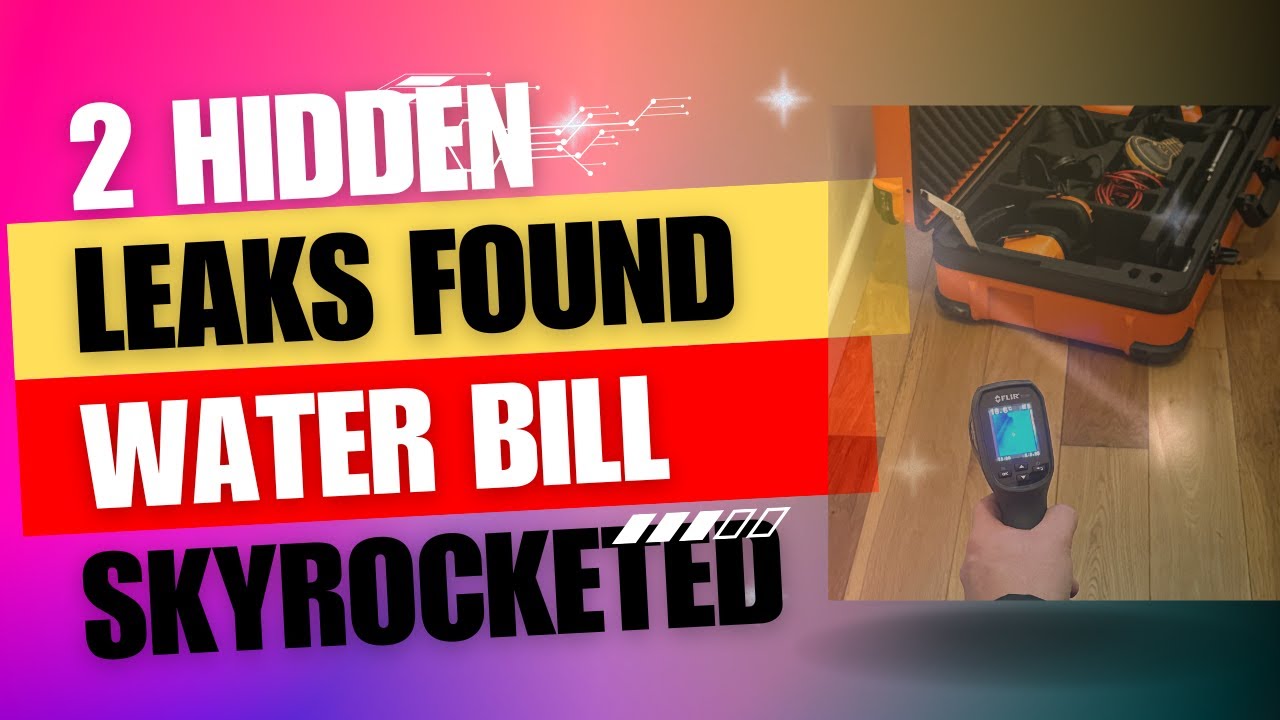
How we found hidden water leaks without damaging your home


The Key Diagnostic Sequence
The most useful way to approach a leaking brick wall is not to begin with a repair.
Start with when the moisture appears. If it follows wind-blown rain, investigate the exterior building envelope. If it remains wet through dry weather, consider plumbing and other persistent moisture sources.
Then determine where water could enter. Inspect mortar joints, brick surfaces, windows, doors, flashing, gutters, downpipes and drainage conditions. Consider plumbing routes on the inside.
Next, establish how the moisture is moving. Water can travel through wall cavities and other building materials, so the visible stain may not be directly beside the entry point.
Finally, confirm the likely cause before repair.
That sequence avoids a common and expensive mistake: repointing or sealing a brick wall when the real problem is leaking plumbing—or opening walls for plumbing repairs when the actual source is wind-driven rain.
If you suspect concealed plumbing rather than an external brickwork defect, MML Plumbing provides professional leak detection across London and North London.
Buying a Home? Know What Plumbing Repairs You May Face
Get a clearer picture of the property’s plumbing before you commit. MML Plumbing can assess accessible systems, explain any concerns we find, and help you plan your next steps. Request a pre-purchase plumbing survey quote.
FAQ
Question not answered? Ask A Question by email
Why does water come through my brick wall only when it rains?
Moisture that appears specifically during or after rainfall often indicates water penetration through the building envelope. Possible entry points include deteriorated mortar joints, cracks, window and door details, flashing, gutters, downpipes or other exterior defects. Wind-blown rain can make the problem particularly noticeable on exposed walls. The internal damp patch does not necessarily identify the exact external entry point because water can travel within the wall.
How can I tell whether a brick wall leak is actually a leaking pipe?
Compare the moisture pattern with the weather and plumbing use. A wall that stays wet during prolonged dry periods, unexplained water-meter usage, repeated heating-system pressure loss or moisture that changes when a bathroom fixture is used can indicate a plumbing source. If it remains unclear, professional testing can help establish whether a plumbing system is losing water before masonry repairs begin.
Can I waterproof or seal a brick wall to stop water coming through?
Not before identifying the cause. A suitable breathable water-repellent treatment can sometimes form part of a masonry solution, but sealant will not repair damaged flashing, gutters, leaking pipes or other defects. An inappropriate impermeable coating can also interfere with moisture movement in some masonry walls. Diagnose and repair the underlying defect first.


