


No guessing. No damage. Just clear answers.
What Does Accuracy Mean in Acoustic Leak Detection?
Acoustic leak detection accuracy involves more than identifying a suspicious sound. An engineer must determine whether the signal is consistent with escaping water, whether it originates from the suspected pipe and how confidently the source can be located.
There is an important distinction between detecting a possible leak and identifying a sufficiently reliable location for repair work. A strong acoustic reading may indicate that water is escaping nearby, but the loudest measurement does not necessarily correspond to the precise defect.
The confidence of an investigation depends on the consistency of readings, the known pipe route, the operating pressure and whether other possible noise sources have been considered.
For this reason, acoustic accuracy should be assessed in terms of the quality of the evidence rather than a single percentage or promised distance.

How Accurate Is Acoustic Leak Detection Technology?
Modern acoustic equipment can identify sound and vibration associated with water escaping from pressurised pipework. Specialist microphones, ground sensors and electronic filters help engineers investigate signals that may be difficult to distinguish through ordinary listening.
The reliability of these measurements depends on how the sound travels through the installation. Metallic pipework generally transmits vibration effectively, while plastic pipes can reduce signal strength and make interpretation more challenging.
Sound may also travel along fittings, pipe supports, and structural materials, meaning a measurement taken away from the defect can sometimes appear stronger than one taken directly above it.
A trained engineer therefore compares several listening positions rather than relying on a single reading.
Our acoustic leak detection service explains how this equipment is applied during investigations of concealed pressurised plumbing systems.
For a more detailed explanation of the technology itself, see how acoustic leak detection works.
Where Acoustic Leak Detection Is Most Accurate
Acoustic leak detection generally produces its most useful results when the suspected defect is active, the pipe remains under suitable pressure and the surrounding conditions allow leak-related sound to reach the listening equipment.
Copper, steel and other metallic pipes often provide favourable conditions because they can transmit vibration over considerable distances. Underground water mains and domestic supply pipes may therefore be suitable for acoustic investigation.
The known position of the pipework is also important. When an engineer can establish the approximate pipe route, measurements can be compared along a more defined search area.
A consistent leak under stable pressure may produce repeatable acoustic patterns, making it easier to distinguish the suspected source from unrelated noise.
However, even under favourable conditions, accuracy can vary. Concrete thickness, pipe supports, soil conditions and nearby plumbing components may affect where the strongest signal is recorded.
A successful investigation is one in which the acoustic evidence is sufficiently consistent to support a justified recommendation for further testing or targeted access.
Our acoustic leak detection FAQs cover additional questions about suitable pipework and operating conditions.

Factors That Reduce Acoustic Leak Detection Accuracy
The accuracy of acoustic testing can decrease when the sound produced by a leak is weak, distorted or difficult to distinguish from surrounding noise.
Small defects do not always produce a strong acoustic signal. The sound depends on the shape of the opening, pressure difference, flow characteristics and surrounding materials, not simply the quantity of water escaping.
Plastic pipes, including MDPE and PEX, can attenuate vibration more strongly than metallic pipework. This may reduce the distance over which useful signals can be detected.
Installation depth and construction also matter. Thick concrete, insulation, loose soil and concealed voids can alter the transmission of sound between the pipe and the listening equipment.
Background interference from road traffic, circulation pumps, ventilation equipment and neighbouring plumbing systems may create additional uncertainty.
Intermittent leaks present another challenge because acoustic measurements may be inconclusive when the defect is not actively passing water.
Where these conditions prevent reliable interpretation, the engineer should recognise the limitations rather than report an unsupported precise location.
Can Acoustic Leak Detection Give a False Location?
Yes. Acoustic testing can produce misleading results when vibration travels through pipework or building materials and becomes stronger at a location away from the actual defect.
For example, a pipe fitting, bend or rigid support may transmit sound differently from a straight section of pipe. An engineer could record a strong signal at that fitting even though the defect is elsewhere.
Mechanical equipment can also generate sounds resembling water movement. Heating circulation pumps, partially closed valves and nearby plumbing installations may produce persistent vibration that requires careful interpretation.
Background noise can sometimes be reduced using electronic filtering, but filtering does not automatically distinguish every genuine leak signal from unrelated interference.
This is why acoustic readings should be compared across multiple locations, under suitable operating conditions, before a conclusion is reached.


How Engineers Verify Acoustic Leak Detection Results
A reliable acoustic investigation involves checking whether the suspected signal behaves consistently with a pressurised water leak.
The engineer considers the known or suspected pipe route, accessible fittings and the operating conditions of the plumbing system. Listening measurements are then compared at different positions to assess changes in sound intensity and character.
Where suitable, isolating parts of the system or changing operating conditions may help establish whether the suspected sound is associated with the relevant pipework.
Repeated readings are particularly important. A signal that appears consistently under similar test conditions provides stronger evidence than an isolated high measurement.
The engineer must also consider whether the signal could be travelling along a pipe or structural element from another location.
When acoustic findings are inconclusive, the investigation may require additional diagnostic evidence rather than immediate excavation.
The objective is not simply to find the loudest point, but to establish the most defensible suspected leak location.
Can Acoustic Leak Detection Pinpoint a Leak Within Centimetres?
Acoustic testing can sometimes narrow a suspected leak location to a small area, particularly where the pipe route is known and strong, consistent signals are available.
However, claiming that every acoustic investigation can identify a defect within a few centimetres would be misleading.
The practical location tolerance depends on the pipe material, depth, surrounding construction, leak characteristics and available listening positions.
For example, a leak in accessible metallic pipework may produce a clearer pattern than a defect beneath a thick concrete slab containing insulation and multiple services.
The strongest acoustic signal may also occur at a fitting or along a sound-transmission path rather than directly above the defect.
Consequently, acoustic results should be expressed as a suspected location or defined investigation area unless the available evidence supports a more precise conclusion.
This distinction is important when planning access through tiled floors, finished walls or structural materials.

Is There a Reliable Percentage for Acoustic Leak Detection Accuracy?
There is no single scientifically defensible accuracy percentage that applies to all domestic acoustic leak detection investigations.
Claims such as 90–95% accuracy can be misleading without specifying how accuracy was measured, the equipment used, the types of pipe tested and the conditions of the investigation.
Detection success and location precision are also different measurements. Identifying that a leak is likely present does not necessarily mean its exact position has been established.
An accuracy figure obtained under controlled conditions may not apply to a concealed domestic installation containing plastic pipework, insulation, concrete and background noise.
A more useful assessment considers whether the readings are repeatable, whether they correspond with the suspected pipe route and whether alternative explanations have been excluded.
For homeowners, the important question is whether the evidence is sufficiently reliable to justify the proposed next step.
Why Operator Experience Affects Accuracy
Acoustic leak detection equipment records signals, but the engineer must determine what those signals mean.
Experience is particularly important when distinguishing genuine leak noise from circulation pumps, flowing water through valves, mechanical vibration and unrelated background interference.
Understanding the construction of the property also matters. Pipe supports, concrete slabs, suspended floors and buried services can change the way sound travels.
An experienced engineer should recognise when the equipment is providing useful evidence and when the results remain uncertain.
This includes knowing when additional listening measurements are justified and when acoustic testing has reached its practical limits.
Good interpretation reduces the risk of recommending access based solely on a misleading reading.

When Acoustic Readings Are Not Conclusive
An inconclusive acoustic investigation does not automatically mean that the plumbing system is free from leaks.
A defect may be present but produce insufficient sound for the available equipment to identify reliably.
This is particularly relevant to low-pressure installations, intermittent leaks, plastic pipework and systems where surrounding construction restricts sound transmission.
Where appropriate, pressure testing may provide evidence about the integrity of an isolated pipe circuit. Other diagnostic methods may also help investigate the suspected defect.
The decision should depend on the symptoms and installation rather than assuming that one technique is always more accurate.
For a dedicated explanation of the differences between technologies, see how acoustic leak detection compares with other leak detection methods.
What Makes Acoustic Evidence Reliable Enough for Targeted Access?
The decision to open a finished floor or wall should be supported by the available evidence and the limitations of the investigation.
Strong evidence may include repeatable acoustic readings, a plausible pipe route, consistent operating conditions and supporting observations that agree with the suspected defect.
Uncertainty should be documented where the signal cannot be confidently separated from other possible sources.
In properties with expensive floor finishes or concealed services, this assessment becomes particularly important because opening the wrong area can increase disruption and reinstatement costs.
Acoustic investigation is intended to reduce unnecessary opening-up work, not eliminate every possibility of further investigation.
Where a defect is identified and exposed, the necessary water leak repairs should be based on the actual pipe condition and the extent of the damage found.
Practical Takeaway: How Accurate Is Acoustic Leak Detection?
Acoustic leak detection can be a reliable method for narrowing down hidden water leaks when sufficient sound reaches the listening equipment.
Its accuracy is generally strongest where the system is pressurised, the leak is active, the pipework transmits sound effectively, and environmental interference is manageable.
However, even high-quality acoustic equipment cannot guarantee an exact location in every property.
The most important factors are the consistency of the readings, the engineer’s understanding of sound transmission and the ability to recognise misleading signals.
Reliable acoustic leak detection depends on repeatable evidence and appropriate interpretation, not a universal accuracy percentage.


How MML Plumbing Assesses Acoustic Accuracy
At MML Plumbing Ltd, we evaluate acoustic findings by considering the pipe material, operating pressure, suspected pipe route and surrounding construction.
Our investigations involve comparing signals at suitable listening locations and assessing whether the readings are consistent with a genuine pressurised water leak.
Where the results remain uncertain, we may recommend further diagnostic testing rather than unnecessary opening-up work.
This approach forms part of our wider non-invasive leak detection investigations, which can include different methods according to the suspected plumbing defect.
Relevant observations and findings can be recorded in an insurance-ready photographic report, with any limitations clearly identified.
The information in this article reflects practical plumbing and leak detection investigations undertaken by MML Plumbing Ltd across North London. Our verified business information is available on our Google Business Profile.
Can a Water Company Report a 508% Increase in Usage When No Major Leak Exists?
An unexpected increase in water consumption does not automatically mean that a concealed pipe has burst. During our Muswell Hill N10 water consumption investigation, a homeowner contacted MML Plumbing after Thames Water reported a 508% rise in usage. We carried out static pressure testing, hydrogen tracer gas testing at approximately 4.2 bar, thermal imaging, acoustic checks and water meter monitoring. The meter remained stationary during testing, and no pressure loss or evidence of a significant concealed leak was identified. Minor plumbing defects were recorded, including a WC filling valve issue that was rectified. Our findings suggested that a meter reading or billing discrepancy was more likely than a major internal water leak, giving the homeowner documented evidence for further enquiries.
Real Leak Detection Examples From London Homes



How MML Plumbing Verifies Acoustic Leak Detection Results
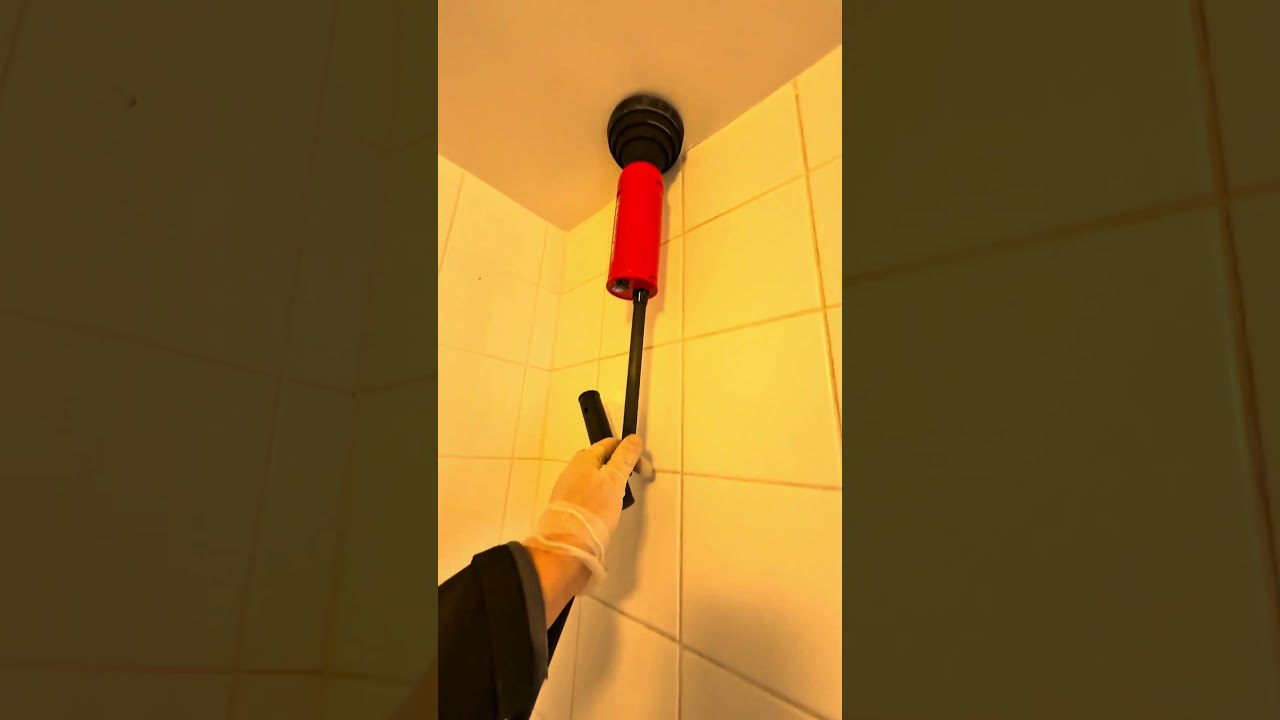
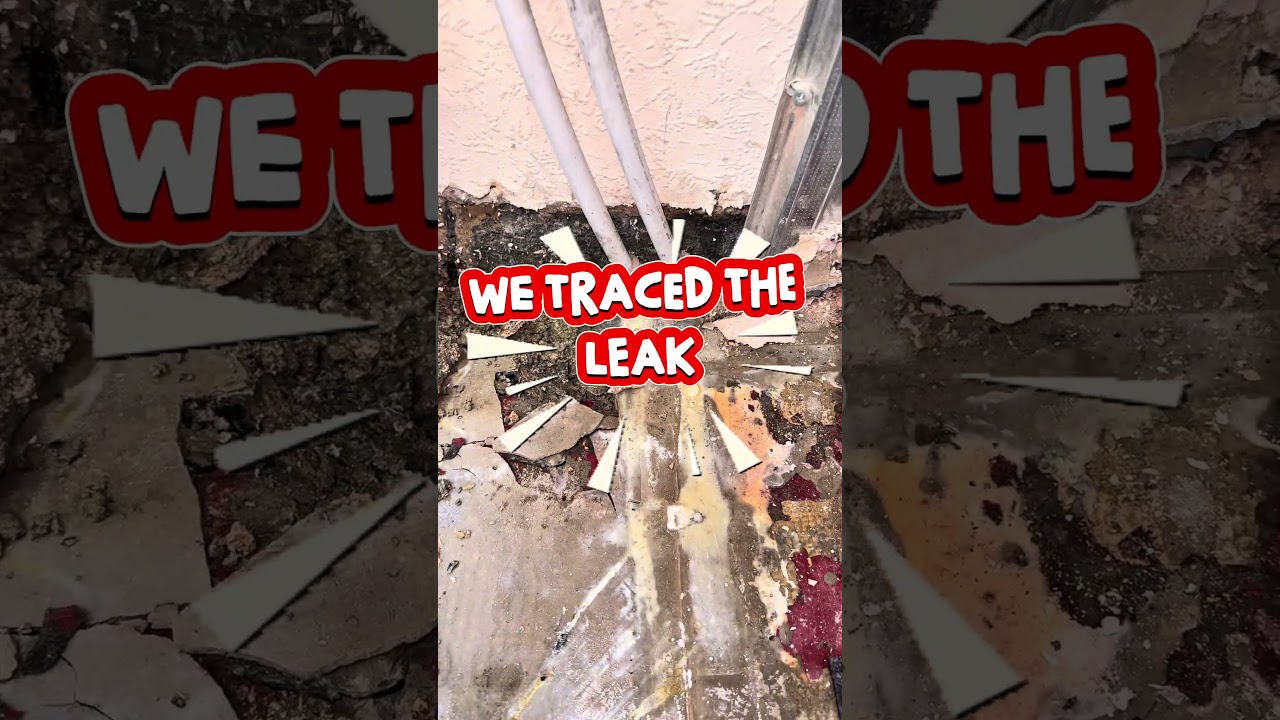
At MML Plumbing, we assess the reliability of acoustic leak detection readings by examining how sound travels through concealed pipework, fittings and surrounding building materials. Our engineers consider water pressure, pipe construction, background interference and repeated listening measurements before identifying a suspected leak location.
Where acoustic signals are unclear or inconsistent, we investigate further rather than relying on a single measurement. Our findings are documented in detailed, insurance-ready photographic reports, helping homeowners, landlords and insurers understand the evidence, any limitations and the recommended next steps before repair work begins.

