
Older properties in London often contain plumbing systems that have been altered, repaired and extended over several decades. Ageing pipes, outdated fittings, poor water pressure and previous installation mistakes can all contribute to plumbing problems that become more expensive if left unresolved.
At MML Plumbing, we regularly investigate plumbing issues in older North London properties, including Victorian terraces, Edwardian houses and converted flats. Many problems are caused not simply by the age of the building but by deteriorating connections, unsuitable materials or alterations made without considering the original plumbing system.
The most common plumbing problems in older properties include leaking pipes, corrosion, low water pressure, faulty toilets, worn-out fittings and poorly installed pipework. Regular inspections, timely repairs and appropriate maintenance can help extend the lifespan of a home’s plumbing system and reduce the risk of unexpected water damage.
This guide explains how to recognise common plumbing faults, what causes them and how to maintain an older property’s plumbing system.
What Are the Most Common Plumbing Problems in Older Houses?
Older houses can develop several plumbing problems as pipes, valves and fixtures deteriorate. Some faults are immediately visible, while others remain concealed until water damage or reduced performance becomes noticeable.
Understanding the warning signs helps homeowners decide whether a straightforward repair is sufficient or whether a more detailed plumbing investigation is necessary.
1. Leaking Pipes and Deteriorating Connections
Leaking pipes are among the most common plumbing problems in older properties. Over time, pipe joints, compression fittings, isolation valves and other connections can deteriorate through corrosion, movement or repeated temperature changes.
A small leak beneath a kitchen sink may be easy to identify, but water escaping from concealed pipework can travel beneath flooring or behind walls before becoming visible.
Warning signs include unexplained damp patches, discoloured ceilings, peeling paint, swollen skirting boards and water stains around pipe connections.
Homeowners should regularly inspect accessible pipework beneath sinks, around toilets and inside cupboards. If a connection is leaking, repairing it promptly can prevent more extensive damage.
For visible plumbing faults, our water leak repair services can help restore the affected pipework.
2. Low Water Pressure in Older Properties
Low water pressure or poor water flow can make showers, taps and other plumbing fixtures difficult to use.
In older houses, restricted water flow may result from corroded galvanised steel pipes, partially closed isolation valves, blocked tap aerators or undersized supply pipework.
However, low water pressure and low water flow are not necessarily the same problem. A property may have adequate incoming pressure but restricted flow because of the condition or size of its pipes.
If only one tap is affected, the problem may be local to that fitting. If several outlets experience poor flow, the cause may be elsewhere in the plumbing system.
Before considering major pipe replacement, a plumber should establish whether the problem originates from the incoming supply, internal pipework or individual fixtures.
3. Corroded and Outdated Plumbing Pipes
Many older UK properties have undergone several plumbing alterations, leaving a mixture of copper, plastic and older metal pipework.
Some houses still contain galvanised steel or lead water supply pipes, while cast-iron components may remain in older waste systems.
Corrosion can gradually reduce the internal diameter of metal pipes, restrict water flow and weaken pipe walls.
Discoloured water, recurring leaks and visible corrosion around fittings may indicate deterioration.
Lead supply pipes require particular attention because lead can contaminate drinking water. If lead pipework is suspected, seek appropriate water-quality advice and consider replacement.
Our professional plumber in London can assess accessible pipework and recommend whether individual repairs or more extensive replacement would be appropriate.
4. Faulty Toilets and Constantly Running Water
Toilet problems are common in older houses, particularly where cistern mechanisms have deteriorated, or replacement parts have been fitted incorrectly.
A toilet that continuously runs into the pan may have a defective flush seal, inlet valve or incorrectly adjusted mechanism.
Other problems include leaking cistern connections, loose pan connectors and damaged isolation valves.
Concealed cisterns can be more difficult to inspect because the components are installed behind panels or fitted bathroom furniture.
If water is escaping onto the floor or affecting the room below, the problem should be investigated promptly.
Replacing a defective component is often more practical than replacing the entire toilet, provided the existing installation remains serviceable.
5. Worn-Out Taps, Showers and Plumbing Fixtures
Taps, shower mixers and other bathroom fittings contain moving parts and seals that deteriorate with regular use.
A dripping tap may require a replacement cartridge or washer, while a shower mixer that no longer maintains a consistent temperature may have a defective internal component.
Older fixtures can also develop corrosion around threaded connections, flexible hoses and isolation valves.
Regular cleaning helps maintain their appearance and performance, but worn internal components eventually require repair or replacement.
When replacing fixtures, it is important to check compatibility with the existing plumbing system, including the available water pressure and flow rate. If a tap needs replacing, our guide explains how much a plumber charges to change a tap in London.
6. Blocked Sinks and Slow-Draining Waste Pipes
Slow drainage is another frequent problem in older properties.
Kitchen sink waste pipes can accumulate grease, food particles and soap residue, while bathroom wastes may become restricted by hair and other debris.
Older waste installations can also contain unsuitable pipe gradients, excessive bends or poorly supported pipework.
A simple blockage may be cleared using appropriate household methods, but repeated problems can indicate an underlying installation defect.
Avoid relying on aggressive chemical drain cleaners, particularly where pipe materials and conditions are unknown.
Never mix drain-cleaning chemicals, as dangerous reactions can occur.
Persistent drainage problems may require a specialist drainage contractor, particularly where the issue affects underground drains or the external sewer system.
7. Poorly Installed or Unsupported Pipework
Not every plumbing problem in an older house is caused by ageing materials.
Previous renovations may have introduced incorrectly supported pipes, unsuitable fittings or poorly planned connections.
Unsupported pipework can move when water flows or when temperatures change, placing unnecessary stress on joints.
Incorrectly installed fittings may also leak repeatedly, particularly where pipes are misaligned or connections have been overtightened.
A common example is a compression fitting that has been tightened excessively, damaging the olive or connection rather than creating a reliable seal.
Professional installation, suitable pipe supports and correct fitting selection help prevent recurring plumbing faults.
8. Plumbing Problems Caused by Previous DIY Repairs
Older properties often contain plumbing work completed by previous owners or contractors.
Some alterations may have been carried out correctly, while others can create problems that remain unnoticed for years.
Examples include incompatible fittings, poorly secured flexible hoses, inaccessible isolation valves and pipework installed without sufficient support.
These faults can make future repairs more complicated because the original installation may no longer follow a consistent layout.
If a plumbing problem repeatedly returns after repair, it is worth investigating whether the underlying installation is contributing to the fault.
Our plumbing installation services include pipework alterations and replacement of unsuitable plumbing components.

How Can You Extend the Lifespan of an Older Plumbing System?
Maintaining an older plumbing system does not necessarily mean replacing every pipe or fitting.
Many installations can continue operating reliably when they are inspected, maintained and repaired appropriately.
The most effective approach is to identify developing problems early and address the underlying cause rather than repeatedly carrying out temporary repairs.
Inspect Accessible Pipework Regularly
Check visible plumbing connections beneath sinks, behind accessible toilet panels and around hot-water cylinders.
Look for corrosion, moisture, staining or evidence of previous leaks.
A dry connection should not normally show signs of active water escape.
If you discover moisture, identify whether it comes from the pipework, condensation or another nearby source before attempting repairs. If the source is unclear, our guide explains how to find out where a water leak is coming from.
Maintain Taps and Bathroom Fixtures
Regularly clean tap aerators and showerheads to prevent mineral deposits from restricting water flow.
Inspect shower hoses, flexible connections and visible seals for deterioration.
Replace defective cartridges, washers and valves when necessary.
A small dripping tap may appear insignificant, but continued water wastage and deterioration can eventually make replacement more expensive.
Avoid Excessive Water Pressure
Excessively high incoming water pressure can place additional stress on plumbing fittings, flexible hoses and appliance connections.
Where incoming pressure is unsuitable, a correctly selected pressure-reducing valve may be appropriate.
However, pressure should be measured before making changes.
Do not confuse domestic water supply pressure with the pressure inside a sealed central heating system. These are separate systems with different operating requirements.
Heating system pressure should remain within the manufacturer’s recommended range. Homeowners should not operate or adjust safety relief valves as a routine pressure-control method.
Protect Exposed Pipes During Winter
Water inside exposed pipes can freeze during prolonged cold weather.
When water freezes, the resulting expansion and pressure can damage pipework or fittings.
Pipes located in unheated lofts, garages and other exposed areas should have suitable insulation.
Outdoor taps and associated pipework may also require appropriate frost protection.
If a pipe freezes, avoid using naked flames or excessive direct heat to thaw it.
Prevent Damage to Plumbing Connections
When carrying out home improvements, avoid placing unnecessary strain on existing pipework.
Moving cabinets, replacing sinks or altering bathroom furniture can disturb connections that have remained untouched for years.
Flexible hoses should not be excessively stretched, twisted or kinked.
Pipe fittings should be installed according to the manufacturer’s instructions rather than simply tightened as much as possible.
Correct installation helps protect joints and reduces the likelihood of future leaks.
Maintain Toilets and Waste Connections
A toilet that continuously runs into the pan can waste a considerable amount of water.
Check that the cistern fills and shuts off correctly after flushing.
Inspect accessible connections for signs of moisture and ensure the toilet remains securely fixed.
Avoid flushing wipes, sanitary products or other unsuitable materials.
Kitchen sinks should also be protected from excessive grease and food waste entering the waste pipework.

Should You Replace Old Plumbing Pipes or Repair Them?
One of the most common questions homeowners ask is whether ageing plumbing should be repaired or completely replaced.
The answer depends on the pipe material, condition, accessibility and history of previous failures.
A single leaking copper connection does not automatically mean the entire plumbing system needs replacing.
However, repeated leaks across several sections of deteriorating pipework may indicate that individual repairs are no longer the most economical solution.
Replacement may be worth considering when pipes are severely corroded, contain lead, have inadequate capacity or have developed recurring failures.
A professional assessment should consider the condition of the installation rather than recommending complete replacement solely because the property is old.
Can Plumbing Problems in Older Houses Cause Hidden Water Damage?
Yes. Older properties may contain concealed plumbing beneath timber floors, inside walls or below concrete surfaces.
A small leak can remain unnoticed for an extended period, particularly when water travels away from the original fault.
For example, a leaking pipe beneath floorboards may cause staining on a ceiling below without producing visible moisture directly above the affected area.
Similarly, water escaping from a bathroom connection can spread beneath tiles or flooring before becoming apparent elsewhere.
If the source cannot be identified through normal plumbing inspection, a more detailed investigation may be necessary.
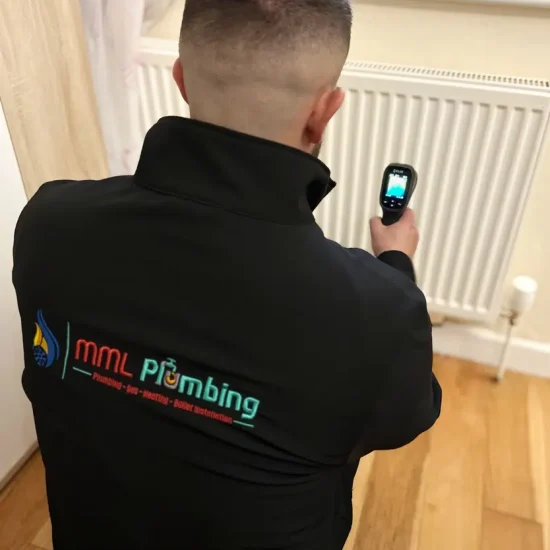
MML Plumbing provides non-invasive leak detection for concealed water leaks, using appropriate diagnostic methods to help establish the likely source before unnecessary opening-up work.
How Often Should Plumbing Be Inspected in an Older Property?
There is no single inspection interval suitable for every property.
The appropriate frequency depends on the age and condition of the plumbing system, previous repairs and whether recurring problems have been reported.
Homeowners can periodically inspect accessible connections, taps, toilets and exposed pipes for visible deterioration.
Properties with a history of leaks, corroded pipework or unexplained water pressure problems may benefit from a professional plumbing assessment.
An inspection is also worth considering before major bathroom renovations or other building work that could disturb existing plumbing.
If you are purchasing an older property, a pre-purchase plumbing survey can help identify accessible plumbing defects and potential maintenance requirements before you commit to expensive alterations.

When Should You Call a Professional Plumber?
Some maintenance tasks, such as cleaning tap aerators or checking visible pipe connections, are straightforward.
However, persistent leaks, recurring pressure problems, corroded pipework and repeated plumbing failures require more detailed investigation.
You should consider professional assistance when water damage is developing, isolation valves are defective, pipework requires replacement or the cause of a problem remains uncertain.
Attempting repairs without understanding the installation can sometimes create additional faults.
At MML Plumbing, our plumbers assess the symptoms, inspect the relevant plumbing components and recommend repairs appropriate to the condition of the system.
Professional Plumbing Repairs and Maintenance in North London
MML Plumbing Ltd is a family-run plumbing company based in Barnet, providing plumbing repairs, installations and maintenance across North London.
We regularly work with plumbing systems in older houses, converted flats and properties that have undergone several renovations.
Our services include repairing leaking pipes, replacing faulty valves, installing new pipework, repairing toilets, replacing taps and carrying out wet-side heating repairs.
We cover Barnet, Finchley, Muswell Hill, Highgate, Hampstead, Crouch End, Palmers Green, Southgate and surrounding areas.
Whether your property has deteriorating pipework, recurring leaks or outdated plumbing fixtures, our experienced plumbers can assess the problem and explain the available repair options.
We don’t guess. We prove. Then we fix.
For professional plumbing services in North London, contact MML Plumbing.
Request a Plumbing Quote or call us.
Buying a Home? Know What Plumbing Repairs You May Face
Get a clearer picture of the property’s plumbing before you commit. MML Plumbing can assess accessible systems, explain any concerns we find, and help you plan your next steps. Request a pre-purchase plumbing survey quote.
Frequently Asked Questions About Plumbing Problems in Older Properties
Question not answered? Ask A Question by email
What Are the Most Common Plumbing Problems in Old Houses?
Common problems include leaking pipes, corroded fittings, low water pressure, faulty toilets, dripping taps and poorly installed connections.
Older properties may also contain outdated pipe materials or plumbing alterations completed during previous renovations.
The seriousness of a problem depends on the condition of the affected components rather than the age of the property alone.
How Long Should Plumbing Pipes Last in an Older House?
The lifespan of plumbing pipes depends on the material, water quality, installation conditions and maintenance history.
Copper and suitable plastic pipework can remain serviceable for many years when installed correctly.
However, corrosion, movement, unsuitable fittings and repeated repairs can shorten the lifespan of individual sections.
Rather than relying solely on the age of the pipes, a plumber should assess their actual condition before recommending replacement.
Is It Worth Replacing All the Plumbing in an Old House?
Complete replacement is not always necessary.
If the existing pipes are in good condition and problems are limited to individual fittings, targeted repairs may be sufficient.
However, extensive corrosion, lead supply pipes or repeated leaks throughout the property may justify more substantial replacement work.
The decision should consider the condition of the system, accessibility and long-term cost.
How Can I Prevent Plumbing Leaks in an Older Property?
Regularly inspect accessible pipes, valves and fittings for signs of moisture or corrosion.
Repair dripping taps, leaking toilets and damaged connections promptly.
Protect exposed pipes from freezing and avoid placing unnecessary strain on existing fittings during renovations.
Where leaks repeatedly occur, investigate the underlying cause rather than relying on temporary repairs.
Can Poor Water Pressure Mean My Plumbing Pipes Need Replacing?
Poor water pressure does not automatically mean the pipes need replacing.
The problem may originate from a partially closed valve, blocked tap aerator, restricted supply pipe or another plumbing component.
Older galvanised pipes can develop internal corrosion that restricts water flow, but this should be established through appropriate investigation.
A plumber can assess the water supply and recommend whether cleaning, repairing or replacing components is necessary.


