
No guessing. No damage. Just clear answers.
The problem with the property
The homeowner in Tottenham initially reported ongoing boiler pressure issues and extensive dampness affecting multiple areas of the property.
Because moisture was present throughout several rooms, there was concern that a concealed leak beneath the floors or within the walls might be allowing water to escape undetected, so the visit was approached as a proper damp investigation by a damp specialist with leak-detection expertise.
The purpose of the investigation was to determine whether the heating system or domestic water services were responsible for the damp problem and to identify the most likely source of moisture affecting the property, to understand how moisture moves through the building and to separate broader damp issues from leaking pipes without unnecessary disruption.

Initial Property Assessment
The first stage of the investigation involved a full visual inspection, a structured damp survey, moisture mapping, and thermal imaging surveys using thermal imaging cameras and infrared cameras. We checked visible signs, including damp patches, tide marks, mould growth, and musty odours, then supported those findings with moisture meters while allowing for how conductive materials can affect readings.
Almost immediately, it became apparent that the moisture issue was not isolated to one room or one plumbing route, although there was understandable concern about leaking pipes beneath floors or within internal walls as a suspected cause. We also assessed high humidity, air temperature, dew point, surface temperatures, surface conditions, and how water vapour was behaving around cold surfaces and cold corners, especially where poor ventilation can make condensation worse.
Instead, damp conditions were affecting multiple areas throughout the property.
This distinction was important because hidden plumbing leaks typically produce localised moisture patterns. The damp observed here appeared much broader and more consistent with a building-wide moisture issue, so the role of the damp specialist and damp surveyor was to trace how moisture moves through the property, with each damp patch assessed in context, to identify the real source of the damp issues. The investigation formed part of a comprehensive leak detection and moisture investigation designed to rule out concealed plumbing defects before further remedial works were considered.
For similar real-world examples involving damp, water ingress, condensation, and concealed leak investigations, visit our case studies page.
Kitchen Investigation
The kitchen displayed some of the highest moisture readings recorded during the survey, and the initial visual inspection looked for visible signs such as tide marks, mould growth and musty odours before moisture mapping and thermal imaging.
Thermal imaging revealed cold, wet floor areas and significant moisture accumulation within the lower sections of the damp walls. Moisture meters were used as indicators only, as pin-type readings can be distorted by conductive materials and need contextual interpretation.
Damp was visibly rising from floor level and extending upward through the wall surfaces. Instead, damp conditions were affecting multiple areas throughout the property. Where needed, hygrometers and data logging can monitor air temperature, surface temperatures and relative humidity over time to assess condensation risk, including whether high humidity, excess moisture and water vapour may be air condensing on cold surfaces as air cools toward the dew point under certain surface conditions.
Further inspection identified sections of flooring beginning to deteriorate, suggesting that moisture exposure had been occurring over a prolonged period rather than being caused by a recent plumbing fault. In kitchens, poor ventilation and ineffective extractor fans can also contribute to localised damp patches.

Bathroom Investigation
The bathroom also displayed elevated moisture levels.
Thermal imaging identified damp floor surfaces and moisture penetration within the lower sections of the walls. In bathrooms, this kind of surface damp is often condensation from water vapour, which forms when warm, moist air meets cold surfaces.
Although the room showed clear signs of dampness, no active plumbing leaks were identified within the accessible pipework or fittings, and we also consider whether poor ventilation or inadequate extraction allows excess moisture to persist, which is why extractor fans form part of the assessment in bathroom areas.
Hallway Investigation
The hallway provided some of the clearest evidence of rising damp, with a damp wall affecting lower areas in a way that warranted a closer, widespread damp investigation in Tottenham N17, identifying the real source of moisture.
Skirting boards and lower wall sections had been significantly affected, with visible tide marks and salt deposits suggesting prolonged exposure to ground moisture. Bathrooms are also prone to condensation where poor ventilation or insufficient extractor fans allow high humidity to build up on cold surfaces.
Evidence of previous repair works and replastering could also be seen, indicating that moisture problems had existed historically within the property, including signs of earlier rising damp treatment to internal walls.
The damp pattern was consistent with moisture migrating upward from ground level rather than escaping from a pressurised plumbing system, pointing to defects around the damp proof course and damp proof courses, potentially worsened by high external ground levels, rather than a single damp patch, and confirming that improving ventilation is an important way to reduce this type of moisture where no active leak is found.
Bedroom Investigation
Several bedroom walls showed similar moisture movement. We also noted lower-wall tide marks, yellowish staining, and some previous repairs, which can point to earlier rising damp treatment.
Thermal imaging identified damp patterns rising from floor level upward through the wall structure.
Although not every wall was affected equally, the distribution of moisture supported the theory of widespread damp ingress rather than a single concealed plumbing defect, while also helping rule out condensation linked to air condensing as air cools on cold surfaces in cold corners, where mould growth, damp patches, and moisture on a cold surface are more often driven by high humidity, poor ventilation, water vapour, drying clothes indoors, drying clothes, heating patterns, and other lifestyle factors; by contrast, this pattern typically relates to ground moisture and a compromised or bridged damp-proof course, with rising damp usually showing a tide mark up to around 1.5 metres high.


Damp Survey Investigation Methods Used
To establish whether a hidden leak existed, we carried out:
- Thermal imaging surveys using thermal imaging cameras and infrared cameras
- Moisture meter testing as part of a structured damp survey, with moisture meters used alongside visual checks
- Acoustic leak detection
- Hydrogen tracer gas testing
- Visual inspection of accessible plumbing systems by a damp specialist and experienced damp surveyor, including checks on air temperature, surface temperatures, dew point, ventilation systems, and whether high humidity was contributing to condensation rather than a leak.
- Targeted timber surveys were needed.
In bedrooms, condensation can also form in cold corners or poorly ventilated areas, depending on lifestyle factors and heating patterns. Drying clothes indoors and low insulation can increase humidity and make cold surfaces more prone to condensation; improving insulation also reduces temperature differences that cause condensation.
The investigation was completed without any destructive opening works.
What the Investigation Revealed About Mould Growth
As testing progressed, a consistent pattern emerged.
The damp conditions throughout the property shared several characteristics:
- Moisture is concentrated at lower wall sections on internal faces and near external walls
- Damp rising from floor level, with patterns assessed against rising damp penetrating indicators
- Similar moisture patterns across multiple rooms, including around some chimney breasts
- No localised moisture concentrations are associated with pipe routes or a single damp patch
- Long-term deterioration of flooring and finishes, with salt deposits and damp patches helping distinguish penetrating damp from other damp issues
- Moisture meters were used to help show how moisture moves through the structure and where water movement was affecting finishes.
Thermal imaging cameras were used alongside these checks and other methods, not in isolation.
Where condensation was suspected, hygrometers and data logging were used to monitor air temperature, humidity and dew point over time, supported by a damp diary if required.
These findings were not consistent with a concealed heating pipe leak.
Instead, they pointed towards broader damp problems affecting the building fabric itself, showing how moisture moves through the property rather than from a single leak source, and additional invasive checks such as timber surveys were not required at this stage.

Potential Sources of the Rising Damp
Based on the evidence collected, the most likely causes included:
- Rising damp from ground moisture at ground level
- penetrating damp linked to leaking gutters, cracked render, and defects affecting the external walls
- Defective underground drainage influenced by water pressure
- Water accumulation beneath the floor structure, including restricted airflow to floor voids from blocked air bricks
- Moisture bridging caused by high external ground levels and poorly maintained air bricks
The observed pattern was more consistent with rising damp or penetrating damp than with a localised pipe leak.
Drainage pipework was present along the sides of the property, and rainwater gullies were also noted externally.
As testing progressed, a consistent pattern emerged. The aim was to understand water movement and how moisture travels through the building, rather than relying on one symptom alone.
If underground drainage systems become displaced, cracked or defective, water can accumulate beneath the property and contribute to widespread damp conditions over time.
This became the primary area requiring further investigation.
Heating System Assessment
During preparation for tracer gas testing, the heating system showed signs of long-term corrosion and a lack of maintenance.
The water contained significant rust deposits and debris. Visual inspections can also help identify external causes of a damp problem, such as cracked render, leaking gutters, broken roof tiles, or high external ground levels that allow penetrating moisture to track into the structure.
A noticeable gas odour was also present within the system. External walls, air bricks, and floor void ventilation should also be checked, as blocked air bricks and poor ventilation can worsen ground moisture problems, and unblocking ventilation can help manage damp issues effectively.
These findings suggested internal corrosion and sludge accumulation rather than active leakage, although leaking pipes still need to be ruled out properly as part of a full diagnosis.
Such conditions can sometimes contribute to pressure fluctuations and air accumulation, leading homeowners to suspect a leak when the underlying issue is a poor system condition. If below-ground water pressure is confirmed, tanking may be considered as a heavy-duty waterproofing option after the source is properly diagnosed.

Outcome
The investigation successfully established that the widespread dampness affecting the property was unlikely to originate from the heating system, hot water pipework or cold water services.
Instead, the evidence pointed towards moisture entering the property from external or structural sources, reinforcing the need for a proper damp survey by qualified damp specialists.
The moisture patterns identified throughout the kitchen, bathroom, hallway and bedrooms were consistent with rising damp and possible underground drainage defects, rather than internal plumbing-related damp issues alone.
The investigation therefore, narrowed the root cause to the areas most likely to be responsible, giving a damp specialist a clear route to assess related damp problems and any compromised damp-proof measures during the next stage of investigation, while recognising that pressure loss or air in the system can mimic leaking pipes even when the wider damp problem has a different source.
Damp Proofing Recommendations
- Arrange a CCTV drainage survey to assess underground drainage pipework.
- Inspect external rainwater management systems, including checking for blocked air bricks and whether the damp-proof course has been bridged externally.
- Investigate potential drainage displacement beneath the property and review whether existing air bricks support airflow beneath the building fabric.
- Carry out a full heating system clean and inhibitor treatment.
- Monitor moisture levels following any drainage repairs, and assess whether ventilation systems, trickle vents, and extractor fans are helping reduce ongoing condensation.
- Consider specialist damp-proof measures once the source of moisture ingress has been addressed. This root-cause approach reflects the same method used to resolve over 2,000 damp issues last year.


Investigation Summary
Location: Tottenham, North London (N17)
Investigation Type: Damp Investigation & Non-Invasive Leak Detection Survey
Primary Finding:
A structured damp survey identified widespread damp conditions affecting multiple rooms and confirmed that multiple damp issues were present.
Most Likely Cause:
Rising damp, penetrating damp linked to external water ingress, and possible underground drainage defects.
Methods Used:
- Thermal Imaging
- Moisture Mapping
- Acoustic Leak Detection
- Hydrogen Tracer Gas Testing
- Visual Plumbing Inspection
Recommendations:
- Inspect below-ground drainage and rainwater goods to rule out hidden defects contributing to moisture ingress.
- Inspect or reinstate ventilation systems such as trickle vents, extractor fans and air bricks where relevant.
- Continue moisture monitoring over time and keep a damp diary to track changing patterns.
- Where remedial damp-proofing is confirmed by follow-up testing, consider appropriate treatment with a 20-year guarantee if available.
Outcome:
The investigation narrowed the moisture source to external or structural causes and established the next steps required to determine the precise origin of the damp affecting the property.
Real Leak Detection Examples From North London Homes



Real Investigations from the Field
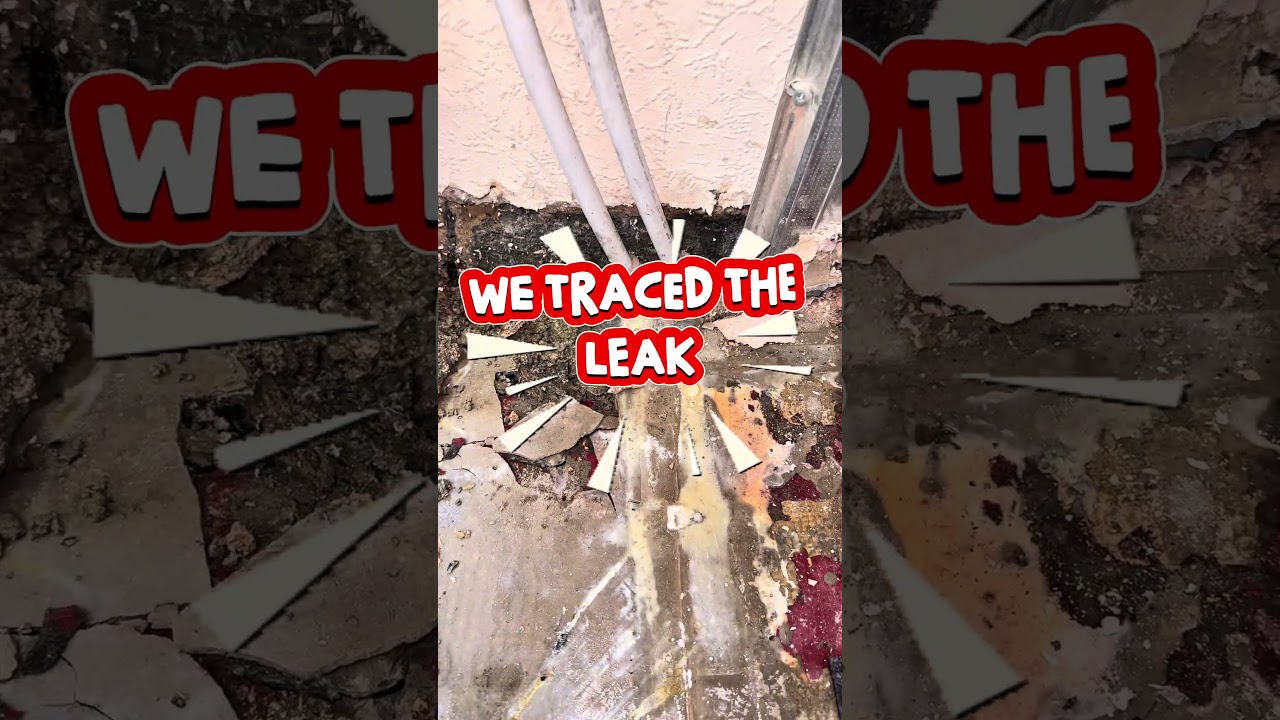
This section documents real investigations carried out by MML Plumbing across London properties. Each record explains the original symptoms, the tests performed, what was ruled out, and the verified cause before any repair decisions were made.
Our aim is not to present finished work, but to show the diagnostic process behind it — how evidence is gathered, how water paths are confirmed, and why certain remedial actions are recommended. By reviewing these investigations, property owners can understand how leak detection works in practice and how accurate identification prevents unnecessary repairs.


We Find the Leak Before It Finds You – Book Expert Detection Today
Frequently Asked Questions
Question not answered? Ask A Question
Why can widespread damp appear when the plumbing system is not the source?
Widespread damp can appear even when the plumbing system is not responsible because moisture may be entering the property from the ground, external walls or underground drainage defects. In this Tottenham investigation, damp was found across multiple rooms, with moisture rising from floor level and affecting lower wall sections, skirting boards and flooring.
That pattern is different from a typical pressurised pipe leak, which usually creates a more localised moisture trail near the damaged pipe. Thermal imaging and moisture mapping showed broad damp movement rather than one clear plumbing leak path. This is why the investigation focused not only on heating and water pipework, but also on the possibility of rising damp, rainwater ingress and defective drainage beneath or around the property.
How can hydrogen tracer gas testing help rule out a hidden heating leak?
Hydrogen tracer gas testing helps assess whether a concealed heating pipe is leaking by filling the system with safe tracer gas and monitoring for escaping gas around radiators, pipe routes, skirting boards, ceiling drops and suspected damp areas. If a hidden leak is present, the gas can escape through the defect and be detected with specialist equipment.
In this case, the heating system was tested thoroughly, and the hydrogen bottle gauge remained stable throughout the investigation. No tracer gas was detected escaping from within the property. This supported the conclusion that the moisture problem was not being caused by a hidden heating system leak, allowing the investigation to move toward external water ingress and possible drainage-related causes.
Can a blocked or damaged drain cause damp inside a property?
Yes, a blocked, cracked or displaced drain can contribute to damp inside a property, especially if water collects beneath floors or around foundations. Rainwater gullies and drainage pipes can allow water to escape underground if they are damaged, poorly connected or displaced.
In this Tottenham case, drainage pipework was present around the property, and the damp pattern was consistent with moisture rising from ground level. The investigation recommended a CCTV drainage survey because underground drainage defects can be hidden from view and may not show as a plumbing leak during internal pipe testing. Checking the drainage system is often the next logical step when moisture is widespread, long-term and concentrated at the floor and lower wall level.
Why can a corroded heating system cause pressure problems without a pipe leak?
A corroded heating system can contribute to pressure problems because rust, sludge and trapped gases can affect circulation and create air pockets inside the system. These symptoms may look like pressure loss, even when no pipework leak is present.
During this investigation, the heating water contained heavy rust, debris and gas build-up, suggesting the system had not been properly cleaned or protected for some time. Internal corrosion can produce unwanted gases and micro-bubbles, which may affect pressure stability and system performance. That is why the recommended next step included a full heating system clean, sludge removal and corrosion inhibitor treatment, alongside a separate CCTV drainage inspection for the wider damp issue.

