


Over 15 years of experience
The Challenge
A North London homeowner had recently installed a new combi boiler and completed a full power flush on their central heating system. But within days, the boiler began losing pressure rapidly — sometimes dropping 1 bar in under 10 minutes.
Soon after, moisture marks appeared on the bathroom wall, spreading upward from the floor, while damp patches started to show in the living room. The homeowner also heard hissing noises beneath the concrete floor, a common early sign of a hidden water leak.
Because the property had a pressurised underfloor heating system, any investigation required non-invasive precision. Traditional methods like drilling or lifting tiles could have caused costly damage to the flooring, insulation, or heating loops.
That’s when MML Plumbing’s leak detection experts in North London were called in — to locate the hidden central heating leak accurately, protect the property, and deliver a trace-and-access report suitable for the homeowner’s insurance claim.
See How We Found This Leak Without Any Damage



The Leak Detection Process
To identify the cause of the boiler losing pressure and visible damp patches, MML Plumbing’s leak detection experts in London performed a comprehensive, non-invasive central heating survey using specialised leak detection equipment.
Our goal was to locate the exact source of the water leak underground without lifting the floors or disrupting the underfloor heating system.
Here’s how we found it:
- Moisture mapping: Using professional moisture meters, our engineers confirmed elevated readings in the bathroom wall and living room floor, identifying the areas where water ingress was most active.
- Thermal imaging: High-resolution thermal cameras revealed cold spots and temperature inconsistencies beneath the tiles, clear signs of water spreading across the ground floor.
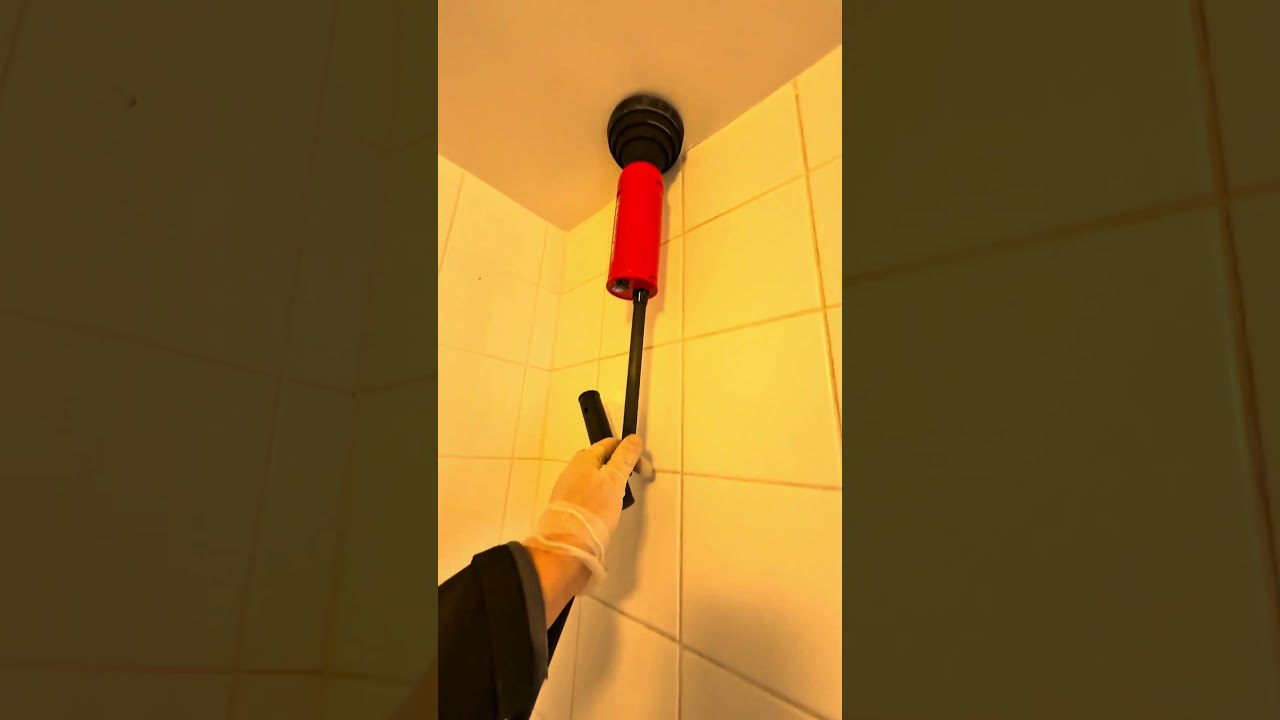
- Acoustic detection: By listening through the surface with acoustic sensors and digital microphones, we detected a consistent leak signature near the bathroom vanity — confirming a pressurised pipe leak under the slab.
- Dye and tracer testing: To verify the findings, we carried out a dye test through the pipework, tracking coloured water through the system to confirm two separate leaking sections.
- Gas tracer verification: A final hydrogen–nitrogen gas test confirmed the results and helped us pinpoint the leaks within millimetres — all completed without damage or excavation.
By combining thermal imaging, acoustic listening, and gas tracer systems, we successfully located two hidden leaks in the central heating system under the bathroom and living room.
This multi-method, non-destructive process ensured minimal disruption, prevented unnecessary floor removal, and provided accurate results suitable for insurance reporting.

Result: Both leaks were repaired efficiently, the boiler pressure stabilised, and the homeowner received a full trace and access leak detection report, complete with thermal and moisture evidence photos for their insurance company.
How We Find and Fix Hidden Leaks Fast – Trusted Leak Detection in North London:
From the moment you get in touch, we move quickly to help. Our experienced engineers use the latest non-invasive technology, like acoustic testing and thermal imaging, to track down hidden leaks — all without causing any mess or damage to your home or business. It’s why so many homeowners and businesses across North London trust us for fast, reliable leak detection.
1
Call us to book your leak detection
Speak with our friendly team and schedule a convenient appointment. We work around your timing to get help to you fast.
2
Fast On-site leak assessment
Our trusted engineer arrives on time, ready to assess your property quickly and start finding the source of the leak without delay.
3
Non-invasive leak detection
We use advanced equipment like thermal imaging, acoustic sensors, moisture meters, smoke testing, hydrogen gas tracing, and borescope cameras to find hidden leaks — all without damaging your walls, floors, or ceilings.
4
Detailed leak detection report
Once we locate the leak, we document everything with clear photos and videos. You’ll receive a full, detailed report — ideal for insurance claims and your peace of mind.
5
Repair scheduling and full insurance support
Once the leak is found, we’ll help you arrange the necessary repairs and provide full support with your insurance claim, making the process as smooth and stress-free as possible.

Repairs & Resolution
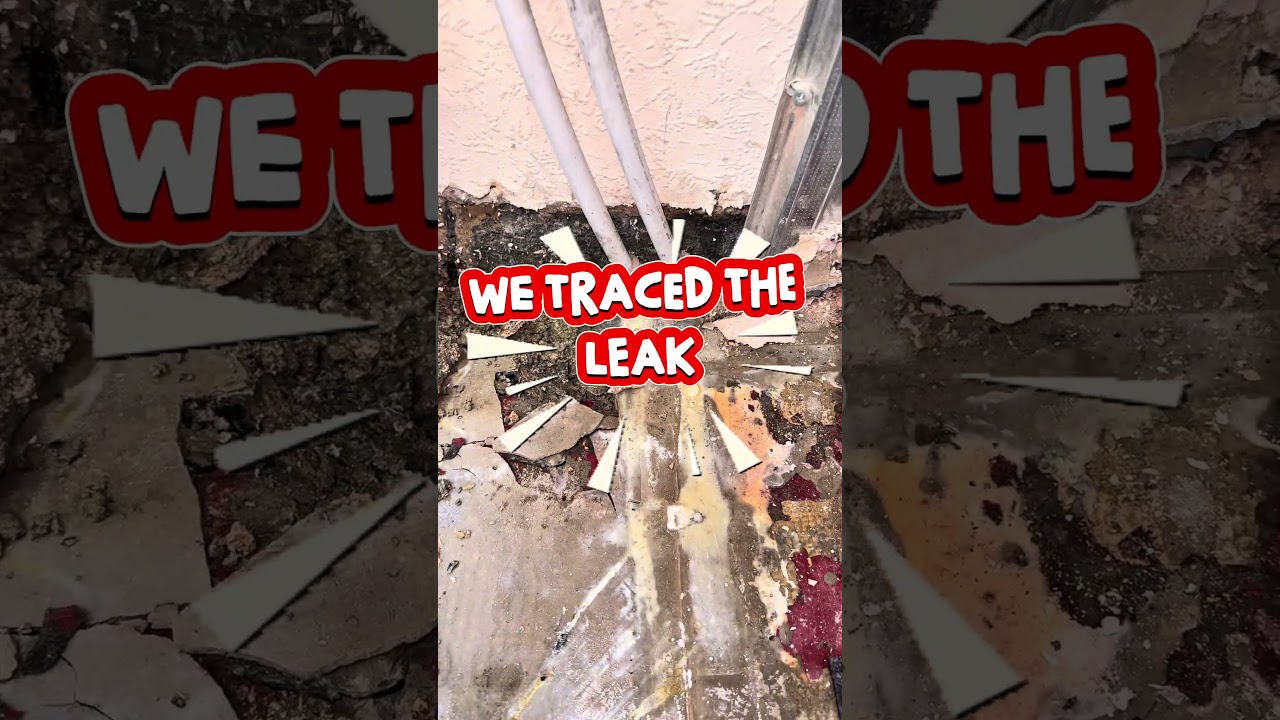
The first leak was found beneath the bathroom tiles. After carefully removing the floor covering and breaking a section of screed, we exposed a 15mm copper heating pipe that had corroded. The corrosion was traced back to flux residue left from the original installation, which had not been properly flushed. Over time, this caused oxidation and a pinhole leak.
During further pressure testing, the boiler continued to lose pressure. Expanding the search into the hallway, we uncovered a second leak. Here, a 15mm hot water pipe had developed a small hole, spraying water onto a nearby 22mm heating pipe. The constant spray had already begun eroding the larger pipe.
Both damaged sections were cut out and replaced with new copper pipework, soldered and flushed correctly. We re-insulated the system and ensured all joints were secure. Once the repairs were complete, we carried out full pressure tests — the boiler pressure remained stable with no further drops detected.
Finally, we restored the concrete floor using rapid-drying compounds and advised the homeowner to allow four weeks for natural drying before reinstating the timber flooring and finishes.
The Results
By using advanced boiler leak detection methods across the central heating system, MML Plumbing’s leak detection experts in North London identified and repaired two hidden leaks quickly and cleanly.
Our non-destructive approach combined thermal imaging cameras, acoustic listening devices, moisture meters, and tracer gas systems to locate the exact source of the leaks under the ground-floor concrete and tiled surfaces — with minimal disruption to the property.
See Our Findings In Picture


As a result, we:
- Stopped the boiler from losing pressure and stabilised the full central heating system.
- Prevented further water ingress into walls, subfloors, and insulation — avoiding long-term structural harm, mould, and corrosion.
- Saved the homeowner thousands in expensive repairs to damaged pipes, floors, and plaster.
- Issued an insurance-ready trace and access report with photographic and thermal imaging evidence, accepted by all major UK insurance companies.
- Provided a cost-effective solution with no hidden fees, protecting both residential and commercial clients.
The heating system is now operating at stable boiler pressure, with no signs of damp patches or cold spots. Our inspection confirmed no residual moisture or risk of future leaks.
This project showcases how professional leak detection services in London can find and fix hidden leaks under floors or behind walls without unnecessary damage, offering peace of mind and lasting protection for all our customers.

Why Choose MML Plumbing?
- 15+ years’ experience in leak detection and plumbing
- Non-invasive detection methods (thermal imaging, acoustic sensors, tracer gas)
- Insurance-approved reports
- 5-star rated engineers trusted across North London
- Same-day, fixed-price surveys available ( *subject to availability)
We detect leaks precisely — without the mess or damage.

How we found hidden water leaks without damaging your home


Other Reasons Your Boiler Might Be Losing Pressure
It’s not always a hidden leak that causes a boiler to lose pressure. In North London homes, we often find other culprits too:

- Faulty pressure relief valve (PRV): If the PRV is stuck or damaged, it can release water from the system, slowly dropping pressure.
- Air in the system: After a new installation or power flush, trapped air pockets can reduce pressure and cause uneven heating.
- Radiator bleed: If radiators were recently bled, system water levels may drop until the boiler is topped up again.
- Expansion vessel failure: A worn or flat expansion vessel can’t absorb water pressure changes, forcing pressure to escape through the PRV.
- System corrosion: Over time, rust and sludge build-up inside heating pipes weaken joints and valves, making the system prone to pressure loss.
At MML Plumbing, we don’t just detect leaks — we investigate all possible causes of pressure drops. Whether it’s a faulty valve, trapped air, or a hidden heating leak, our engineers use advanced diagnostics to give you the exact answer — fast.
Think you might have a hidden water leak?
Don’t wait until it causes structural damage. At MML Plumbing, we specialise in non-invasive leak detection across North London, using thermal imaging, acoustic sensors, and tracer gas systems to pinpoint leaks fast — without breaking tiles or floors.
Let the North London leak detection experts find and fix your leak before it becomes a costly repair.

We Find the Leak Before It Finds You – Book Expert Detection Today
FAQs – Boiler Losing Pressure in North London
Question not answered? Ask A Question
1. Why does my boiler keep losing pressure after a new installation?
Often it’s due to a hidden central heating leak under floors or walls, especially if the system wasn’t properly flushed.
2. How do plumbers detect leaks under tiles or concrete?
We use thermal imaging, moisture mapping, acoustic listening devices, and dye testing to locate leaks without unnecessary damage.
3. Can a small central heating leak really cause major issues?
Yes — even a pinhole leak can spread water into walls and floors, leading to structural harm, mould growth, and higher water bills.
4. How long does leak detection take?
Most surveys take 3–6 hours, depending on the size and complexity of the system.
5. Do you provide reports for insurance claims?
Yes — every leak detection service includes a detailed report with findings, photos, and repair recommendations.

