


No guessing. No damage. Just clear answers.
What does the report give you?
- the exact location of the leak, marked and described
- every detection method used, and what each one found
- confirmation that the leak exists and the loss is genuine
- the cause and nature of the fault, such as a pinhole, a failed joint or a split pipe
- a note of visible water damage to the building fabric, where relevant
- a clear record your insurer, loss adjuster or contractor can act on

What is trace and access cover?
Trace and access is a section found in many home insurance policies. It covers the cost of finding a hidden water leak and gaining access to it, for example, lifting floors, lifting tiles or opening a wall. It often sits alongside escape of water cover, which deals with the water damage the leak has caused.
The two are easy to confuse:
- Trace and access cover pays towards finding the leak and getting to it.
- Escape of water cover pays towards repairing the damage the water has done.
Leak detection costs, including the detection fee, can fall under trace and access, depending on your policy. The repair cost for the pipe itself is often treated differently. Policies vary widely between UK insurers, so check your own wording. Trace and access often has its own limit, and when it comes to home insurance claims, some policies include investigation costs while others don’t.
Why do insurers need a report?
Because insurers won’t pay out on a vague description.
To assess escape of water claims, an insurer or insurance loss adjuster usually wants to know three things:
- That a leak exists and is causing the damage.
- Where it is, precisely enough to justify the access work.
- What caused it, so they can apply the policy terms.
A homeowner pointing at a damp patch, a ceiling stain or a visible leak on one pipe can’t show where the water escaping is actually coming from. In our experience, it’s the most common reason claims stall. The damage is obvious, but the cause is hidden under a kitchen floor, inside a wall or in a buried pipe, and nobody can say where.
An independent report from a specialist leak detection company fills that gap. It turns “there’s water coming from somewhere” into supporting evidence the insurer can process.
What’s actually in an MML Plumbing report?
A plain, accurate account of the whole investigation, written so a loss adjuster or a contractor can follow it without being a heating engineer themselves.
1. The symptoms. What you reported: losing pressure, damp patches, a persistent musty smell, an unexplained rise on the water meter or an unexplained spike in the water bill.
2. Confirmation of the loss. The pressure test results showing the system or supply is losing water, and how fast.
3. The detection methods and findings. Which non-invasive methods we used and what each showed. That typically means pressure testing, thermal imaging picking up temperature differences, moisture mapping, acoustic detection and tracer gas.
4. The exact location. Where the leak is, described and marked, so the access work can be kept to the smallest possible area.
5. The cause. The nature of the fault, where it can be identified.
6. Visible damage. Where relevant, a note of the damage the water has caused, such as saturated screed or wet timber. This helps the insurer assess secondary damage.
We’re careful to document, not overstate. The report is valuable because it’s accurate and evidenced, and that’s exactly what an insurer trusts.
What makes a report “insurance-ready”?
Not every write-up helps an insurance claim. From the claims our reports have supported, the ones that move forward share a few things. A professional report should be:
- Specific. It names the room, the run and the position of the leak, not “somewhere under the floor”.
- Evidenced. It shows which detection methods were used and what each found, so the conclusion isn’t just an opinion.
- Independent. It comes from a specialist whose job is finding and proving the leak.
- Dated. It records when the leak was found, which matters when an insurer looks at how long the water was escaping.
- Referenced. It includes the property details and your claim reference, so it can be matched to your file.
- Readable. A loss adjuster should understand it in minutes.

Who else can use the report?
It isn’t only for insurers. Customers regularly pass their report to:
- the contractor repairing, so they open it in exactly the right place
- landlords and managing agents, when a leak affects a rented flat or a block
- neighbours or freeholders, when water from one property is damaging another
- buyers or surveyors, as a record that a leak was found and dealt with
Does a report guarantee my claim will be paid?
No, and we’ll be clear about that. No detection company can tell you whether an insurance claim will pay out.
We document the leak. The decision on any claim rests with your insurer and the terms of your policy. Insurance policies differ on trace and access limits, excesses and exclusions. Many policies, for example, treat gradual leaks and wear and tear differently from a sudden burst pipe. Whether a particular claim is accepted depends on your policy wording and the insurer’s assessment.
What the report does is give you the strongest evidence you can put forward. It removes the “we can’t verify the leak” obstacle. It can’t promise an outcome, and anyone who tells you a report guarantees a payout is overpromising.
Should I contact my insurer before booking?
In most cases, yes. It’s the first thing we suggest to property owners planning a claim.
- Call your insurer or check your policy to confirm you have trace and access insurance cover and what the limit is, including whether insurance pay applies to leak detection and access costs.
- Ask how they handle leak detection. Some British insurers are happy for you to arrange a specialist and claim the cost back. Others have their own process.
- Note the claim reference and give it to us when you book, so it goes on the report, especially if you have signs like a boiler losing pressure.
- Take photos of any visible damage before anything is moved or dried out, even if it starts as a small leak, affects the bathroom floor, or means calling emergency plumbers.
Acting quickly matters. Most policies expect you to take reasonable steps to limit further damage once you know about a leak, and claims should be notified promptly after discovery because delays can complicate the process.
Does the report cover mains water leaks too?
Yes. The report covers any hidden leak we find, whether it’s on a central heating system or the water supply.
Water leak detection works the same way on both. For heating systems, the usual clue is losing pressure. For mains water, it’s often a water meter that keeps turning with every tap off, or an unexplained spike in the water bill. Some water companies may consider an allowance on the bill once a supply leak has been found and repaired, and a written report showing where the leak was and when it was found can help support that request. Check with your water company about their policy.
How is the leak found without unnecessary damage?
Using non-invasive technology and narrowing the search before anything is opened.
We start by confirming the leak exists with a pressure test. Then we isolate sections of the system to find which part is losing water. Thermal imaging, moisture mapping, acoustic detection and tracer gas then pinpoint the exact spot. We only mark the floor when the methods agree. On solid floors, bathroom floors and kitchen floors, that means one small, targeted opening instead of lifting tiles across a whole room.
That matters for your claim too. Unnecessary damage caused by guesswork is harder to justify to an insurer than one precise opening backed by evidence. You can read more about how MML Plumbing finds hidden leaks.
Where are these hidden leaks usually found?
From the jobs we attend, the leaks behind most trace and access claims are in places nobody can see:
- under suspended floors, where water drips into the void
- in copper pipe cast into concrete screed
- inside walls, feeding radiators or bathrooms
- above ceilings, often first spotted as ceiling stains or through the loft hatch
- in a buried pipe serving an extension or outbuilding
Small leaks here can run for months. The water soaks into the building fabric long before any damp patch appears. That’s why the evidence has to come from the people who found it.


Why is the documentation part of the job?
Locating a hidden leak is only useful if you can prove it to the people who need convincing. For anyone making a claim, that proof is everything.
MML Plumbing is a professional leak detection company working across London and North London. We’re fully insured and 5-star rated, and we produce a detailed report after every survey, whether you’re claiming or not. It’s a permanent record of what was found, which is useful for insurers, landlords, buyers and whoever repairs.
Related questions
Real Leak Detection Examples From North London Homes



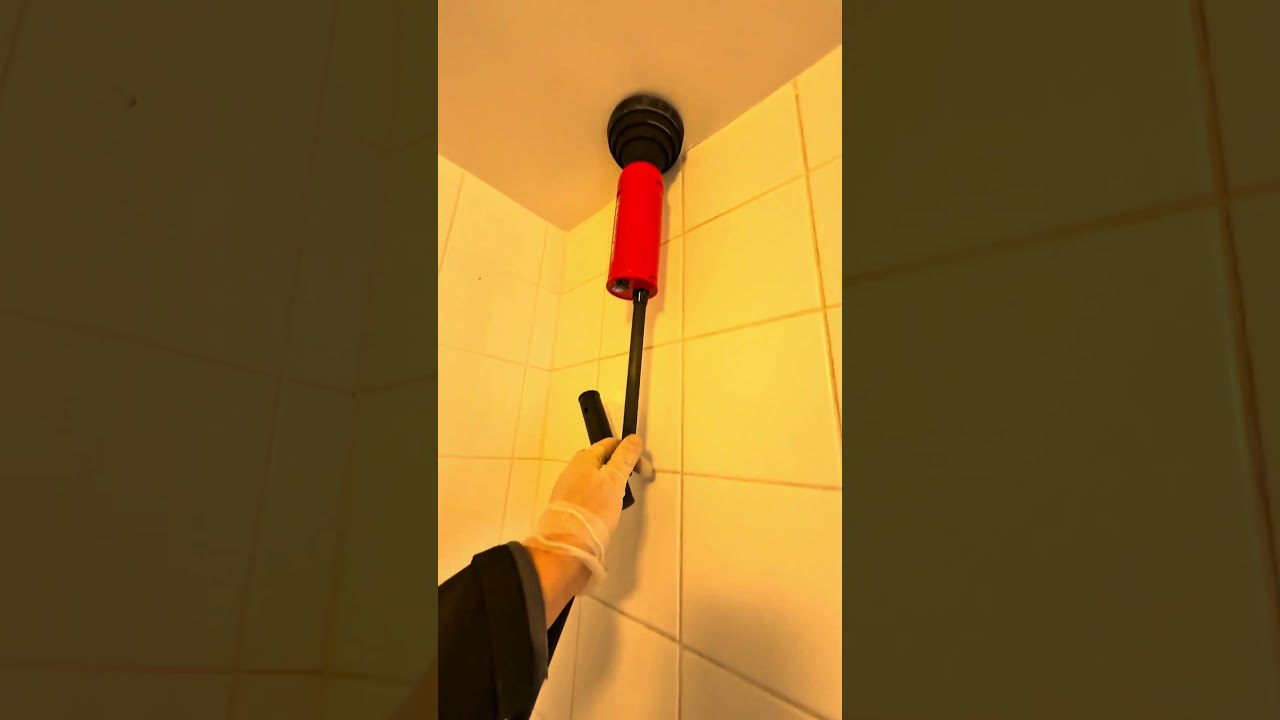
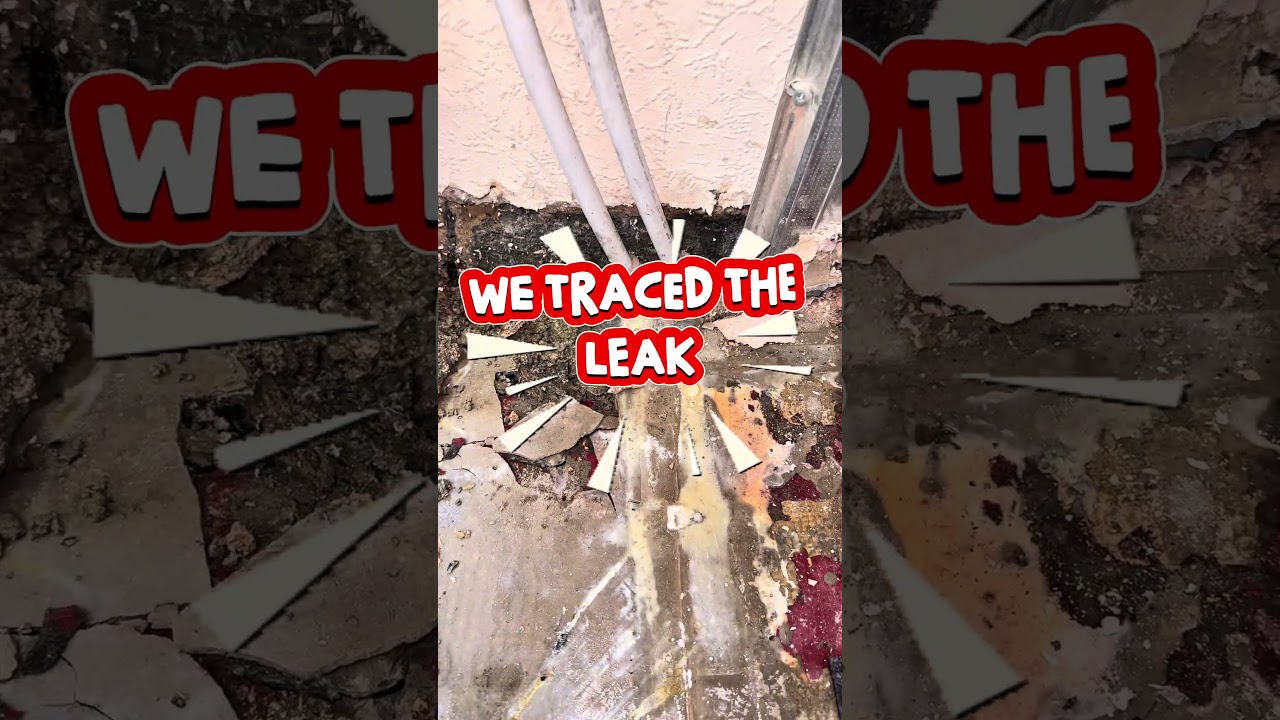
Real Investigations from the Field
This section features real boiler pressure loss and hidden heating leak investigations carried out by MML Plumbing across London. Each case shows the symptoms reported, the testing methods used, the evidence found and the confirmed cause of the problem.
These real-world investigations demonstrate how pressure loss and concealed heating leaks are investigated in practice, using evidence to narrow down the source before unnecessary repairs or destructive access are considered.

Boiler Losing Pressure – Two Hidden Heating Leaks Found
A North London homeowner’s boiler was losing pressure rapidly, dropping by around 1 bar in under 10 minutes; our leak detection investigation identified two concealed pipe leaks beneath tiled and concrete floors, which were located, repaired and pressure-tested until the system remained stable. Read the full case study →

Boiler Losing Pressure – Multiple Hidden Faults Found in SW19
A large heating system in SW19 was losing around 3 litres of water per day with no obvious leak; our investigation identified multiple sources of pressure loss, including radiator and air-vent leaks, plus evidence of an internal heating-to-hot-water crossover. MML Plumbing: Read the full case study →

Hidden Heating Leak Traced Beneath the Floor in NW3
A heating system in Hollycroft Avenue, NW3, was repeatedly losing pressure with no visible leak; thermal imaging and hydrogen tracer gas testing produced readings of approximately 1,000 ppm, narrowing the suspected leak to concealed pipework near the plant room and bathroom.
Need to find the leak and gather evidence for your claim?
If your insurer is asking for proof, or you have damage and no idea where the water is coming from, every week that passes adds to the damage and can make the claim harder to settle.
MML Plumbing will find the leak and put everything your insurer needs in writing.
What you get:
- The leak located precisely using non-invasive methods, with one small access point
- A written, insurance-ready trace and access report covering the location, methods, findings and cause
- Evidence written for loss adjusters, not just for engineers
- Fully insured, 5-star rated leak detection specialists across London and North London
Three steps to your report:
- Get in touch. Tell us what you’ve noticed and, if you’ve opened a claim, your claim reference.
- We find the leak. We confirm the loss, trace the source and mark the exact location.
- You receive your report. A clear, professional document ready to send to your insurer.

