


No guessing. No damage. Just clear answers.
Most common causes of boiler pressure falling after cooling down
Common causes include:
- Faulty pressure relief valve
- Faulty expansion vessel
- Hidden leak on the central heating system
- Radiator valve slowly leaking
- Small leak on visible pipework
- Corroded small copper pipe beneath floors
- Air remaining after you recently bled your radiators
- Fault within the heat exchanger
- Problem with the hot water cylinder (on system boilers)

Is it normal for boiler pressure to fall after the heating cools?
Yes — to a point.
As the water inside your heating system cools, it contracts naturally. That means the pressure usually rises slightly when the heating is running, and pressure falls again once everything cools down.
On most systems, a boiler pressure between 1 and 1.5 bar when cold is considered the correct pressure. Once the heating operates, the pressure rises before returning close to its original reading.
What isn’t normal is a continuous boiler pressure drop every day.
If your pressure gauge keeps falling into the red zone, or you’re constantly using the filling loop, the boiler isn’t simply cooling down — the system is losing pressure.
Why does a boiler lose pressure after cooling?
Faulty pressure relief valve
A faulty pressure relief valve may allow leaking water to escape through the discharge pipe outside the property, so check for a visible boiler leak there first; if there is no external dripping, the fault may be inside the boiler and should be checked by a heating engineer.
Sometimes the only evidence is slight water dripping beneath the external pipe.
Faulty expansion vessel
The expansion vessel absorbs pressure created when water expands during heating.
If the faulty expansion vessel loses its air charge, the pressure can increase too high when hot, then fall too far after cooling, which can point to a faulty component that needs expert testing.
This is one of the most common boiler faults we diagnose.
The vessel charge must be set correctly for the boiler model, and this is work for qualified engineers.
Hidden heating pipe leak
One tiny leak beneath a floor can be tricky to find and may continue causing the boiler to lose pressure without leaving visible damp.
We’ve located countless leaking copper pipes, hidden joints and underfloor leaks where homeowners never saw a single drop of water. In some cases, a plumber or Gas Safe engineer is needed to locate the source safely.
Air remaining after bleeding radiators
If you’ve recently bled your radiators, trapped air can still work through the system, and most people need to top up the pressure afterwards.
This can cause a temporary pressure drop, but the pressure should soon stabilise.
It’s easy to miss remaining air, so keep an eye on the gauge for a while after bleeding.
If it continues for a long period, another fault is normally present.
How we investigate boiler pressure loss
Every investigation starts by proving where the pressure is being lost.
We don’t replace parts because they “might” be faulty.
Instead, we’ve been there many times carrying out:
- Pressure testing
- Thermal imaging
- Acoustic leak detection
- Moisture mapping
- Hydrogen tracer gas leak detection
- Inspection of visible pipework
- Checking the pressure relief valve
- Testing the expansion vessel
- Checking radiators, valves and radiator valve connections
Only after multiple test results agree do we identify the exact fault.


Can low boiler pressure be dangerous?
Low boiler pressure itself isn’t usually dangerous.
Most boilers stop working properly before damage occurs, because pressure below 0.9 bar often triggers a safety lockout feature, and you may need to press the reset button once the pressure has been restored.
The greater concern is the hidden cause.
If the central heating system continues losing pressure, water may be escaping beneath floors or inside walls, potentially causing serious damage before it becomes visible.
Repeatedly topping up the system also introduces fresh oxygen into the water, increasing corrosion within pipes, radiators and other components.
Should I keep topping the boiler up?
Using the boiler’s filling loop to repressurise is the most common way to restore pressure temporarily, but if you’ve needed it more than once or twice, it is usually time to investigate.
Continually adding cold water from the mains water supply masks the problem rather than solving it. The filling loop has a connection at each end, so consult the manual if you cannot find it on your model.
When you top up the pressure, open the filling loop valves slowly to avoid pressure spikes, then close them securely after repressurising.
Eventually the pressure gauge will fall again because the underlying fault remains. If you are fed up with repeating this, that should lead you to book a proper leak detection investigation in London rather than keep refilling the system.

Could it be the boiler?
Sometimes, faults can occur inside the boiler, but diagnosing them should be left to a qualified heating engineer or other expert.
We’ve diagnosed faulty components inside boilers, including:
- Heat exchanger
- Pressure relief valve
- Expansion vessel
- Internal seals
Follow the correct guide for your boiler model rather than guessing.
However, many investigations prove the boiler itself is healthy, and the fault lies somewhere within the central heating pipework.
That’s why testing always comes before replacing parts.
Can this affect my heating and hot water?
Yes.
As boiler low pressure becomes worse, the boiler may stop providing heating or hot water.
Some boilers refuse to operate once the boiler pressure gauge drops below the minimum operating level.
Others cycle on and off or display a fault code until the pressure is restored.
Related questions
Not every recurring pressure problem comes from an obvious leak, and different faults can produce very similar symptoms. These related questions cover further checks and system behaviour that can help distinguish between possible causes.
- Could multiple hidden faults be responsible for pressure loss in different parts of the same heating system?
- Can water escaping through the pressure relief valve cause recurring pressure loss?
- Could a faulty filling loop affect the pressure behaviour of my heating system?
- What does it mean if boiler pressure falls mainly while the heating is running?
- Can an internal heat exchanger fault cause pressure loss without a visible leak around the boiler?

Real Leak Detection Examples From North London Homes



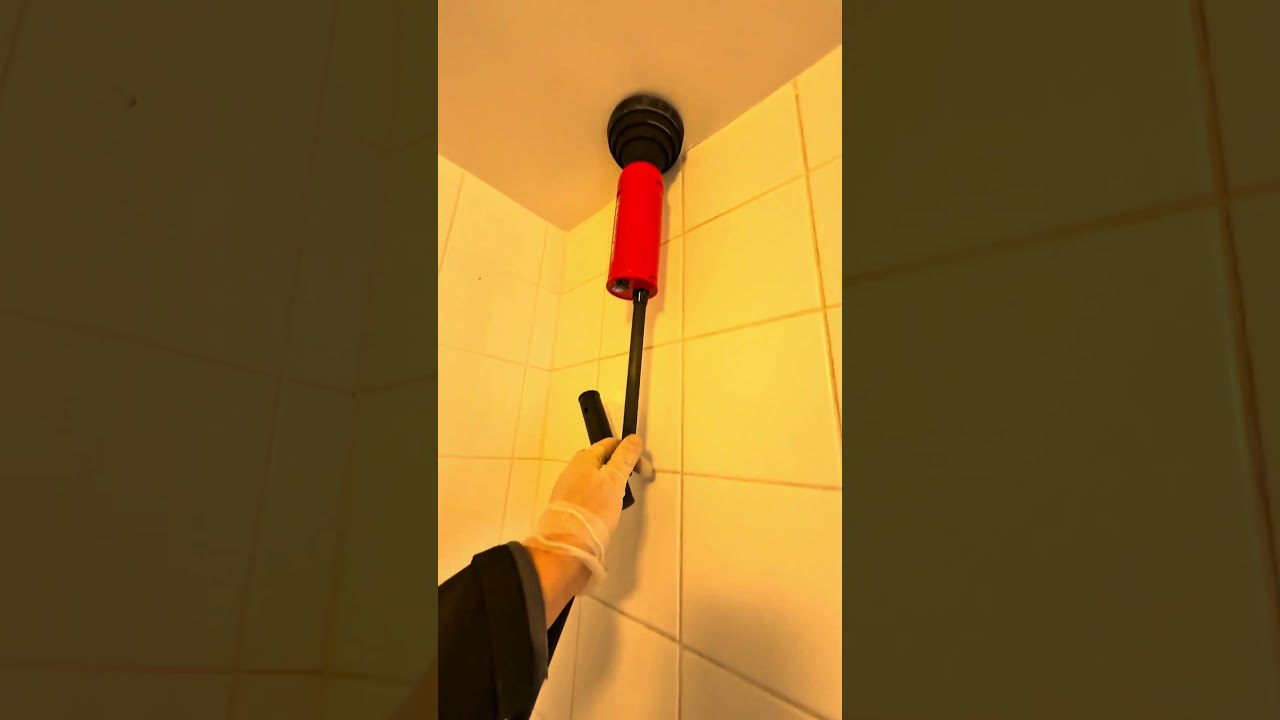
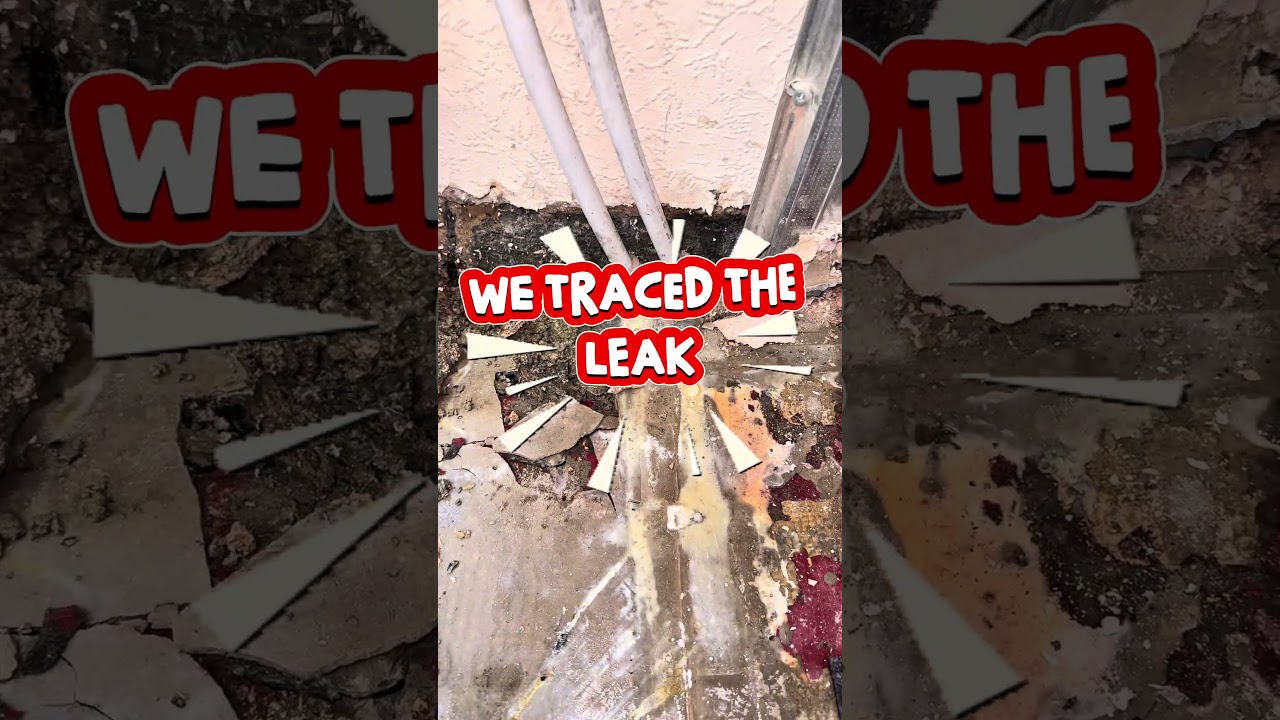
Real Investigations from the Field
This section features real boiler pressure loss and hidden heating leak investigations carried out by MML Plumbing across London. Each case shows the symptoms reported, the testing methods used, the evidence found and the confirmed cause of the problem.
These real-world investigations demonstrate how pressure loss and concealed heating leaks are investigated in practice, using evidence to narrow down the source before unnecessary repairs or destructive access are considered.

Boiler Losing Pressure – Two Hidden Heating Leaks Found
A North London homeowner’s boiler was losing pressure rapidly, dropping by around 1 bar in under 10 minutes; our leak detection investigation identified two concealed pipe leaks beneath tiled and concrete floors, which were located, repaired and pressure-tested until the system remained stable. Read the full case study →

Boiler Losing Pressure – Multiple Hidden Faults Found in SW19
A large heating system in SW19 was losing around 3 litres of water per day with no obvious leak; our investigation identified multiple sources of pressure loss, including radiator and air-vent leaks, plus evidence of an internal heating-to-hot-water crossover. MML Plumbing: Read the full case study →

Hidden Heating Leak Traced Beneath the Floor in NW3
A heating system in Hollycroft Avenue, NW3, was repeatedly losing pressure with no visible leak; thermal imaging and hydrogen tracer gas testing produced readings of approximately 1,000 ppm, narrowing the suspected leak to concealed pipework near the plant room and bathroom.
Book a boiler pressure investigation with MML Plumbing
If your boiler pressure keeps falling after the heating system cools, gets louder, or drops below the green zone, the problem should be checked promptly rather than ignored.
At MML Plumbing, we’ve been there investigating hidden pressure loss, boiler pressure drop, leaking central heating system pipework, faulty pressure relief valves, failed expansion vessels, and concealed leaks across London and North London. Using professional non-invasive leak detection equipment, we identify the exact cause before any unnecessary repairs begin.
If your boiler is losing pressure, your pressure gauge keeps falling below the green zone, or you’re repeatedly using the boiler’s filling loop, most people should book a plumber, heating engineer, or Gas Safe engineer rather than continuetopping it up and hoping it improves. Contact MML Plumbing to arrange a professional investigation. We’ll identify why your boiler is losing pressure, explain the findings clearly, and provide an insurance-ready report where required.

