


No guessing. No damage. Just clear answers.
How can a sealed heating system lose pressure while the heating is off?
A falling pressure gauge overnight puzzles people, because the heating is off and nothing seems to be happening — but a leak does not keep office hours. Water escapes a pressurised system whether it is hot and running or cold and switched off, so a genuine leak will drop the pressure through the night just as it does through the day. What actually changes overnight is the temperature: as the system cools, the water contracts and the pressure falls a little on its own, which is normal. The tell is whether it recovers when the heating fires again. If it climbs back into the green zone once warm, that is temperature doing its work; if it stays low and you are reaching for the filling loop each morning, the water is leaving the system and not coming back.

Boiler faults that should be ruled out first
Before we start lifting floors, we rule out the faults at the boiler that mimic an overnight leak, because chasing buried pipework on a system losing water internally helps no one. A faulty pressure relief valve is the one we see most — when it stops seating, it passes system water out through its discharge to the exterior, and overnight, with everything quiet, that slow release is easy to miss. Time and again the only evidence is a damp or limescale-stained patch on an outside wall, which is the first place we walk round to check. A faulty expansion vessel shows itself through the swing of the gauge: the expansion vessel absorbs the extra volume as water expands and heats, so when its air charge is gone, the pressure runs high when hot and drops low as the system cools overnight. And if the radiators were recently bled, trapped air still settling out will let the pressure fall a touch on its own. These take minutes to confirm. When they are clear and the pressure still falls overnight, the water is escaping somewhere we cannot see.
Why hidden heating leaks often leave no visible signs
We have traced overnight leaks losing so little water that the homeowner swore blind there was nothing wrong — no damp patches, no water dripping, nothing to see anywhere. That is the nature of it. There is so little spare water in a sealed circuit that even a tiny leak keeps the pressure falling, and the volume escaping is small enough that it rarely surfaces. More often we find it wicking into a subfloor void or tracking along a warm pipe and evaporating before it reaches anywhere visible. The leaks hide where you cannot inspect them: pipe joints under suspended floors, small copper pipe cast into screed or concrete, connections behind walls, and underfloor heating loops. When someone tells us there are no obvious leaks, we take that as confirmation of a hidden one, not evidence against it.

How we accurately locate hidden boiler pressure leaks
With the leak buried, guessing means opening the wrong floor, and we have been called in to correct too many of those to work that way. So we stay non-invasive, layering method on method until every reading points to the same spot. We open with pressure testing, isolating the heating circuit to prove water is genuinely being lost and to narrow the search to one part of the system. Then thermal imaging reads the heat signature of the pipework against its cooler surroundings — on the right floor it lights up the concealed run and shows water pooling beneath a surface we never touch. Acoustic detection goes on alongside it, and on plenty of jobs the faint hiss of water forcing out of a pressurised pipe is the thing that gives the fault away, while moisture mapping shows where water has already gathered in the fabric. When a leak is fine enough that its exact spot still eludes us, hydrogen tracer gas settles it — we introduce a harmless hydrogen-nitrogen blend into the drained system and follow it up through the structure to the one point it escapes. Where there is a route in, borescope and CCTV let us set eyes on the fault before a tile is lifted. No single tool closes the case; it is watching them agree that lets us mark the floor and be right.
Should you worry if your boiler loses pressure overnight?
The low pressure itself poses little immediate danger, because most modern boilers respond to a drop by locking out rather than running on — the lockout is a safety feature, not a fault in itself. The real risk is the underlying problem draining the water. We have lifted floors weeks into a slow overnight leak and found joists sodden, screed saturated and the first rot setting into the timber, all from a loss so quiet the homeowner had done nothing but re-pressurise each morning. Catching that underlying issue early is how we protect the building fabric, and it is why an overnight drop is worth tracing now rather than topping up indefinitely.


Case study — Hidden heating pipe leak found in Muswell Hill
We were called to a house in Muswell Hill where the boiler pressure read normal every evening and had fallen below the green zone by morning, without a mark anywhere in the house. Pressure testing confirmed the system was genuinely losing water overnight rather than simply cooling. From there, thermal imaging and moisture mapping converged on a slow weep at a pipe joint beneath the landing floor, seeping just enough through the night to drop the gauge by morning and evaporating away before it ever showed. Pinpointing it meant lifting one small section of board rather than the whole landing, and the nightly top-ups stopped for good.
Related questions
Pressure loss can develop from faults in different parts of a sealed heating system, and the symptoms are not always visible at the surface. These related questions cover further causes and investigation routes that can help establish where the water is actually being lost.
- Could more than one part of my heating system be leaking and contributing to the same pressure drop?
- Can buried heating pipework lose water without showing any obvious signs inside the property?
- Can a small leak from an automatic air vent gradually reduce heating system pressure?
- What can thermal imaging reveal during an investigation into unexplained boiler pressure loss?
- How long can it take to trace the cause of persistent boiler pressure loss?
Book a professional boiler pressure leak investigation.
If your boiler loses pressure overnight and you are re-pressurising it every morning, the sensible step is to find out where the water goes while you sleep rather than keep refilling. At MML Plumbing, we use non-invasive leak detection to establish whether the cause sits at the boiler or on a hidden heating run, and pinpoint it precisely. An overnight leak does not stay small — what starts as a gauge that has dropped by morning ends as soft joists and stained ceilings, and that cost lands in flooring and plaster, not in a moment at the filling loop. Our approach never changes because it is the one that works: clear the boiler-side faults first, confirm the loss with pressure testing, then bring thermal imaging, acoustic detection, moisture mapping and hydrogen tracer gas to bear until the source is beyond doubt. What you receive is an exact location, a plain explanation of the cause, and an insurance-ready report you can act on.
Real Leak Detection Examples From North London Homes


Real Investigations from the Field
This section features real boiler pressure loss and hidden heating leak investigations carried out by MML Plumbing across London. Each case shows the symptoms reported, the testing methods used, the evidence found and the confirmed cause of the problem.
These real-world investigations demonstrate how pressure loss and concealed heating leaks are investigated in practice, using evidence to narrow down the source before unnecessary repairs or destructive access are considered.

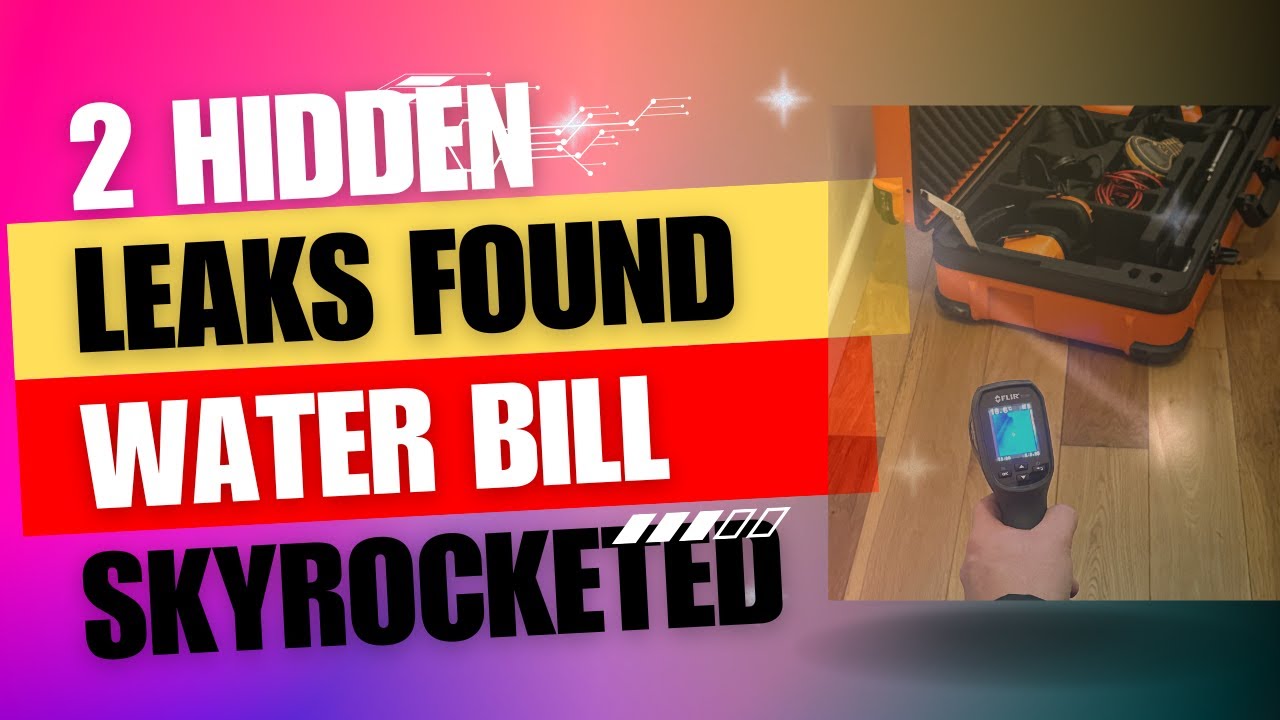
Boiler Losing Pressure – Two Hidden Heating Leaks Found
A North London homeowner’s boiler was losing pressure rapidly, dropping by around 1 bar in under 10 minutes; our leak detection investigation identified two concealed pipe leaks beneath tiled and concrete floors, which were located, repaired and pressure-tested until the system remained stable. Read the full case study →

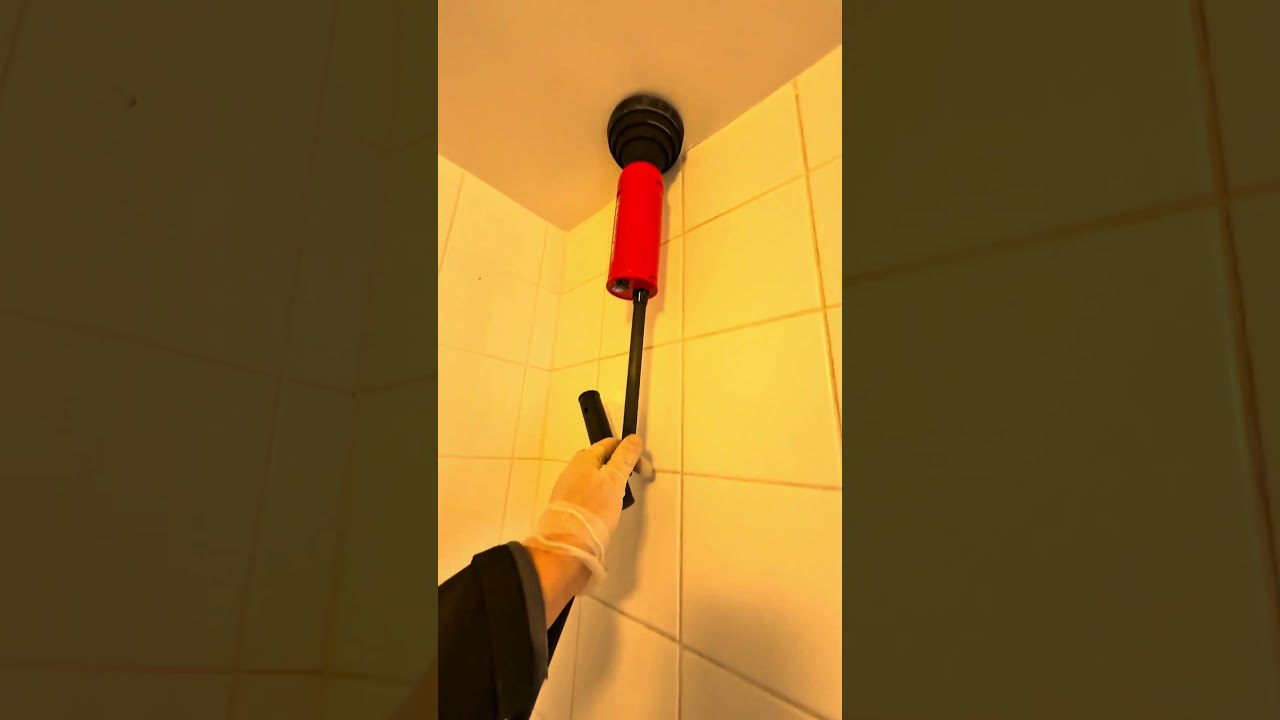
Boiler Losing Pressure – Multiple Hidden Faults Found in SW19
A large heating system in SW19 was losing around 3 litres of water per day with no obvious leak; our investigation identified multiple sources of pressure loss, including radiator and air-vent leaks, plus evidence of an internal heating-to-hot-water crossover. MML Plumbing: Read the full case study →

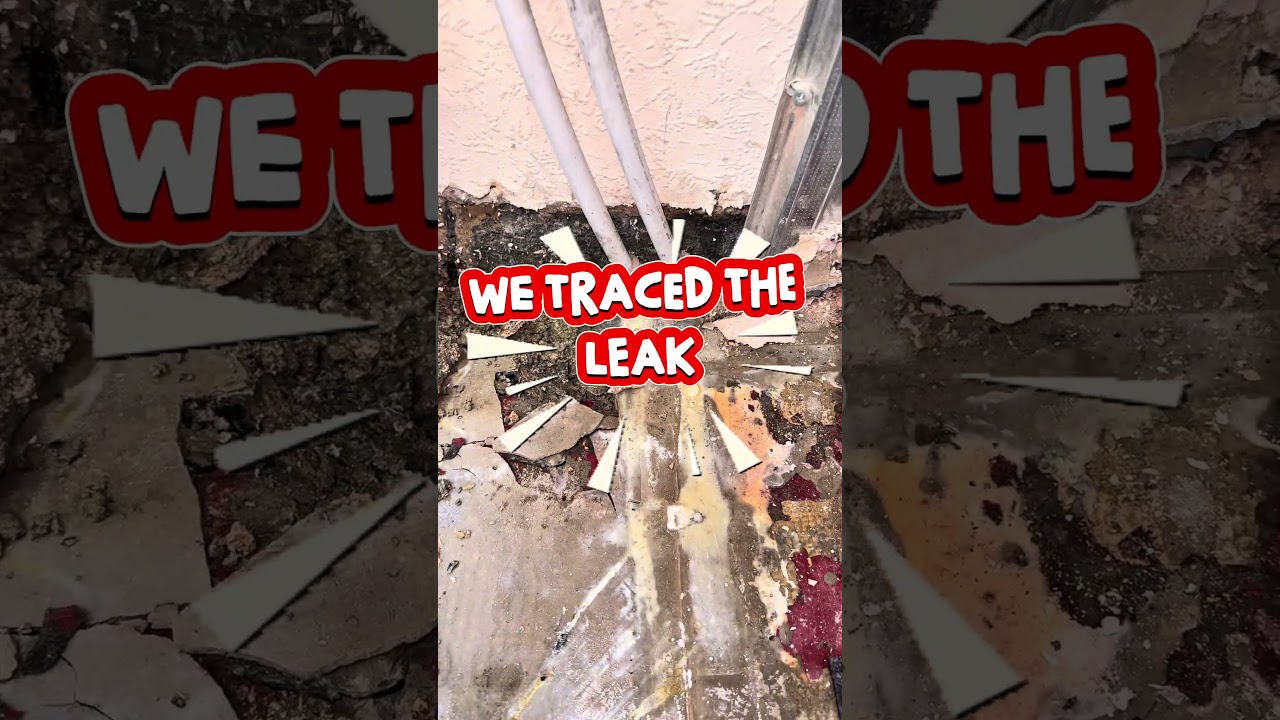
Hidden Heating Leak Traced Beneath the Floor in NW3
A heating system in Hollycroft Avenue, NW3, was repeatedly losing pressure with no visible leak; thermal imaging and hydrogen tracer gas testing produced readings of approximately 1,000 ppm, narrowing the suspected leak to concealed pipework near the plant room and bathroom.

