


No guessing. No damage. Just clear answers.
The most common reasons why the boiler is losing pressure for many homeowners:
 leaking radiator valve
leaking towel rail
automatic air vent
pressure relief valve
expansion vessel
heat exchanger (rare)
buried pipe leak
Most of the time, the root cause is a heating system leak or an underfloor heating leak.

What a falling gauge is really telling you
Your central heating is a sealed system holding a fixed volume of water at a set pressure, usually around 1 to 1.5 bar when cold. Because that volume is fixed, the physics is simple: if the pressure keeps dropping, water is leaving the system. We see the same pattern on job after job — a homeowner tops up through the filling loop, the gauge climbs, and within days it has crept back down. The top-up never fails because it is refilling; it fails because it is refilling a system that is still losing water somewhere out of sight. The gauge is not the fault. It is the signal, and our job is to read it correctly rather than keep silencing it.
The boiler-side causes we clear first.
Before we go looking for a hidden leak, we rule out the handful of boiler-side faults that mimic one, because hunting for a leak on a system losing pressure internally wastes everyone’s time. A weeping PRV can discharge system water through a pipe that terminates outside, leaving no trace indoors — we regularly find the only evidence is a damp or limescale-stained patch on an external wall. A failed expansion vessel behaves differently, swinging the pressure with temperature, high when hot and low when cool. And if the radiators have recently been bled, air still working its way out will settle the gauge downward on its own, which is no leak at all. These are quick to confirm, and once they are ruled out with the pressure still falling, the water is going somewhere hidden — and that is where the real work starts.

Why the leak is almost always hidden
A sealed system holds so little spare volume that even a very small leak reads as a steady drop on the gauge, which is exactly why these leaks are so hard to chase without the right kit. The escaping water is minute. In our experience, it rarely announces itself with a damp patch, because it either evaporates into a subfloor void or tracks away along a warm pipe run before it ever reaches a surface you can see. The leaks sit where the pipework is out of sight — joints beneath suspended floors, copper pipe buried in screed or concrete, connections behind walls, and underfloor heating circuits. We meet a lot of homeowners who have talked themselves out of a leak simply because there is nothing to see. The absence of visible damage is not evidence there is no leak; on a hidden heating fault, it is the norm.
How we find a leak you cannot see
Because the leak is hidden, guesswork means lifting a floor on a hunch, and we have been called out too many times to correct exactly that. So we work non-invasively, layering methods until the evidence converges on a single point. We begin with pressure testing, isolating the heating circuit to confirm the system is genuinely losing water and to narrow down which part of it is at fault. From there, thermal imaging reads the temperature difference between the warm heating water and its cooler surroundings, so we can trace a buried pipe run and spot water pooling beneath a floor without touching it. Alongside it, we run acoustic detection, listening for the distinct sound of water escaping a pressurised pipe, while moisture mapping tells us where water has already gathered in the structure. When a leak is small enough that the exact point is still not certain, we introduce hydrogen tracer gas: a safe hydrogen and nitrogen mix goes into the drained system, rises through the structure at the precise point of escape, and we detect it at the surface. Where there is a route in, borescope and CCTV inspection let us confirm the fault with our own eyes before a single tile is lifted. No one method carries the whole diagnosis — it is the way they corroborate one another that lets us mark a spot on the floor and be right.
Is low boiler pressure dangerous?
Low boiler pressure is rarely dangerous in itself, as most modern systems respond to a drop by locking out rather than running on. The real risk is not the reading — it is what is causing it. We have opened floors months into a slow heating leak and found joists soft, screed saturated, and plaster quietly ruined, all from a loss so gradual the homeowner had simply kept topping it up. That slow, invisible damage to the building fabric is the reason to trace the cause now rather than manage the symptom indefinitely.


Case Study – Real-life experience in Barnet
A homeowner in Barnet contacted MML Plumbing after their new boiler lost pressure despite no visible signs of a leak. He tried to clear the trapped air and continued to monitor the pressure changes and system pressure, but the boiler continued losing pressure. Using non-invasive leak detection techniques, including pressure testing, thermal imaging, moisture mapping and acoustic leak detection, we confirmed a hidden central heating pipe leak beneath the bathroom floor. The pressure test confirmed a slow but continuous loss within the sealed heating system. Thermal imaging and moisture mapping identified elevated moisture levels and abnormal heat patterns beneath the bathroom floor, with evidence that water had travelled beneath the floor towards the boiler and into the adjoining living room. Acoustic leak detection then identified the strongest leak sound beneath the bathroom vanity area, confirming the precise leak location. By combining multiple diagnostic methods, we accurately located the hidden central heating pipe leak without unnecessary damage, allowing targeted repairs and avoiding costly trial-and-error investigation.
Why homeowners across London call us
Our reports are suitable for many trace-and-access insurance claims. We are a specialist leak detection company working across London and North London, with more than 15 years of experience finding the leaks other trades cannot. We are fully insured, 5-star rated, and every investigation is written up as a clear, insurance-ready report. A great deal of our work comes from homeowners already let down by trial-and-error repairs, which is precisely why we prove the fault before anyone commits to a single cut.
Related questions
A concealed heating leak can behave differently depending on its location, size and the way the system is operating. These related questions explore other pressure-loss patterns and specialist methods that can help narrow down the source.
- Can a heating system have several concealed leaks causing pressure loss at the same time?
- How can an expansion vessel problem be distinguished from a hidden heating leak?
- Can hydrogen tracer gas pinpoint where a concealed heating pipe is leaking?
- When is acoustic leak detection useful for tracing hidden central heating leaks?
- Can a heating leak beneath a finished floor cause pressure loss without visible water?

Book a non-invasive leak detection survey.
If your boiler pressure drops every few days or every week, stop repeatedly topping it up. At MML Plumbing we’ll determine whether the cause is the boiler itself or a hidden heating leak using non-invasive leak detection, then provide a precise location and an insurance-ready report.
Find the cause before it finds your floors. A heating system that keeps losing pressure will not settle on its own, and every top-up hides a little more of what is really happening beneath the surface. Left to run, a hidden leak is what turns a straightforward diagnosis into replaced joists and re-plastered ceilings — the cost of waiting is measured in floors, not gauges. We approach every pressure-loss investigation the same way, because it is the way that works: clear the boiler-side checks first, confirm the loss with pressure testing, then bring thermal imaging, acoustic detection, moisture mapping and hydrogen tracer gas to bear until the source is proven rather than guessed. What you receive is a precise location for the fault, a plain explanation of the cause, and an insurance-ready report you can act on with confidence.
If your boiler keeps losing pressure and no visible leak has turned up, book a survey with MML Plumbing and let us prove exactly where the water is going.
Real Leak Detection Examples From North London Homes



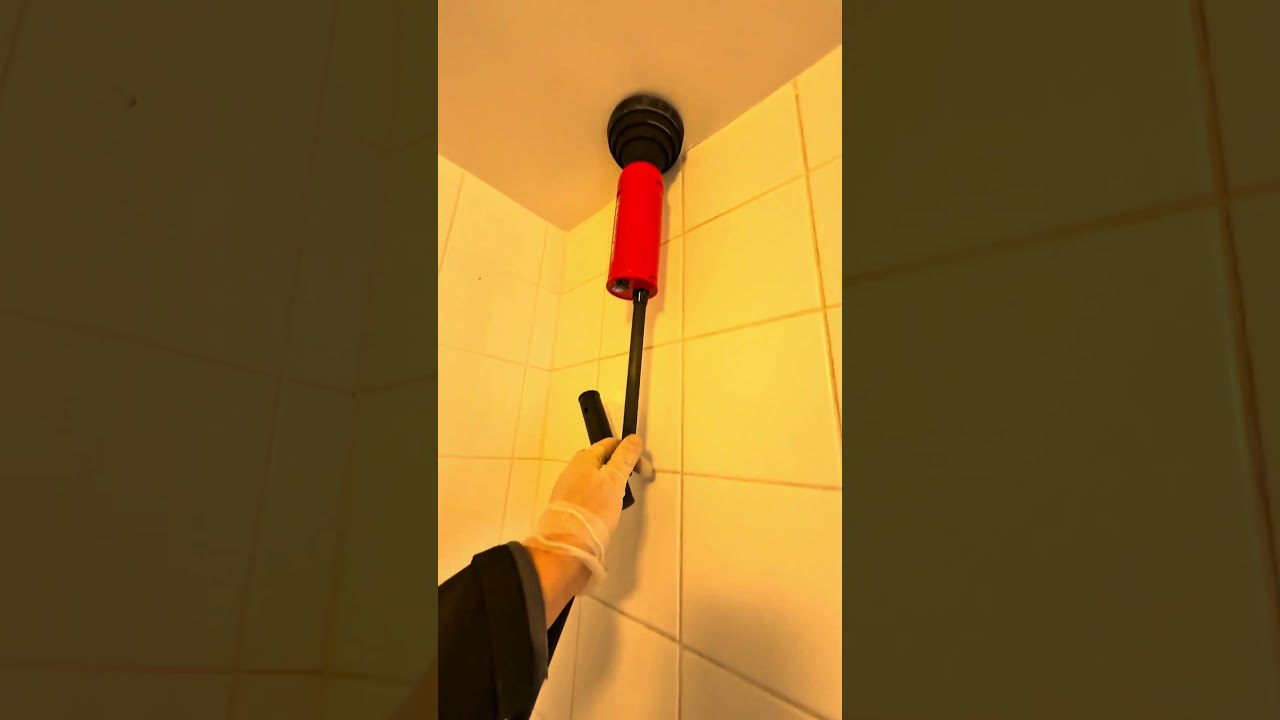
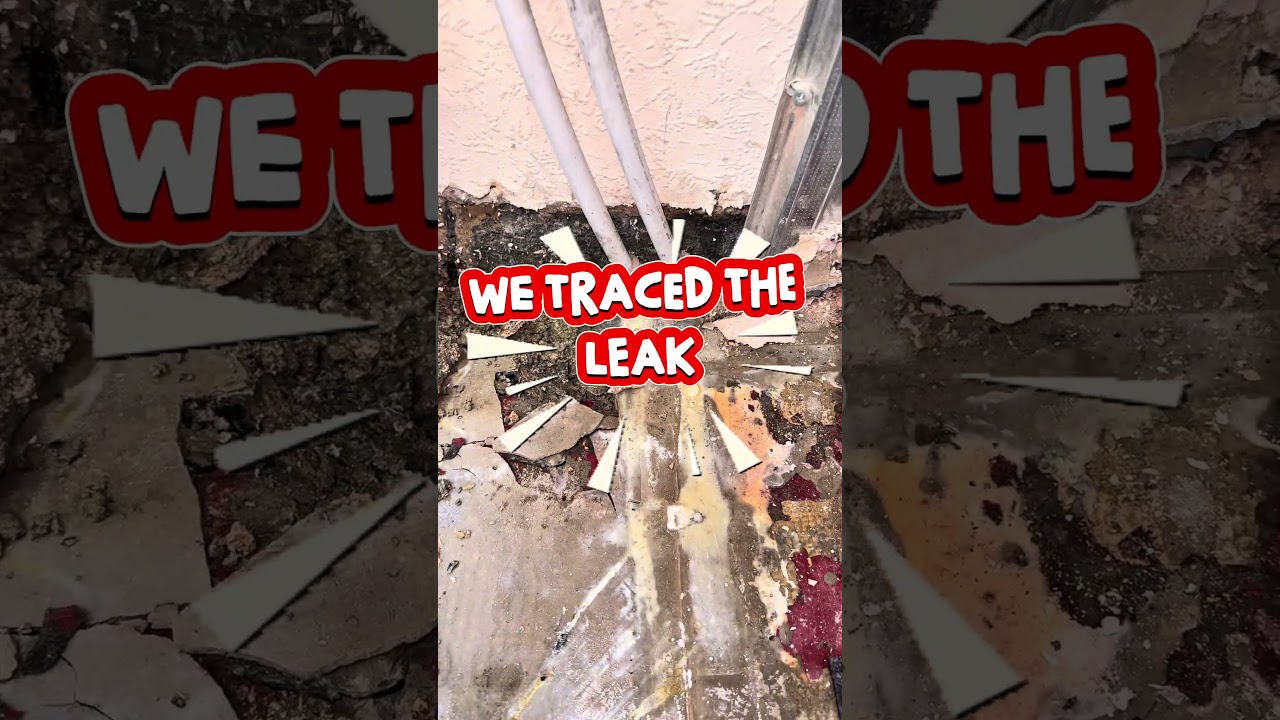
Real Investigations from the Field
This section features real boiler pressure loss and hidden heating leak investigations carried out by MML Plumbing across London. Each case shows the symptoms reported, the testing methods used, the evidence found and the confirmed cause of the problem.
These real-world investigations demonstrate how pressure loss and concealed heating leaks are investigated in practice, using evidence to narrow down the source before unnecessary repairs or destructive access are considered.

Boiler Losing Pressure – Two Hidden Heating Leaks Found
A North London homeowner’s boiler was losing pressure rapidly, dropping by around 1 bar in under 10 minutes; our leak detection investigation identified two concealed pipe leaks beneath tiled and concrete floors, which were located, repaired and pressure-tested until the system remained stable. Read the full case study →

Boiler Losing Pressure – Multiple Hidden Faults Found in SW19
A large heating system in SW19 was losing around 3 litres of water per day with no obvious leak; our investigation identified multiple sources of pressure loss, including radiator and air-vent leaks, plus evidence of an internal heating-to-hot-water crossover. MML Plumbing: Read the full case study →

Hidden Heating Leak Traced Beneath the Floor in NW3
A heating system in Hollycroft Avenue, NW3, was repeatedly losing pressure with no visible leak; thermal imaging and hydrogen tracer gas testing produced readings of approximately 1,000 ppm, narrowing the suspected leak to concealed pipework near the plant room and bathroom.

