
Is it normal for a boiler to lose pressure over time?
A slight drift downward over many months can be normal, but a boiler you keep topping up is not — that is a fault showing itself, not ordinary wear. If you are a homeowner or property owner trying to work out whether your boiler losing pressure is harmless or a sign you need a heating engineer, the first thing to know is that a sealed heating system is built to hold its pressure for a long stretch, so once the gauge starts falling often enough that you notice, water is getting out somewhere. From the jobs we attend, the boiler losing pressure usually comes down to one of three suspects: a faulty expansion vessel, a faulty pressure relief valve, or a hidden hot water or heating leak on the pipework. Knowing which side of “normal” you are on matters, because steady pressure loss can point to concealed leaks that keep causing damage under floors, behind plaster, or around the system while you keep topping it up.
We don’t guess. We prove. Then we fix.
Below, we will help you tell normal pressure change from a fault, run through the common causes, show you what you can check before calling someone out, explain how concealed leaks are traced, and set out when non-invasive leak detection is the right next step.
Common causes include:
 faulty expansion vessel no longer absorbing the pressure rise
faulty pressure relief valve letting water out to the wall
radiator valve weeping at the spindle
leak in the system on concealed pipework
air still clearing after recently bled radiators
hidden leak beneath a floor or behind plaster


No guessing. No damage. Just clear answers.
Where the line between normal and faulty central heating actually sits
Here is the honest version, because homeowners rarely get a straight answer to it. A central heating system carries a fixed volume of water, and pressure changes with heat — it climbs a little as the heating water warms, eases back as it cools, and that gentle movement around 1.5 bar in a cold system is completely normal and sorts itself out. What crosses into faulty is a boiler pressure gauge that keeps falling and never climbs back, or a system you have to keep refilling through the filling loop just to fire it up. The test we hand people is a plain one: top it up once, and if the pressure holds for months, that was a one-off worth forgetting; if the boiler has lost pressure again within days or a couple of weeks, the water is leaving the system, and it is time to find out where. Regular refilling is the clearest sign that low boiler pressure is not something to live with.

What to check before you call us out
By the time people reach us, most have already worked through what the boiler’s manual suggests, and it helps us to know what has been tried. The usual first move is to repressurise: opening the boiler’s filling loop to let cold water from the cold water supply back into the system until the gauge shows the correct pressure again, then watching to see whether it holds. If the system pressure climbs back up and stays there for months, the boiler pressure loss was likely a one-off. What tells us there is a real fault is when the boiler pressure keeps dropping days later, no matter how carefully it was refilled — a clear sign that pressure has dropped because water is leaving, not because the system was simply low. At that point, the sensible way to fix low boiler pressure is not another top-up but finding where the water goes, and a qualified heating engineer can confirm the loss is genuine before anyone opens anything up. Where the leak is on the heating side, you will rarely see leaking water at all, because it escapes hidden and dries away before it surfaces — which is exactly when our detection work earns its place.
Clearing the usual suspects before we look further
We never go hunting for a pipe leak before ruling out the faults at the boiler that behave just like one, because on job after job, that is where the answer turns out to be, and most boilers show the pressure on either a gauge or a digital display. The faulty expansion vessel is the first through our hands — with its air charge gone, it can no longer take up the pressure rise as the water heats, so you get the swing of high-pressure hot and low-pressure cold, and often increased pressure forcing the relief valve to lift. The faulty pressure relief valve is the next we check; once it stops sealing, it quietly passes system water out to the exterior, and time and again the only trace is a damp or limescale-stained patch on an outside wall, with not a drop showing indoors. And where the radiators were recently bled, the last of the air working out can cause a drop in boiler pressure and drop the gauge a touch on its own, which is no leak at all. A heating engineer can confirm these in minutes. Clear all three with the pressure still dropping, and the water is going somewhere out of sight.

The point at which it becomes a concealed leak
When the vessel and valve both come back clean and the pressure keeps sliding, we are into hidden-leak territory within the boiler system — and because a sealed system holds so little in reserve, even a leak the size of a pinhole reads as a steady boiler pressure drop on the gauge. That is exactly what makes them so awkward to pin down without proper equipment. In our experience, the water rarely gives itself up: no damp patches, no water dripping, nothing to see, because what escapes is minute and either soaks away into a subfloor cavity or runs along a warm pipe and dries off before it ever surfaces. The fault hides where no one can look — joints under boards, pipework set into screed, connections behind walls, and in older metallic pipework, internal corrosion can create micro-leaks; a lack of corrosion inhibitor can also drive that internal corrosion and reduce pressure through the affected components. When a homeowner assures us there is no leak because everything looks dry, that dryness is precisely what we would expect from a concealed one.
Tracing a leak that stays out of sight
With the fault buried, a guess means lifting the wrong floor, and we have been brought in to correct enough of those to never work that way ourselves. So we stay non-invasive and stack the methods until they all agree on one spot. We begin with pressure testing, sealing off the heating circuit to prove the loss is real and to narrow it to one part of the system. From there, thermal imaging reads the warmth of the pipework against the cooler structure around it, so a concealed run and any pooling water show through the floor without a thing being opened. Acoustic detection runs beside it, catching the faint sound of water pushing out of a pressurised pipe, while moisture mapping shows where water has already settled in the fabric. If the leak is small enough that its exact position still hides from us, hydrogen tracer gas ends the search — a harmless hydrogen-nitrogen mix goes into the drained system and rises to the surface at the one point it can escape. Where there is access, borescope and CCTV let us set eyes on the fault before a tile is disturbed. No single tool decides it; it is the agreement between them that lets us mark the floor and be sure.


Should you worry about running a system that keeps dropping or allowing too much pressure to escape?
Low pressure on its own carries little immediate danger, since most modern boilers respond to a drop by locking out rather than pressing on, but if the pressure is low below 0.9 bar, or it keeps happening, it is time to call a professional to make sure the system is still safe. A leak in the system should be handled by a plumber or heating specialist, and persistent pressure problems should go to a Gas Safe Registered engineer.
The genuine risk is whatever is emptying the system. A concealed leak left to run does not stay modest — we have taken up floors months into one and found the joists soaked through, the screed saturated and the plaster letting go, all from a loss so slow the owner had simply kept refilling. That quiet, steady soaking of the building fabric is why we would always rather trace the cause now than let anyone treat constant topping up as normal.
Real Leak Detection Examples From North London Homes



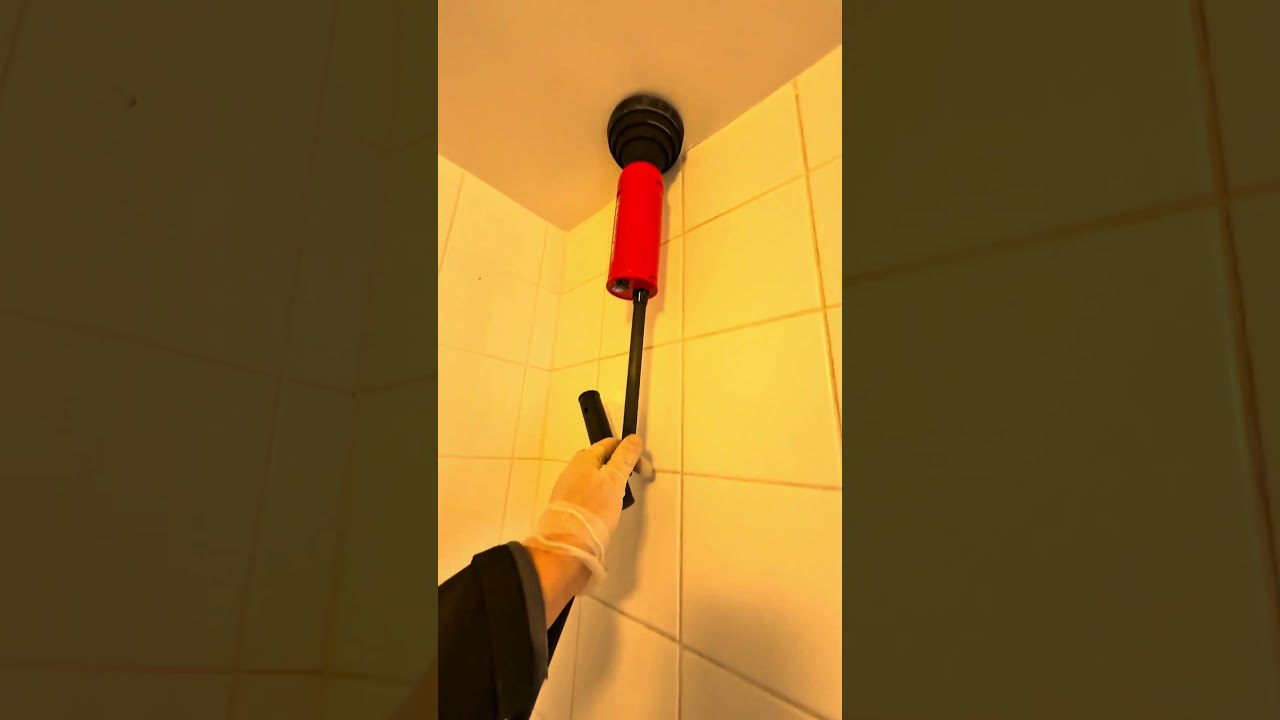
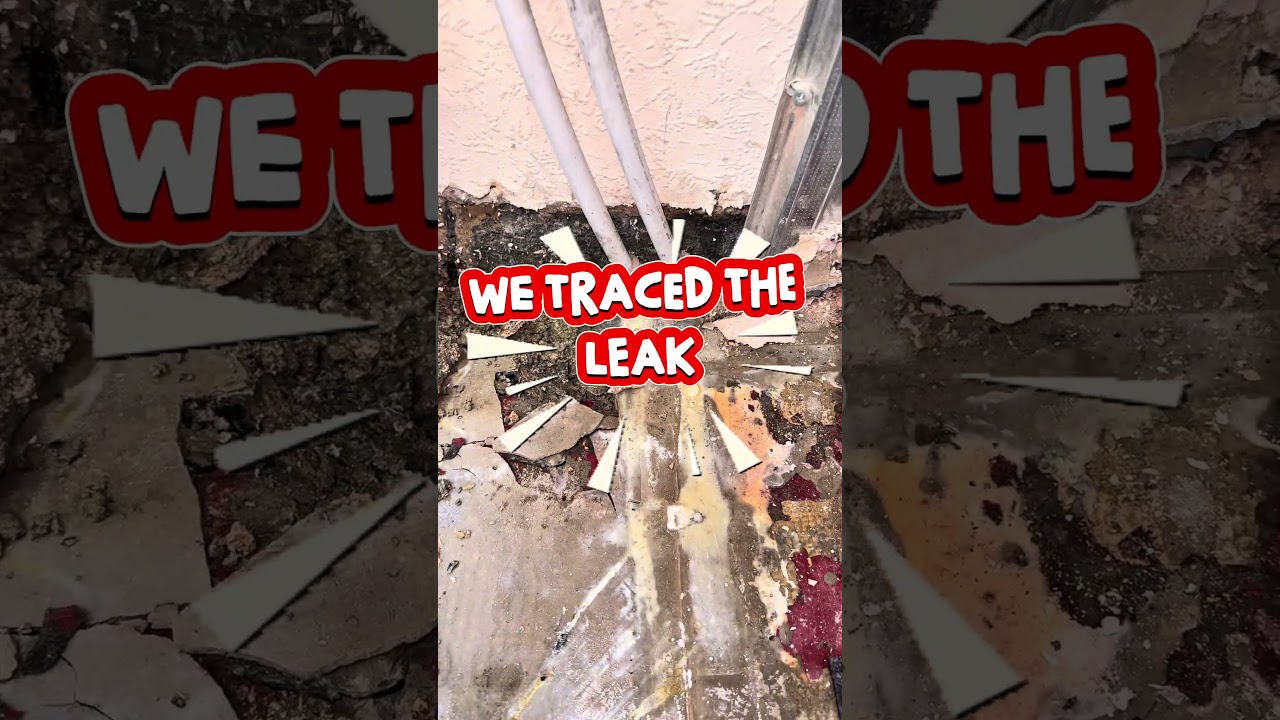
Why homeowners across London call us
Insurers dealing with a trace-and-access claim want the cause found and written up, and that is exactly what our reports provide. MML Plumbing is a specialist leak detection company covering London and North London, and over more than 15 years, our team has built its name by finding what other trades walk away from. Fully insured and 5-star rated, we leave a clear, insurance-ready report at the end of every job. Much of our diary comes from people already let down once by trial-and-error repairs, which is why we settle the fault with evidence before anyone reaches for a cutting tool.
Related questions
Some pressure-loss problems only become clear when the system is tested methodically rather than relying on visible signs alone. These related questions explore further ways to distinguish between concealed leaks, system faults and pressure changes that may have another explanation.
- Could fixing one concealed leak still leave another leak causing the boiler pressure to fall?
- How is a heating system systematically tested when boiler pressure keeps falling?
- Can a problem with the filling loop contribute to recurring boiler pressure issues?
- How can an internal heat exchanger leak affect boiler pressure?
- What happens next when the first investigation does not identify the source of the pressure loss?

Real Investigations from the Field
This section features real boiler pressure loss and hidden heating leak investigations carried out by MML Plumbing across London. Each case shows the symptoms reported, the testing methods used, the evidence found and the confirmed cause of the problem.
These real-world investigations demonstrate how pressure loss and concealed heating leaks are investigated in practice, using evidence to narrow down the source before unnecessary repairs or destructive access are considered.

Boiler Losing Pressure – Two Hidden Heating Leaks Found
A North London homeowner’s boiler was losing pressure rapidly, dropping by around 1 bar in under 10 minutes; our leak detection investigation identified two concealed pipe leaks beneath tiled and concrete floors, which were located, repaired and pressure-tested until the system remained stable. Read the full case study →

Boiler Losing Pressure – Multiple Hidden Faults Found in SW19
A large heating system in SW19 was losing around 3 litres of water per day with no obvious leak; our investigation identified multiple sources of pressure loss, including radiator and air-vent leaks, plus evidence of an internal heating-to-hot-water crossover. MML Plumbing: Read the full case study →

Hidden Heating Leak Traced Beneath the Floor in NW3
A heating system in Hollycroft Avenue, NW3, was repeatedly losing pressure with no visible leak; thermal imaging and hydrogen tracer gas testing produced readings of approximately 1,000 ppm, narrowing the suspected leak to concealed pipework near the plant room and bathroom.
Book a non-invasive leak detection survey.
Minor pressure movement can happen occasionally, but if your boiler keeps losing pressure and needs repeated top-ups, that is not normal, so the sensible move is to find out the reason rather than keep refilling and hoping it settles. At MML Plumbing, we work out first whether the cause is the expansion vessel, the relief valve or a genuine boiler leak in the system, using non-invasive leak detection, then pinpoint it exactly; pressure can affect heating or hot water performance and overall efficiency. A real leak only grows more expensive the longer it runs — a gauge that keeps dropping ends as soft joists and stained ceilings, with visible signs such as rust, drips, or water damage where it does show itself, and that cost lands in flooring and plaster, never in a moment at the filling loop. Our approach holds steady because it is the one that works: clear the boiler-side faults first, prove any loss with pressure testing, then bring thermal imaging, acoustic detection, moisture mapping and hydrogen tracer gas to bear until the source is beyond doubt. What you walk away with is an exact cause, a plain explanation, and an insurance-ready report you can act on. Book a survey with MML Plumbing at a date and time that suits you, and we will tell you for certain whether your pressure loss is normal or a fault worth fixing.

