


No guessing. No damage. Just clear answers.
Where does acoustic detection prove its worth?
- It hears leaks with no visible signs, where there’s no dripping, staining or dampness at the floor surface.
- It confirms what thermal imaging only suggests, turning a suspect area into a confirmed one.
- It works where warmth is ambiguous, such as thick screed that spreads heat evenly.
- It picks up small, high-pressure leaks well, often better than larger ones.
- It follows the sound along the run to the loudest, closest point to the leak.
- It’s completely non-invasive. Nothing is lifted or drilled to listen.

How can you hear a leak through a floor or wall?
Escaping water isn’t silent. Even a hidden water leak makes noise. It just isn’t loud enough for the unaided ear.
When water is forced out of a pressurised heating pipe through a small gap, it makes a continuous sound as it sprays against the surrounding screed, timber or masonry. That sound travels through solid building materials and along the pipe wall itself, spreading out from the leak, and the same principle helps technicians hear where water or tracer gas can escape from a small fault.
Acoustic leak detection uses two kinds of acoustic listening devices:
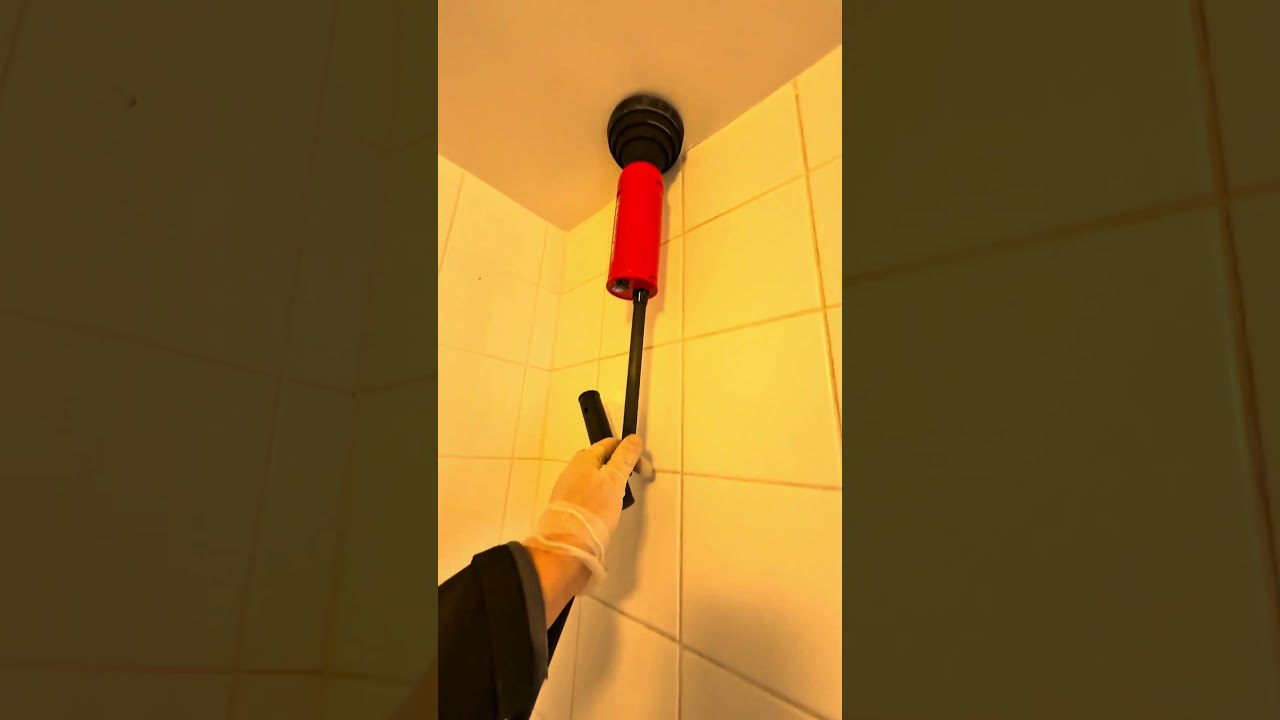
- Ground microphones, placed on the floor surface, which pick up sound coming up through the structure.
- Contact sensors, placed on exposed heating pipes, valves and radiator tails, which pick up sound travelling along the pipework.
The equipment filters and amplifies the signal, so we can hear sound far too faint to notice standing in the room. We move the sensor across the floor or along the wall in a grid and listen for where the sound is loudest and clearest. That’s the point closest to where the escaping water is.
Why is a small leak sometimes easier to hear?
This surprises most people. You’d expect a bigger leak to be louder, but for detection, the opposite is often true.
Pinholes, often caused by internal corrosion, force water through a tiny gap at high speed. That produces a sharp, high-frequency hiss, which carries well and stands out clearly on the equipment. A larger split may lose more water, but at a lower speed, which produces a duller, lower sound that’s harder to pick out from background noise.
So the tiny leaks that give thermal imaging the least to work with- barely any temperature changes and no damp- are sometimes exactly the ones acoustic detection picks out best. That’s why we use the two together.
How does acoustic detection compare with thermal imaging?
They detect leaks in completely different ways, which is exactly why they work so well together in central heating leak detection.
- Thermal imaging cameras see heat. With hot water circulating, they trace the warm pipe and show where escaping water has cooled or spread in the floor. They need the heating on and a clear temperature contrast. Thick screed, underfloor heating or crossing pipes can blur the picture.
- Acoustic equipment hears pressure. It doesn’t need heat at all. It needs the pipe under pressure and a quiet room. It struggles with plastic pipe and background noise, but it’s excellent on copper under solid floors.
Where one is weak, the other is often strong. On a flat thermal image, acoustic detection can still find the leak. On plastic underfloor pipe, where sound dies quickly, thermal imaging usually does the work. In our experience, using both is the most reliable way to find central heating leaks without lifting floors on a guess.
When does acoustic detection work best, and when does it struggle?
We’re honest about its limits, because knowing them is what makes it reliable. From the jobs we attend:
It works best when:
- the leak is in a copper pipe, which carries sound well
- the system is kept under pressure during the test, so the leak keeps hissing
- the pipe is under a concrete floor or screed, which transmits sound clearly
- the property is quiet, with appliances, pumps and fans switched off
It needs support from other methods when:
- the pipe is plastic, including most underfloor heating pipes, which dampens sound
- the pipe is deep or heavily insulated
- there’s background noise from traffic, neighbours, a running circulation pump or a fridge
- The leak is on a suspended timber floor with a large void, where sound can be muffled or bounce around
- The loss is so small that pressure behind it is low
In good conditions, acoustic detection can narrow a leak down to within a few centimetres. In harder conditions, it tells us the area, and another method finishes the job.
Does acoustic detection work on its own?
Rarely, and we don’t rely on it alone. It’s a confirming and locating tool.
On a quiet floor over a pressurised copper run, it can be superb. But on its own, it can be thrown off by noise, pipe layout and building materials. Its real strength is in combination:
- Pressure testing proves the system is losing pressure and which run is losing it.
- Thermal imaging shows the warm pipe and flags the suspect area.
- Acoustic detection confirms water is escaping there and narrows it to the loudest point.
- Moisture mapping confirms water has gathered in the fabric at that spot.
- Hydrogen tracer gas settles the exact point when precision matters. The section is drained, the gas rises through the floor at the leak, and a detector picks it up.
When the camera and the microphone agree, confidence is high. When the tracer gas agrees too, we mark the floor.
What does acoustic detection involve on the day?
Most homeowners are surprised how quiet and hands-off it is.
- We make the house as quiet as possible. We’ll ask you to switch off washing machines, dishwashers, extractor fans and music for a short while. The heating pump is often turned off, with the system kept under pressure, and obvious trapped air issues are ruled out before listening.
- We may raise the system pressure slightly, within safe limits for your boiler and heating system, to make the leak louder.
- We work in a grid, moving the ground microphone across the floor surface in small steps and noting the readings.
- We compare readings along the run until one spot is consistently loudest.
It takes patience, but nothing is lifted, drilled or damaged. There are no chemicals, no heat and nothing added to your system. It’s simply listening, which makes it one of the safest ways to investigate a water leak in an occupied home, including around children, pets and finished floors you don’t want disturbed.
Can I listen for a leak myself?
Not effectively through a floor. The sound from a hidden leak is too faint for the human ear. But you can check the parts of the system you can see:
- Wrap a dry blue paper towel around exposed joints, radiator valves, and the pipes under the boiler while the heating is on. Even a slow leak will mark it.
- Check radiators for water stains or rust before assuming the leak is under the floor.
- Listen near radiators and the boiler with the heating off. A constant hiss or sound of running water when nothing should be moving is worth reporting.
- Watch the pressure gauge each morning to help find a leak. If the boiler pressure keeps dropping and you’ve found nothing, the leak is almost certainly hidden.
One caution: avoid pouring liquid leak sealant into the system to “cure” a pressure loss before it’s been investigated. In our experience, it can mask a leak temporarily and make it harder to find, while the water damage carries on.
Where does acoustic detection help most?
On the concealed runs that give nothing else away. A sealed central heating system holds very little spare water, so even a slow leak causes you to lose pressure within days. Heating leaks we trace with acoustic equipment most often sit:
- in copper pipe cast into a concrete floor or screed, where thermal images are flat
- inside walls, in the drops feeding radiators
- along long runs under hallways and landings, where the loudest point narrows a long search quickly
The same approach works on heating systems in residential and commercial properties. In larger buildings, with more background noise and longer runs, it’s paired even more closely with isolation testing.


Why choose a leak detection specialist with acoustic equipment?
Because some hidden leaks hide from the eye and the camera but can’t hide from a microphone. A professional leak detection company with the full range of specialist equipment can switch methods when one struggles, rather than guessing and opening the floor.
MML Plumbing is a leak detection specialist working across London and North London. We’re fully insured and 5-star rated, and every survey ends with a written, insurance-ready report setting out each method used, what it found and exactly where the leak is. That’s the evidence most insurance policies with trace and access cover will ask for.
Related questions
- Could a hidden leak in my underfloor heating be causing repeated pressure drops?
- How can hydrogen tracer gas help pinpoint a concealed heating leak?
- Can a thermal camera reveal where heating system pressure is being lost?
- Could a leaking radiator connection be responsible for recurring pressure loss?
Real Leak Detection Examples From North London Homes

A hidden leak nobody can find? Let us listen for it
If your boiler keeps losing pressure and every visual check has come up empty, the leak is probably making a sound you can’t hear. The longer it runs, the more water goes into your floors and walls, so it needs immediate attention.
MML Plumbing will hear it, see it and prove it, then show you the one spot to open.
- Acoustic, thermal and tracer gas equipment used together, so no leak depends on a single method.
- Completely non-invasive until the leak is proven, then one small opening
- A written, insurance-ready report for any trace and access claim
- Fully insured and 5-star rated, across London and North London
How to book:
- Call or send the form. Tell us about your floors and how fast the pressure is dropping.
- We investigate. We confirm the loss, isolate the run and locate the leak with the methods it needs, so the findings can be passed on for targeted repairs without unnecessary opening-up.
- You get the exact spot and the report, ready for the repair, any follow-up work and your insurer.

Real Investigations from the Field
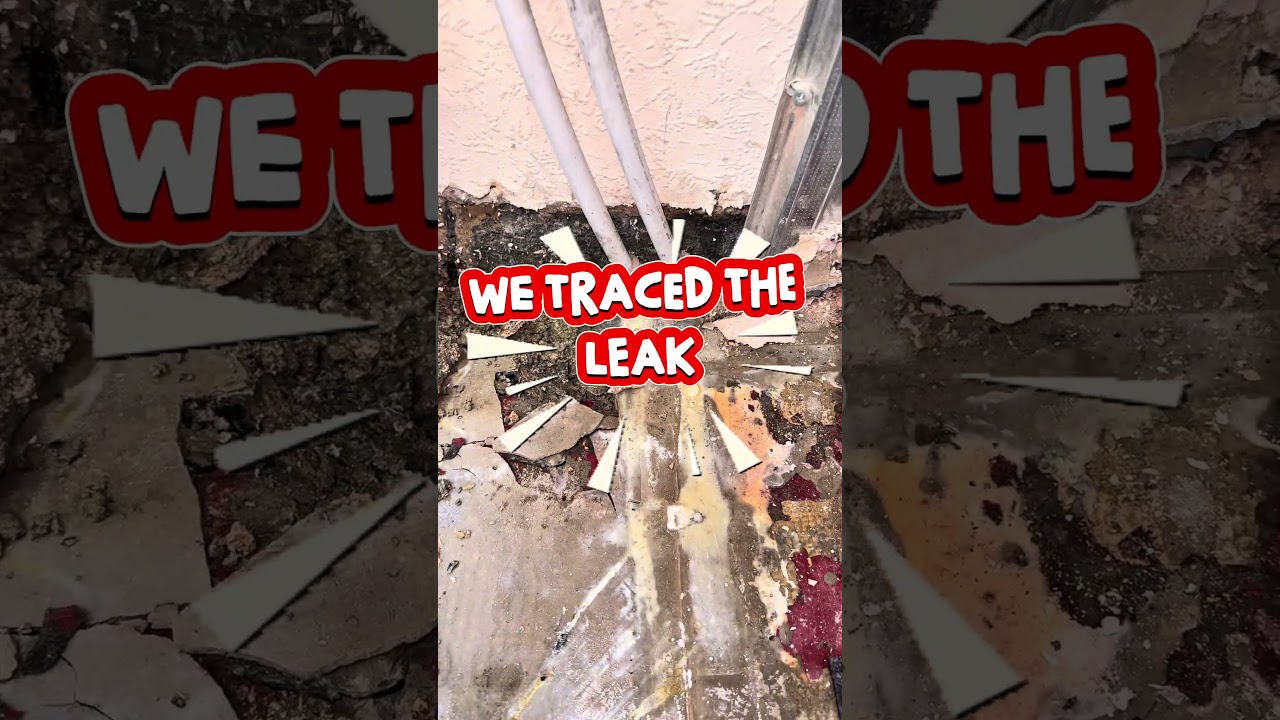
This section features real boiler pressure loss and hidden heating leak investigations carried out by MML Plumbing across London. Each case shows the symptoms reported, the testing methods used, the evidence found and the confirmed cause of the problem.
These real-world investigations demonstrate how pressure loss and concealed heating leaks are investigated in practice, using evidence to narrow down the source before unnecessary repairs or destructive access are considered.

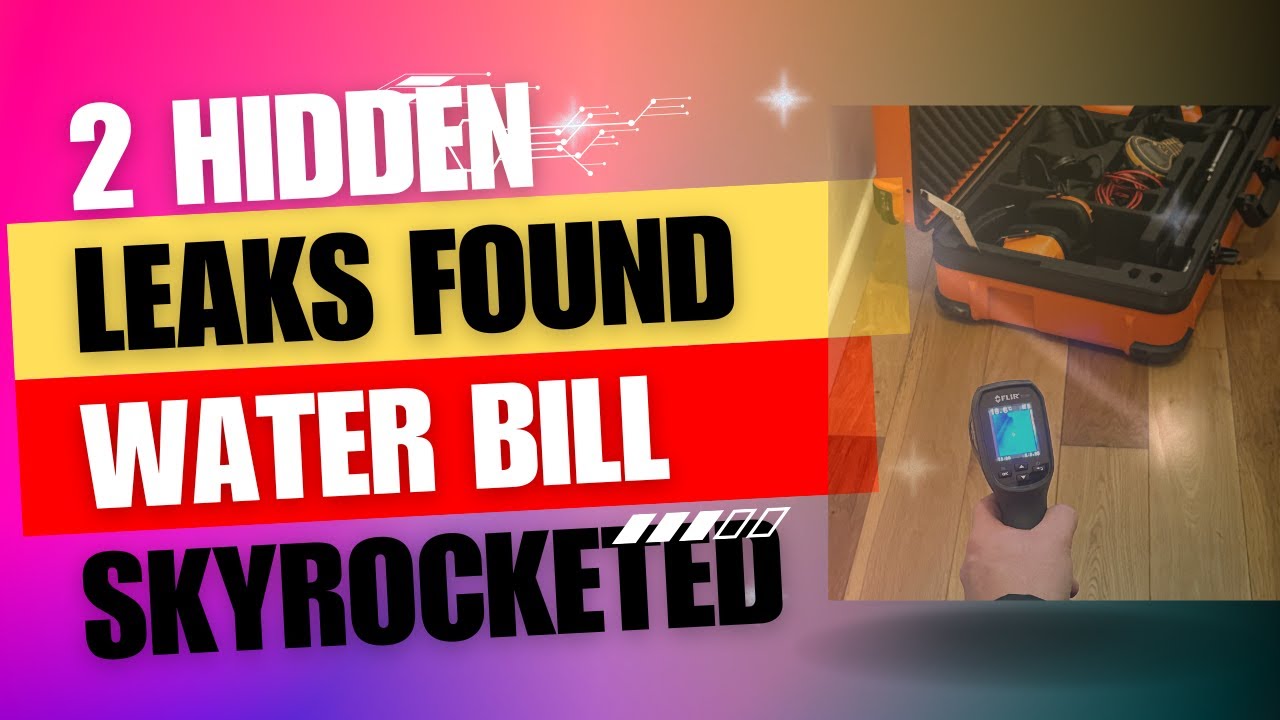
Boiler Losing Pressure – Two Hidden Heating Leaks Found
A North London homeowner’s boiler was losing pressure rapidly, dropping by around 1 bar in under 10 minutes; our leak detection investigation identified two concealed pipe leaks beneath tiled and concrete floors, which were located, repaired and pressure-tested until the system remained stable. Read the full case study →

Boiler Losing Pressure – Multiple Hidden Faults Found in SW19
A large heating system in SW19 was losing around 3 litres of water per day with no obvious leak; our investigation identified multiple sources of pressure loss, including radiator and air-vent leaks, plus evidence of an internal heating-to-hot-water crossover. MML Plumbing: Read the full case study →

Hidden Heating Leak Traced Beneath the Floor in NW3
A heating system in Hollycroft Avenue, NW3, was repeatedly losing pressure with no visible leak; thermal imaging and hydrogen tracer gas testing produced readings of approximately 1,000 ppm, narrowing the suspected leak to concealed pipework near the plant room and bathroom.

