


No guessing. No damage. Just clear answers.
How can I check the automatic air vent myself?
Get eyes on it, which usually means getting above it.
- Find the vent. It’s most often on top of the pump or at a high point near the boiler or cylinder. It looks like a small brass cylinder with a cap on top.
- Look for residue, not water. Check for a chalky ring around the vent cap, a stain on the bracket, or a rusty trail running down the pipe below.
- Check it hot. Run a finger around the vent while the system is hot and up to pressure. A failing vent can leak water only when hot, and it will feel damp even when nothing is visibly dripping.
- Check below it. If the vent sits above a ceiling void or a cupboard, look at the surface underneath for a faint stain that keeps drying and reappearing.
A vent that is weeping nearly always leaves a mark, even if it’s bone dry the moment you look. If you find signs of it, keep a towel beneath it to limit water damage until it’s dealt with.

Who should replace a leaking air vent?
Replacing a faulty vent or working on the system components themselves isn’t MML Plumbing’s work, and we’d rather tell you plainly than have you book the wrong survey. If the vent is clearly weeping, a new vent is usually a simple replacement. Proper thread preparation is crucial for a leak-free air vent installation. Having the system checked for the debris that caused the failure helps the new one last. Routine maintenance work such as system flushing and annual servicing keeps sludge down and extends the life of every valve, on older installations and after fitting a new boiler alike.
MML Plumbing is a specialist leak detection company. What we do is find where water is escaping and prove it. We come in when the vent has been checked or replaced, and the pressure is still dropping, or when there’s no obvious cause at all. At that point, the water is going somewhere concealed, and finding it is exactly what we’re for.
Could it be something other than the air vent?
It could. These are the other common reasons for pressure drops in a sealed system:
- A faulty expansion vessel. If it has lost its air pressure, the pressure spikes when the heating is on, the pressure relief valve releases water, and the system loses pressure as it cools.
- A passing pressure relief valve. Look for dripping from the small copper pipe outside.
- Bleed valves on radiators. A radiator bleed valve not fully closed after bleeding can weep in the same quiet way.
- A hidden leak. A pinhole or weeping joint in pipework under floors or inside walls.
What if the vent checks out and the pressure still falls?
Then the loss is somewhere on the pipework you can’t see, and that’s where MML Plumbing’s work begins.
A sealed system holds so little spare water that even a leak far too small to notice will pull the gauge down within days. We’ve traced leaks losing so little that a week’s worth would fit in a mug. They give almost nothing away: no dripping, no staining, no damp patches. The water either soaks into a subfloor void or dries against a warm pipe before it reaches a surface.
These leaks hide in the concealed runs: beneath suspended floors, cast into screed, or dropping inside walls to feed the radiators. Being told there’s no obvious cause is not the same as there being no cause.

How does MML Plumbing find a hidden leak?
We narrow the search before we open anything, because guessing which floor to lift is what we’re usually called in to correct.
First, we pressure test the system to prove the loss is real and measure how fast it’s happening. Then we isolate sections of the heating circuit and test each one on its own, so we can say which run is losing and which is holding. That step alone usually rules out most of the property, which is why we rarely disturb more than one small area.
From there we read the structure with instruments rather than assumptions:
- Thermal imaging traces pipe runs through floors and walls. We look for a soft, cooler bloom spreading off a clean warm line, not a dramatic hot spot.
- Moisture mapping shows where water has gathered in the building fabric, even where the surface feels dry.
- Acoustic leak detection listens for the thin hiss of water forcing out under pressure.
- Hydrogen tracer gas pinpoints the exact position when a leak still won’t show itself, rising out at the single point where the pipe has failed.
No single method closes the case alone. A thermal image can mislead where two runs cross or where underfloor heating is present, so we only mark the floor once the methods agree.
What equipment does an MML Plumbing survey use?
Every MML Plumbing leak investigation draws on the same kit:
- thermal imaging camera
- moisture meter and moisture mapping
- acoustic leak detection
- pressure testing equipment
- hydrogen tracer gas
- borescope and CCTV
- torch and inspection mirror


Why are small, hidden faults worth a proper look?
The faults that empty a system quietly are rarely the dramatic ones. They’re the small fittings in the places nobody checks, and finding them takes knowing where to look and having the means to prove it.
In more than 15 years working across London and North London, MML Plumbing has been called to plenty of systems written off as a mystery leak. They turned out to be a weeping vent, a valve behind a unit or a pinhole under a board. We’re fully insured and 5-star rated, and every survey ends with a written, insurance-ready report setting out what was tested, what was found and where the water is going. That’s the document your insurer will want if a trace and access claim follows.
Related questions
- Can trapped air create pressure changes that look like a heating system leak?
- Why is my heating pressure still falling after I’ve bled the radiators?
- Where can heating water be escaping if there are no visible signs of a leak?
- Could a weeping automatic air vent cause pressure loss without being noticed?
- Can a leaking radiator tail cause repeated pressure loss?
Real Leak Detection Examples From North London Homes



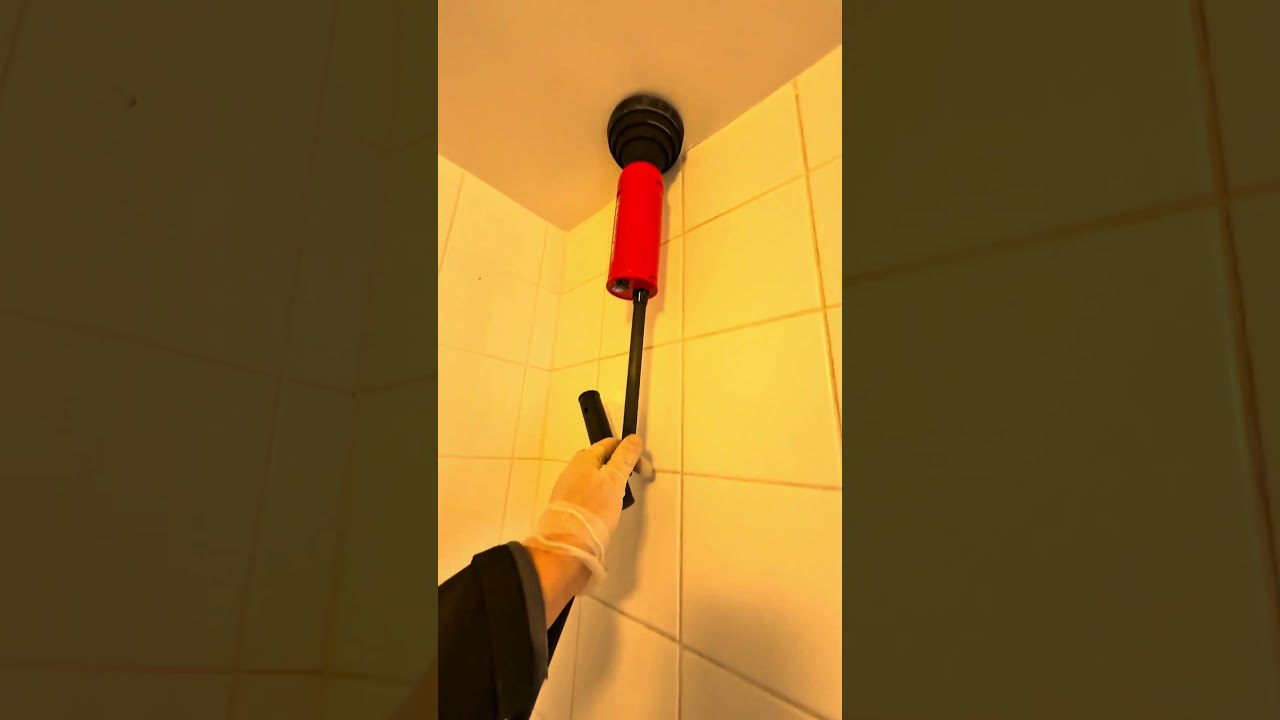
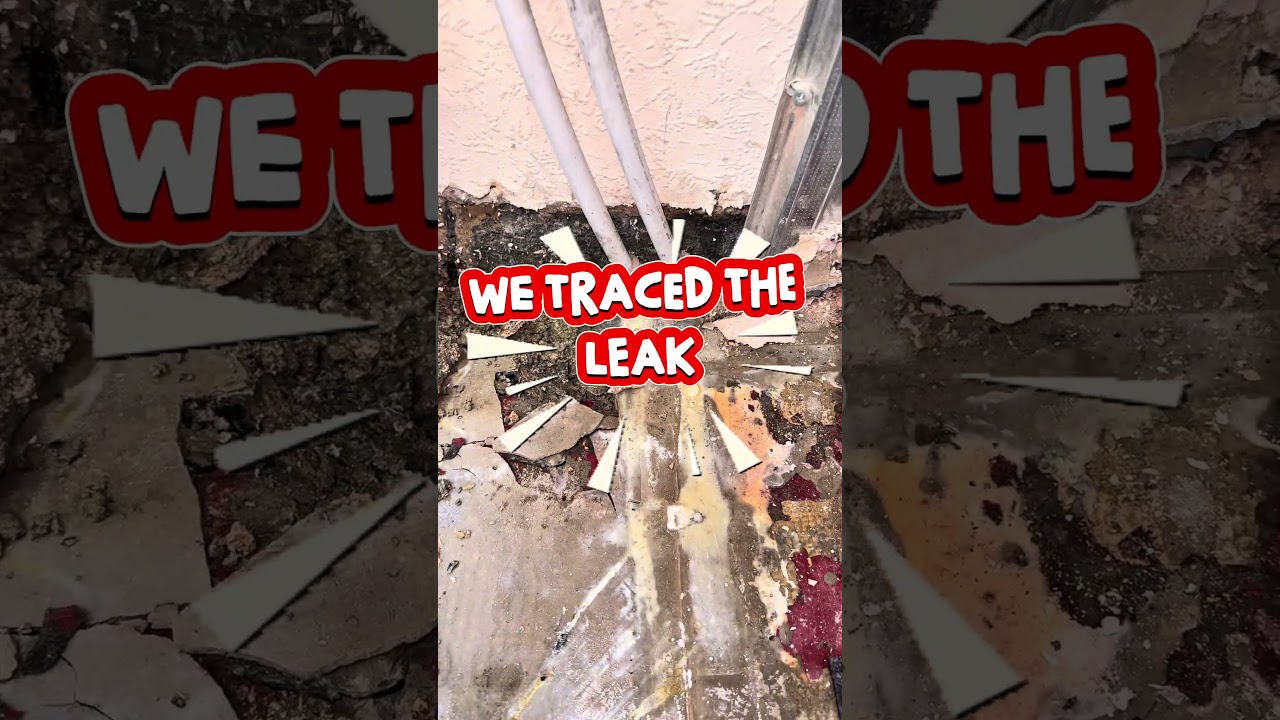
Real Investigations from the Field
This section features real boiler pressure loss and hidden heating leak investigations carried out by MML Plumbing across London. Each case shows the symptoms reported, the testing methods used, the evidence found and the confirmed cause of the problem.
These real-world investigations demonstrate how pressure loss and concealed heating leaks are investigated in practice, using evidence to narrow down the source before unnecessary repairs or destructive access are considered.

Boiler Losing Pressure – Two Hidden Heating Leaks Found
A North London homeowner’s boiler was losing pressure rapidly, dropping by around 1 bar in under 10 minutes; our leak detection investigation identified two concealed pipe leaks beneath tiled and concrete floors, which were located, repaired and pressure-tested until the system remained stable. Read the full case study →

Boiler Losing Pressure – Multiple Hidden Faults Found in SW19
A large heating system in SW19 was losing around 3 litres of water per day with no obvious leak; our investigation identified multiple sources of pressure loss, including radiator and air-vent leaks, plus evidence of an internal heating-to-hot-water crossover. MML Plumbing: Read the full case study →

Hidden Heating Leak Traced Beneath the Floor in NW3
A heating system in Hollycroft Avenue, NW3, was repeatedly losing pressure with no visible leak; thermal imaging and hydrogen tracer gas testing produced readings of approximately 1,000 ppm, narrowing the suspected leak to concealed pipework near the plant room and bathroom.
Pressure still dropping? Book your leak detection survey today
If you’re still topping up and the obvious places have turned up nothing, the fault is somewhere less obvious: high on the system, behind a unit or under a floor. Every week it runs, more water goes into the building, and the damage grows.
MML Plumbing will find it, prove it and show you exactly where it is.
- 15+ years finding hidden leaks across London and North London
- Fully insured and 5-star rated
- Written, insurance-ready report for your trace and access claim
How it works:
- Book your survey. Call or send the form, and we’ll confirm a time that suits you.
- We find the leak. We confirm the loss, isolate the circuits and pinpoint the source with thermal imaging, acoustic detection and tracer gas.
- You get the answer in writing. It shows the exact location, the evidence and the next steps, ready for your insurer.
No guesswork and no lifting whole floors. We only deal with the fault the evidence points to.

