


No guessing. No damage. Just clear answers.
Common causes of the boiler losing pressure include:
- weeping radiator valve at the spindle or gland nut
- corroded valve tail where it joins the radiator
- pinhole rust breaking through a radiator panel
- bleed valve not fully closed after bleeding radiators
- faulty pressure relief valve passing hot water outside
- faulty expansion vessel no longer absorbing pressure changes
This page explains how leaking radiators cause pressure drops, where leaks usually appear, how to inspect radiators and valves, when the boiler fault lies elsewhere, and how MML Plumbing traces and repairs the problem.

So how much can one radiator actually cost you in terms of boiler pressure?
Less water than you would think, and that is what throws people. A radiator valve losing a bead a day is barely a teaspoon by the weekend, yet a sealed system holds so little in reserve that the pressure gauge picks it up within days. Many homeowners look at a slightly damp valve, decide it is far too small to matter, and go on topping up through the filling loop for months. We have proved leaks on a single valve tail that had the owner re-pressurising twice a week all winter. So if you have found a weep on a radiator, do not dismiss it for being small — on a pressurised system, small is all it takes.
But if it is leaking, why can’t I see any water?
Because a radiator leak often dries as fast as it forms. The panel is warm whenever the heating runs, so water escaping at a valve evaporates against it and leaves nothing but a mineral trace. This is why we tell people to look for the residue rather than the moisture — a white or rusty crust around a valve, a green-tinged stain on brass, a hardened ring on the pipework below. Under carpet, the evidence hides even better, and we regularly lift a corner to find the underlay quietly stained beneath a valve the owner had checked and passed as dry. Damp patches on the floor come late. The crust comes early.

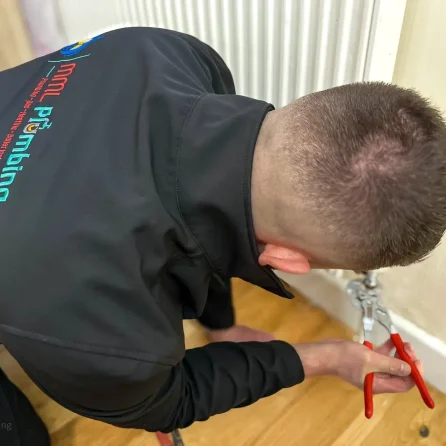
How does an MML engineer inspect a radiator?
Methodically, and with the full kit rather than just eyesight. Every radiator inspection we carry out draws on the same set of tools we bring to any leak investigation:
- torch and inspection mirror
- moisture meter
- moisture mapping
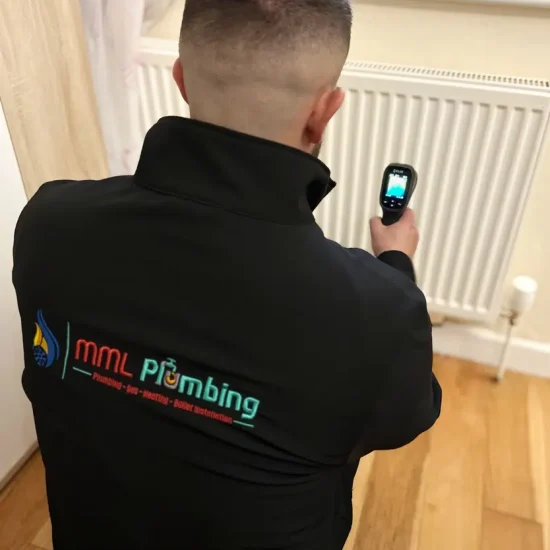
- thermal imaging camera
- pressure testing equipment
- acoustic detection
- borescope and CCTV
- hydrogen tracer gas
We work each radiator from the bottom up — valve heads, gland nuts, the tails at both ends, then the bleed point — checking behind the panel where the fault almost always sits, tight against the skirting on the side nobody can see from the doorway. No single tool closes the case on its own. It is watching them agree that lets us tell you with certainty whether your radiator is the cause, and saves you from lifting the wrong floor to find out.
Where on a radiator do these leaks actually start?
Almost always at the ends, not the middle. The valves are where the moving parts and the joints live, so that is where we look first. A weeping spindle is the most common of all — the gland packing behind the valve head wears, and it seeps whenever the valve is turned. Next is the tail, the threaded fitting joining the valve to the radiator, which corrodes slowly and lets go at the seal. Then there is the bleed valve, which catches people out after they have bled the air: if it is not closed properly, the hissing stops but a slow weep carries on. A rusted-through panel does happen, but it is a late-life failure and far rarer than any of the valve faults.

Could bleeding the radiators have caused this?
It can look that way, and this is one of the most common reasons we are called out for a “sudden” pressure drop. Releasing air from a system will always drop the gauge a little, because you have removed volume — that part is normal, and a top-up back to the sweet spot on the gauge resolves it. What is not normal is the pressure continuing to fall afterwards. If the bleed valve was left fractionally open, or one of the valves was disturbed while working around the radiator, you now have a genuine leak on your hands rather than the after-effect of bleeding. The test is simple: re-pressurise once, then watch the gauge over a few days. Bleeding costs you pressure once. A leak costs you pressure again and again.
Should I just keep topping it up until it gets worse?
We would rather you did not, and here is the honest reason. Re-pressurising is a temporary fix — it restores the reading without touching the underlying problem, and every top-up brings fresh oxygenated water into the system, which accelerates the corrosion that caused the leak in the first place. A weeping valve dripping onto a floorboard for a winter is how a small repair turns into water damage and lifted flooring. Low boiler pressure itself is rarely dangerous, but the system is in low-pressure territory once it drops below its minimum operating pressure, and a drop below 1.0 bar may cause the boiler to shut down or lock out rather than run on; the pressure fluctuations make the boiler work harder in the meantime. Finding and fixing the faulty part now is what stops further damage later.

What if I check every radiator and find nothing?
Then the radiators have done their job by ruling themselves out, and we look for a hidden leak elsewhere in the central heating system— starting at the boiler. The boiler’s pressure relief valve is first: when it stops seating, it discharges system water through a pipe that terminates outside, so nothing appears indoors at all and the only evidence is a damp mark on the outside wall, which is why we walk round the property before we do anything else. On most systems, whatever the model, the gauge should sit around 1.0 to 1.5 bar, with 1.3 to 1.5 bar typically the ideal cold reading. The expansion vessel is next; when its charge fails, it can no longer absorb the expansion as water heats, the pressure goes too high when hot, and the relief valve is forced to lift as a safety measure and release the excess. Both drain a system steadily with nothing to see inside the house. If a combi boiler is losing pressure and the fault looks boiler-side rather than radiator-side, a Gas Safe registered engineer should diagnose it and repair it. That is especially true on a combi, because internal checks may mean you need to remove the casing, which is not a DIY job. And if the boiler comes back sound too, the loss is on concealed pipework — the point at which professional help stops being optional, because guessing which floor to open is how small problems become large ones.
Related questions
When the source of pressure loss is not visible, the next step is to understand whether water is escaping from an accessible component or somewhere within the concealed heating circuit. These related questions cover other faults and investigation routes that can help narrow down the cause.
- Could one hidden leak be masking another source of pressure loss elsewhere in the system?
- Can an automatic air vent lose enough water to affect boiler pressure without an obvious leak?
- Could trapped air be responsible for pressure changes that resemble a hidden leak?
- Why does the pressure fall again shortly after the boiler has been topped up?
- How can a concealed heating leak be located without immediately opening floors or walls?
What does MML Plumbing use when the radiators are clean?
Evidence rather than eyes, and one method checked against another. We start with pressure testing, isolating sections of the circuit to prove the loss is real and narrow it to one run — that single step usually rules out most of the house. Thermal imaging then reads the pipework through floors and walls, and what we look for is not a dramatic hot spot but a soft, cooler bloom spreading off an otherwise clean warm line. Moisture mapping confirms where water has actually collected inside the structure. Acoustic detection listens for the thin hiss of water forcing out under pressure — a leak far too small to see is often perfectly audible through the right kit. When even that will not settle it, hydrogen tracer gas does: a harmless hydrogen-nitrogen blend goes into the drained system and rises out at the single point it can escape. Where there is a route in, borescope and CCTV confirm it by eye before a board comes up. No one method closes the case on its own — it is watching them agree that lets us mark the floor and be right.
Why homeowners across London trust MML Plumbing
When a trace-and-access claim goes in, the insurer wants proof of where the leak was and how it was found — and that is precisely what our reports set out. As a specialist leak detection company working across London and North London, we have spent more than 15 years being called to the faults other trades gave up on. We are fully insured, 5-star rated, and no job ends without a clear, insurance-ready report in your hands. Much of our diary is filled by people who have already paid once for guesswork, so we make certain the evidence stacks up before anyone opens a floor.
Real Leak Detection Examples From North London Homes



Real Investigations from the Field
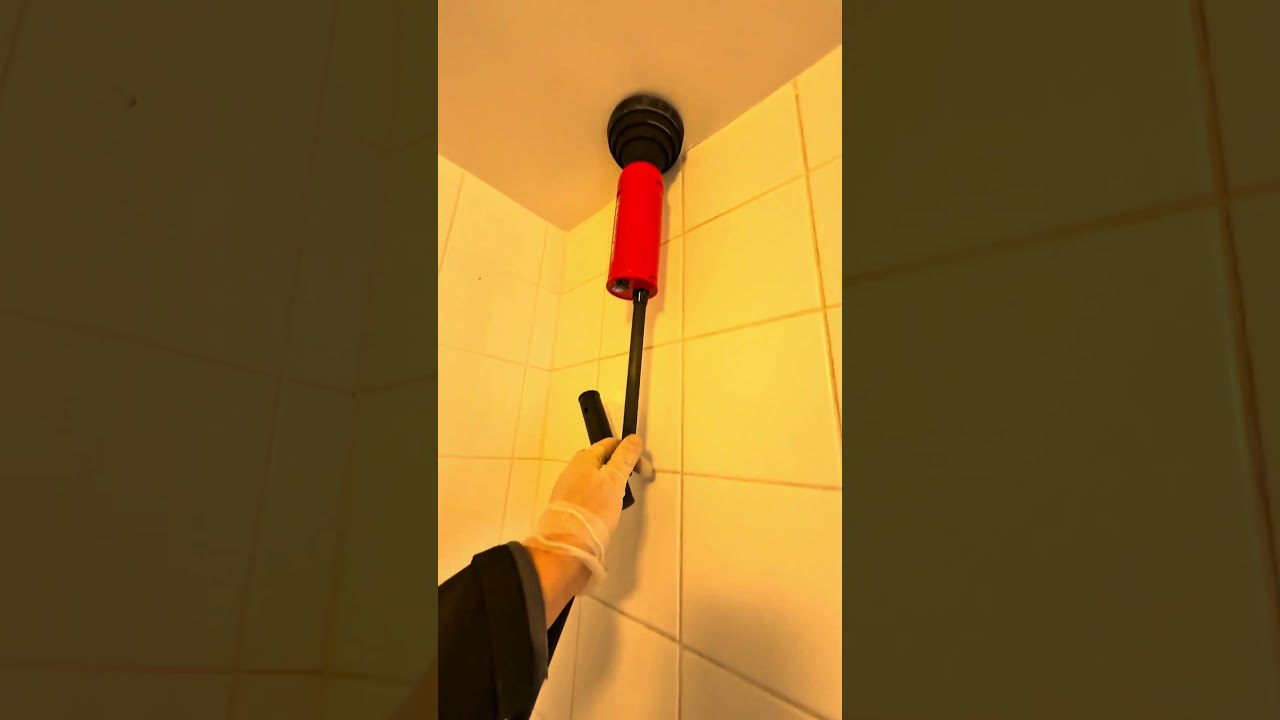
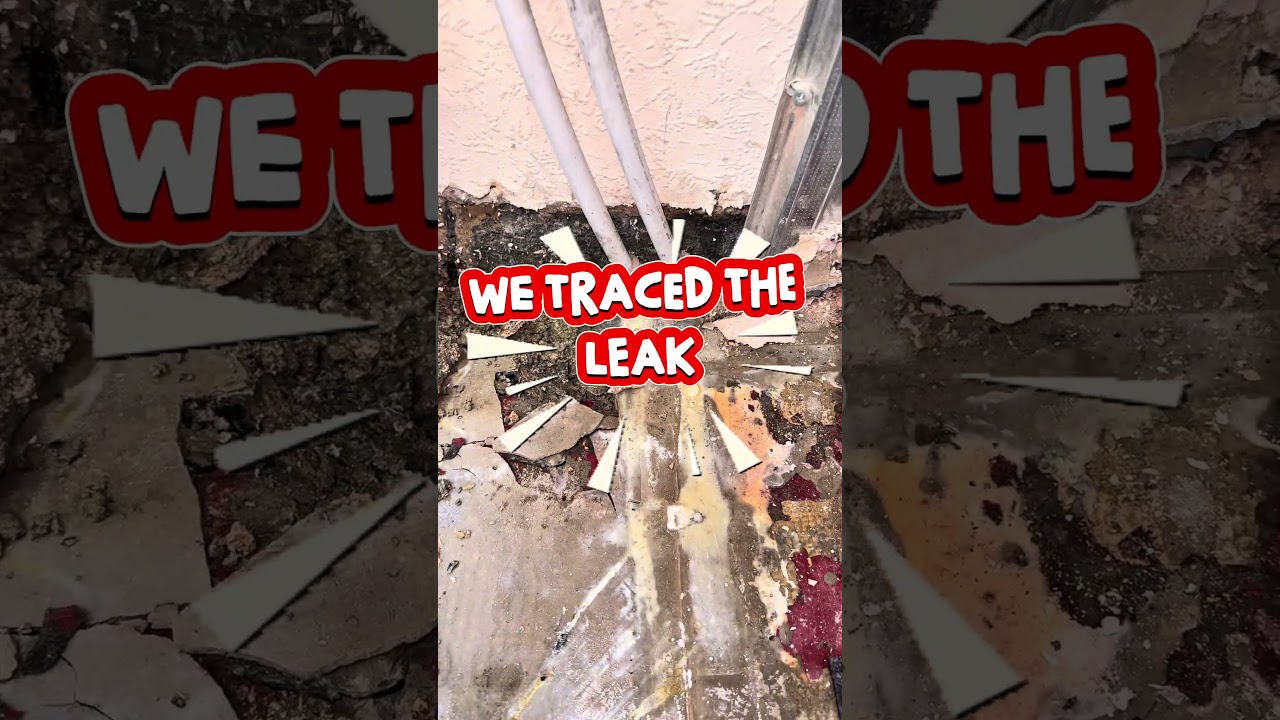
This section features real boiler pressure loss and hidden heating leak investigations carried out by MML Plumbing across London. Each case shows the symptoms reported, the testing methods used, the evidence found and the confirmed cause of the problem.
These real-world investigations demonstrate how pressure loss and concealed heating leaks are investigated in practice, using evidence to narrow down the source before unnecessary repairs or destructive access are considered.

Boiler Losing Pressure – Two Hidden Heating Leaks Found
A North London homeowner’s boiler was losing pressure rapidly, dropping by around 1 bar in under 10 minutes; our leak detection investigation identified two concealed pipe leaks beneath tiled and concrete floors, which were located, repaired and pressure-tested until the system remained stable. Read the full case study →

Boiler Losing Pressure – Multiple Hidden Faults Found in SW19
A large heating system in SW19 was losing around 3 litres of water per day with no obvious leak; our investigation identified multiple sources of pressure loss, including radiator and air-vent leaks, plus evidence of an internal heating-to-hot-water crossover. MML Plumbing: Read the full case study →

Hidden Heating Leak Traced Beneath the Floor in NW3
A heating system in Hollycroft Avenue, NW3, was repeatedly losing pressure with no visible leak; thermal imaging and hydrogen tracer gas testing produced readings of approximately 1,000 ppm, narrowing the suspected leak to concealed pipework near the plant room and bathroom.
Book a professional radiator leak detection survey
If your boiler keeps losing pressure and you suspect a radiator, it is worth getting a definite answer rather than re-pressurising every week and hoping. A weeping valve is a quick fix if caught early, and an expensive one left alone; the same is true of anything hiding behind it on the pipework.
Book a survey with MML Plumbing at a time that suits you. We’ll establish whether the pressure loss is coming from a radiator, the boiler or the concealed pipework, locate it precisely using non-invasive leak detection, and give you an insurance-ready report setting out the evidence and what to do next. If the pressure keeps dropping and the cause is still unclear, expert help from a plumber is the safest option.

