


No guessing. No damage. Just clear answers.
Common causes include:
- hidden pipe weeping under a floor or in screed
- faulty pressure relief valve passing water outside
- faulty expansion vessel no longer holding its charge
- loose connections at radiator valves
- trapped air clearing after recently bled radiators
- persistent leaks on the run to the hot water cylinder

So can the leak really be the reason?
It genuinely can, and here is why the numbers work against you. A modern central heating system holds only a small, fixed volume of water at around 1.5 bar, so it does not take much of a leak to move the gauge, and the right pressure range affects heating efficiency as well as circulation — a weep most people would never spot is enough to drop the boiler pressure noticeably within a week. A drop of around 0.2 bar in two weeks is not considered normal and points to a problem. That is the part homeowners find hard to believe: they picture a leak as a puddle, but the loss that empties a sealed system is often no more than a bead of water forming and drying at a joint. Because the volume in the system is so tight, even that tiny escape shows as steady pressure loss on the dial, and when boiler pressure drops, it can hinder hot water circulation and leave radiators cold. So yes, a hidden leak absolutely can be the underlying cause of a boiler losing pressure — and more often than not, on the jobs we attend, it is.
What we rule out before blaming the pipework
We start by investigating whether the fault is in the boiler or the pipework before blaming a hidden leak, because chasing pipework on a system with an internal fault helps nobody. The faulty pressure relief valve is first — when it stops seating, it lets system water out to the exterior, and the giveaway is usually a damp patch on an outside wall while everything indoors stays dry. The expansion vessel is next: a faulty expansion vessel swings the pressure with temperature, high when hot and low when cold, which looks very different from a steady leak; the boiler pressure level should be checked, and the gauge should be read correctly when the system is cold. We also check whether the radiators were recently bled, since trapped air still clearing will drop the gauge on its own. If pressure continues to fall below 0.9 bar, most boilers will shut down or lock out. Once those internal components come back sound and the pressure is still showing a drop, we can say with confidence the water is leaving the system through a hidden leak — and that is when the real detection begins. If the cause is inside the boiler casing, any internal repair should be handled by a Gas Safe engineer or other qualified engineer, and you should switch the boiler off rather than try to fix it yourself.

Why you will not have seen it yourself
The reason these leaks go unnoticed is simple: there is almost nothing to see. We are regularly met at the door by homeowners certain there is no leak, because they have checked under the sink, behind the boiler and around every radiator and found it all dry, though they may notice rust, corrosion, or residue around radiator valves and exposed joints even when there is no obvious dripping. But a hidden central heating leak rarely leaves damp patches, because the water that escapes is minute and either soaks away into a subfloor void or runs along a warm pipe and evaporates before it reaches anywhere visible. Some people also notice gurgling sounds when air is being drawn into the system. The fault sits where you cannot inspect it — a small copper pipe buried in screed, a joint beneath floorboards, a connection behind plaster, the circulation pump seals, or a run feeding the hot water cylinder. No water dripping does mean no leak; on a concealed heating fault, it is exactly what we expect to find.
How a leak detection specialist actually finds it
Because the leak is hidden, guessing means opening the wrong floor, and we have been called in to correct enough of those to never work that way. Professional leak detection means layering methods until the evidence points to one spot. We start with pressure testing, and a 24-hour pressure test can confirm the leak is real by isolating the heating circuit and narrowing it to one part of the system. Thermal imaging then reads the warmth of the pipework against the cooler structure, so a concealed run and any pooled water show through the floor without anything being opened. Acoustic detection listens alongside for water forcing out of a pressurised pipe, while moisture mapping shows where water has already gathered. Where relevant, underfloor heating manifolds can also be isolated and tested. When the exact point still hides, tracer gas settles it — a harmless hydrogen-nitrogen mix goes into the drained system and rises to the surface at the one place it escapes. Where there is access, borescope and CCTV let us see the fault before a tile is lifted. No single method decides it; the complete process relies on multiple methods agreeing on one location so we can mark the floor and be right — and hand you an exact location rather than a hunch.


Is it worth fixing, or can I just keep topping up the boiler pressure?
If you keep topping up or repressurising the boiler, that usually points to a deeper issue rather than a one-off pressure dip. To fix low boiler pressure for good, you have to find the leak, not chase the symptom. We have lifted floors months into a slow heating leak and found joists soaked, screed saturated, and plaster giving way — internal repairs that dwarf the cost of finding the leak early. A boiler losing pressure itself is rarely dangerous, since most modern boilers lock out rather than run on, and repeated pressure falls are one of the most common causes of that cycle, but the hidden water behind it is what quietly does the damage. Small fluctuations can typically happen, but repeated boiler pressure drops are not. Proving the source once ends the cycle; topping up simply postpones it.
Why homeowners across London call us
Insurers and homeowners across the property want the cause located and documented clearly, and that is exactly what our reports give them. MML Plumbing is a specialist leak detection company covering London and North London, and over more than 15 years, our team has built its name by finding what other trades walk away from. A plumber may find obvious plumbing faults, but this service is aimed at hidden heating leaks that need specialist detection. Fully insured and 5-star rated, we leave a clear, insurance-ready report at the end of every job. A good share of our diary comes from people already let down once by trial-and-error repairs, which is why we recommend evidence-led diagnosis before opening floors or walls.
Related questions
When boiler pressure keeps falling, the pattern of pressure loss can help narrow down where the fault may be. These related questions cover other causes and testing routes that may help explain persistent or unexplained pressure problems.
- Could several small hidden leaks be causing the system to lose pressure together?
- Could a leak in buried heating pipework be causing unexplained pressure loss?
- Could a filling-loop fault be contributing to recurring boiler pressure problems?
- Could an internal heat exchanger leak cause boiler pressure to gradually fall?
- Can hydrogen tracer gas help locate a hidden leak that other checks have missed?
Real Leak Detection Examples From North London Homes



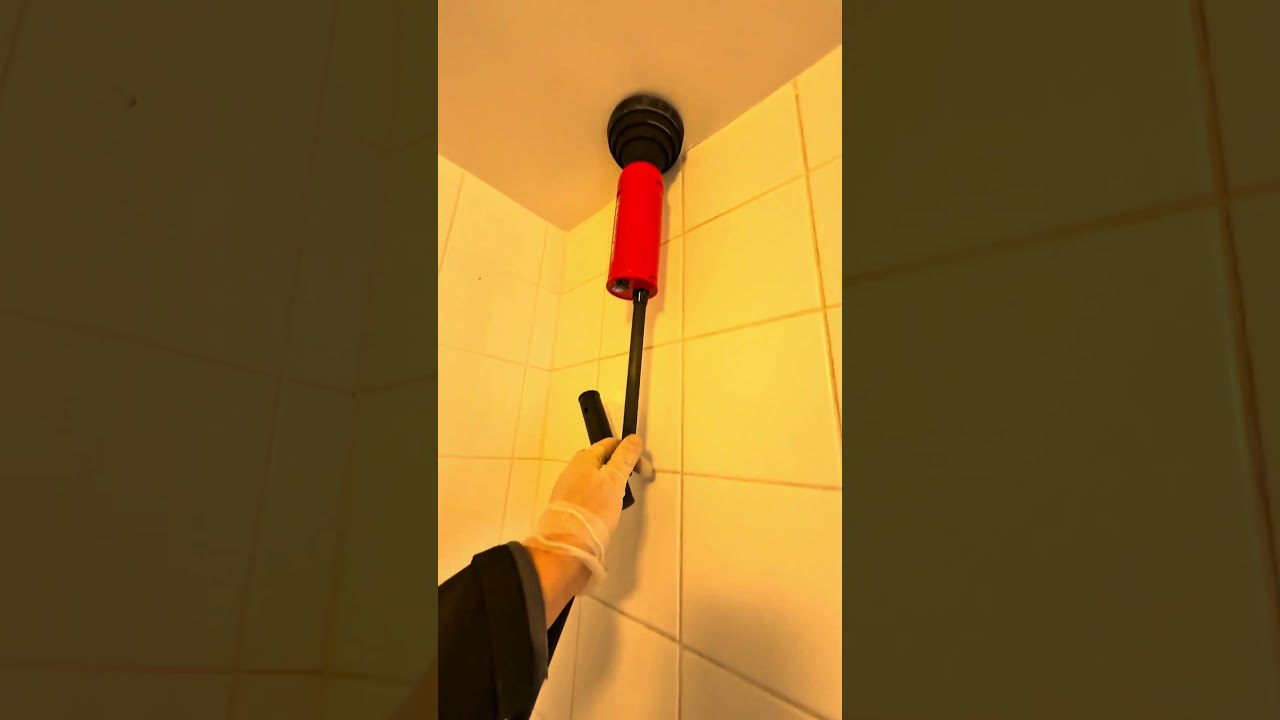
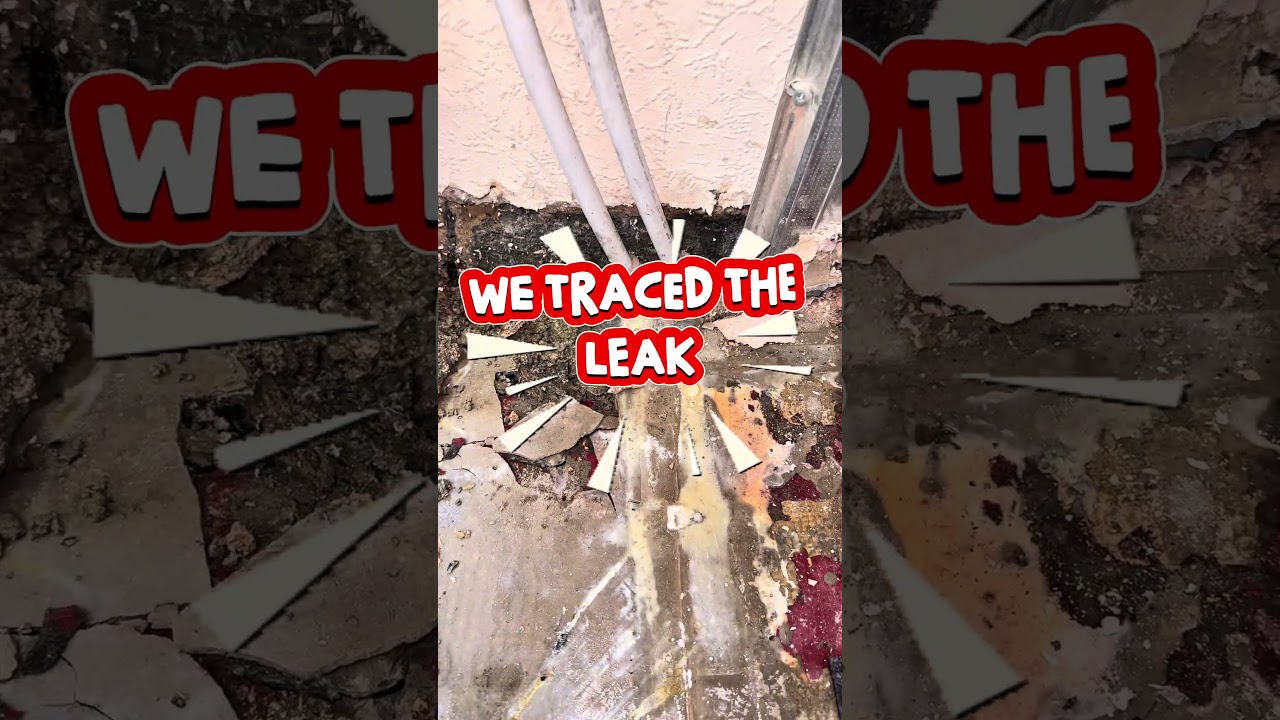
Real Investigations from the Field
This section features real boiler pressure loss and hidden heating leak investigations carried out by MML Plumbing across London. Each case shows the symptoms reported, the testing methods used, the evidence found and the confirmed cause of the problem.
These real-world investigations demonstrate how pressure loss and concealed heating leaks are investigated in practice, using evidence to narrow down the source before unnecessary repairs or destructive access are considered.

Boiler Losing Pressure – Two Hidden Heating Leaks Found
A North London homeowner’s boiler was losing pressure rapidly, dropping by around 1 bar in under 10 minutes; our leak detection investigation identified two concealed pipe leaks beneath tiled and concrete floors, which were located, repaired and pressure-tested until the system remained stable. Read the full case study →

Boiler Losing Pressure – Multiple Hidden Faults Found in SW19
A large heating system in SW19 was losing around 3 litres of water per day with no obvious leak; our investigation identified multiple sources of pressure loss, including radiator and air-vent leaks, plus evidence of an internal heating-to-hot-water crossover. MML Plumbing: Read the full case study →

Hidden Heating Leak Traced Beneath the Floor in NW3
A heating system in Hollycroft Avenue, NW3, was repeatedly losing pressure with no visible leak; thermal imaging and hydrogen tracer gas testing produced readings of approximately 1,000 ppm, narrowing the suspected leak to concealed pipework near the plant room and bathroom.
Book a non-invasive water leak detection survey.
If your boiler keeps losing pressure and you suspect a hidden leak, this practical guide focuses on proving where the water is going rather than keeping refilling and hoping. At MML Plumbing, we establish first whether the cause is the expansion vessel, the relief valve or a genuine hidden leak in the system, and the boiler should be switched off before checks or repressurising are carried out. Using non-invasive leak detection, then pinpoint it exactly with professional detection. A concealed leak only grows costlier the longer it runs — a gauge that keeps dropping ends as soft joists and stained ceilings, and that bill lands in flooring and plaster, not in a moment at the filling loop. Our heating engineer’s approach holds steady because the key step is proving whether the fault sits boiler-side or in the heating circuit; any internal boiler repair should be left to a Gas Safe engineer, then we confirm the loss with pressure testing and bring thermal camera, acoustic detection, moisture mapping and tracer gas to bear until the source is beyond doubt. What you receive is an exact location, a plain explanation of the underlying cause, and an insurance-ready report you can act on. Checking the pressure level twice a year helps catch problems early. Book a survey with MML Plumbing at a date and time that suits you, and we will show you for certain whether a hidden heating leak is behind your pressure loss.

