
An unusually high water bill can result from increased household consumption, a leaking toilet, dripping taps, damaged underground pipes or a hidden water leak. If your water usage has not changed but your bill has increased, checking the water meter and investigating possible plumbing faults can help identify the cause.
Many homeowners assume that rising water bills are simply the result of higher water company charges. Although changes in tariffs can affect what you pay, an unexpected increase in metered water consumption may indicate a problem inside your property.
At MML Plumbing, we investigate water leaks across North London, including properties where the first warning sign was an unexplained increase in water bills. In one investigation, Thames Water reported a 508% increase in water usage, but our testing found no major leak.
In some cases, homeowners notice damp ground, unusual vegetation growth or changes in water pressure. These are among the common signs of a hidden underground water leak.
Replacing a faulty or inefficient fitting may be worthwhile when renovation work is already planned. Homeowners considering wider improvements can also explore whether a plumbing upgrade can add value to their home.
Why Has My Water Bill Suddenly Increased?
A sudden increase in your water bill does not always mean that your property leaks.
Water companies may adjust their charges, issue estimated bills or correct previous meter readings. Changes in household occupancy and everyday water use can also affect consumption.
For example, having additional people living in the property may increase the amount of water used for showers, laundry and washing dishes.
However, if your household habits have remained the same, an unexpected increase deserves closer attention.
One of the first things to establish is whether the bill shows higher water consumption or simply higher charges.
If the amount of water recorded by your meter has increased significantly, a plumbing fault becomes a more important possibility.
A leaking toilet, underground supply pipe, or concealed cold-water connection can waste water continuously without producing obvious signs inside the house.

Could a Hidden Water Leak Be Increasing Your Water Bill?
A hidden water leak is one possible cause of unexplained water consumption.
Unlike a dripping tap, a concealed leak may not produce any visible water.
For example, a damaged cold-water pipe beneath a concrete floor can release water into the surrounding ground or building materials.
The leak may continue for weeks before damp patches appear.
In some properties, water escapes beneath the floor without reaching a visible surface.
This means homeowners may receive a much higher water bill before discovering the problem.
We have investigated properties where underground water supply leaks caused continuous water loss despite there being no obvious dripping pipe or wet fitting.
If you suspect this type of problem, our guide to the signs of hidden water leaks in homes explains the warning signs worth investigating.
How Can Your Water Meter Reveal Unexpected Water Consumption?
A water meter records the amount of water supplied to your property.
For households with metered billing, it provides useful information about changes in consumption.
If your water bill has increased unexpectedly, comparing current and previous meter readings can help establish whether more water has been used.
However, the meter reading alone cannot explain where the water has gone.
A property may have higher consumption because of normal household activity, an appliance fault or a leaking pipe.
If the meter continues recording consumption when no water should be in use, this may indicate an ongoing problem.
The location of the fault still needs to be established.
For example, water loss could originate from a toilet cistern, a concealed pipe or the incoming water supply.
A professional plumber can investigate the relevant plumbing system and determine whether further testing is necessary.
Why Do Leaking Toilets Cause High Water Bills?
A leaking toilet is one of the most easily overlooked causes of unnecessary water consumption.
Many toilet faults do not produce water on the bathroom floor.
Instead, water continuously passes from the cistern into the toilet bowl.
This can happen when the flush valve seal deteriorates, or the inlet valve fails to shut off correctly.
Because the water escapes directly into the toilet, homeowners may not notice the problem.
In some cases, the only visible sign is a small movement of water inside the bowl.
The toilet may also refill unexpectedly, even when nobody has flushed it.
A faulty toilet can waste a substantial amount of water over time, particularly when the problem continues throughout the day and night.
If your water bill has increased, a constantly running toilet should be considered a possible cause.
Our North London plumbing services include suitable toilet repairs, faulty valves and domestic plumbing problems.
Can a Dripping Tap Make a Noticeable Difference to Your Water Bill?
A dripping tap may appear to be a minor inconvenience.
However, a tap that leaks continuously can waste a considerable amount of water over several months.
The amount depends on how frequently the tap drips and how much water escapes each time.
A slow drip will waste less water than a tap producing a steady stream.
Nevertheless, both faults should be repaired.
Common causes include worn cartridges, damaged washers and faulty internal seals.
Older taps may also develop leaks around the spindle or body.
The correct repair depends on the tap design and the condition of its components.
Sometimes, replacing a cartridge or seal is enough. In other cases, replacing the complete tap is more practical.
MML Plumbing provides professional tap repairs and installations across North London.
Repairing a leaking tap can reduce unnecessary water consumption while preventing further wear and damage.
Can an Underground Water Pipe Leak Increase Your Water Bill?
Yes. An underground water supply leak can cause a significant increase in metered water consumption.
The incoming mains water pipe often runs beneath gardens, driveways, pathways or concrete floors before reaching the internal plumbing system.
If this pipe develops a leak, water may escape into the surrounding ground.
Depending on the location and soil conditions, the leak may not produce any visible surface water.
In some cases, homeowners notice damp ground, unusual vegetation growth or changes in water pressure.
However, these signs are not always present.
A continuous leak on a metered supply can result in substantial water loss.
The responsibility for repairing the pipe depends on its location and the relevant water company’s rules.
If the problem appears to be on private supply pipework, professional investigation may be necessary.
Our specialist water leak detection service can investigate suitable concealed and underground water supply leaks using non-invasive testing methods.

What Happens When a Water Leak Is Hidden Beneath a Concrete Floor?
Water leaks beneath concrete floors can be particularly difficult to identify.
The damaged pipe may be buried inside the floor construction or positioned beneath the concrete slab.
Water can travel through the surrounding materials before becoming visible.
As a result, a damp patch may appear some distance from the actual pipe defect.
In some properties, the water escapes into the ground beneath the building.
This can make the leak difficult to recognise without specialist testing.
A continuous cold-water supply leak may also increase metered consumption.
However, damp flooring does not automatically mean that a pressurised pipe is leaking.
Other causes, including moisture entering from outside or problems with the building’s damp protection, may produce similar symptoms.
The source should be established before unnecessary excavation begins.
Professional investigations may involve pressure testing, acoustic equipment, moisture mapping or hydrogen tracer gas.
The appropriate method depends on the pipe material, accessibility and behaviour of the suspected leak.
Does a Water Meter Always Help You Save Money?
A water meter can help some households reduce their bills, but it does not guarantee savings.
With metered billing, charges generally depend on the amount of water recorded and the applicable water and sewerage tariffs.
For households with relatively low consumption, this may be cheaper than an unmetered charging arrangement.
However, larger households or properties with high water usage may not benefit in the same way.
The number of occupants, everyday habits and existing charges all affect the comparison.
A water meter also makes changes in consumption easier to identify.
For example, an unexpected rise in usage may prompt an investigation into a leaking toilet or concealed pipe.
If you are considering switching to metered billing, the Consumer Council for Water provides information about comparing household water charges.
You can also contact your water supplier to understand the options available for your property.
How Much Water Does a Typical Household Use?
Household water consumption varies considerably.
The number of people living in the property is one of the biggest factors.
A household with several occupants will generally use more water than a property occupied by one person.
However, daily habits also matter.
Long showers, frequent washing machine cycles, garden watering and regular baths can all increase consumption.
The type and efficiency of your plumbing fixtures also affect water use.
For example, an older toilet may use more water per flush than a modern dual-flush model.
Similarly, some shower heads deliver considerably more water per minute than others.
There is no single amount of water that every household should use.
Instead, the most useful comparison is often your property’s normal consumption over time.
A sudden change without an obvious explanation may indicate that something needs investigating.
Can Water-Efficient Taps and Showers Reduce Your Bills?
Water-efficient plumbing fixtures can reduce consumption without necessarily making everyday use less comfortable.
For example, some taps use aerators to mix air with the water flow.
This can reduce the amount of water delivered while maintaining a practical stream.
Water-saving shower heads can also limit flow.
However, the result depends on the existing water pressure, flow rate and type of shower.
A fitting that works well in one property may not perform as expected in another.
For this reason, water-efficient products should be chosen with the existing plumbing system in mind.
Replacing a faulty or inefficient fitting may be worthwhile when renovation work is already planned.
However, there is no need to replace every working tap simply to reduce water consumption.
The potential saving should be considered alongside the cost of the new fixture and installation.
Can Replacing an Old Toilet Reduce Water Consumption?
Modern toilets are often designed to use less water per flush than older models.
Dual-flush systems allow different flush volumes depending on the type of waste.
This can reduce unnecessary water use when the toilet operates correctly.
However, the condition of the flush mechanism is just as important as its design.
A modern toilet with a faulty flush valve can waste more water than an older toilet that operates properly.
If water continues flowing into the bowl after flushing, the problem should be investigated.
Sometimes, replacing a damaged valve or seal is sufficient.
In other cases, a complete toilet replacement may be appropriate, particularly during bathroom renovation work.
A plumber can assess the existing installation and explain the available options.
Do Washing Machines and Dishwashers Affect Water Bills?
Washing machines and dishwashers contribute to normal household water consumption.
The amount depends on the appliance, programme and frequency of use.
Modern appliances may offer more efficient wash cycles, but performance varies between models.
Running suitable full loads can help reduce unnecessary cycles.
However, appliances should always be used according to the manufacturer’s instructions.
A plumbing fault connected to an appliance may also cause water loss.
For example, a damaged supply hose or leaking connection beneath a kitchen unit can allow water to escape.
These leaks may not be immediately visible.
If you notice moisture beneath an appliance or unexplained water consumption, the supply connections should be inspected.
MML Plumbing can investigate suitable plumbing supply connections, although we do not repair the internal mechanical or electrical components of washing machines and dishwashers.

Can Garden Watering Increase Your Water Bill?
Outdoor water use can make a noticeable difference to metered consumption, particularly during warm weather.
Garden hoses can deliver substantial amounts of water in a relatively short period.
Regularly watering lawns, plants and outdoor surfaces may therefore increase household usage.
The amount depends on the hose flow rate and how long the water runs.
Collecting rainwater in a suitable water butt can reduce the need to use mains water for certain gardening activities.
Rainwater can be useful for watering plants where appropriate.
However, stored rainwater should not be treated as drinking water.
Garden taps and external pipework should also be checked for leaks.
A damaged outside tap or underground garden supply can waste water without being noticed inside the property.
If the water meter records unexplained consumption, external pipework may need to be considered during the investigation.
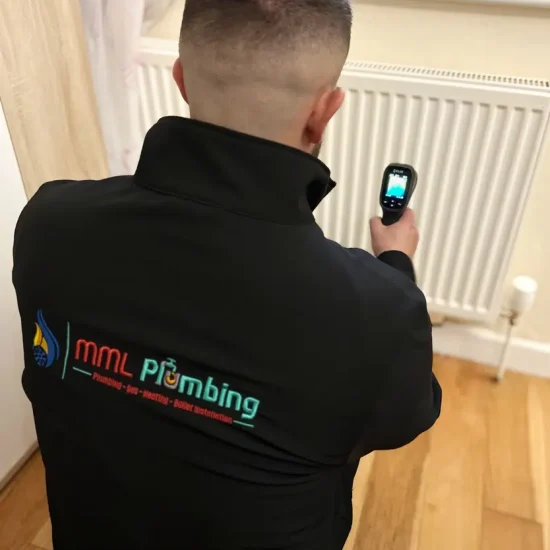
Why Is It Important to Repair Small Plumbing Leaks Early?
A small leak can develop into a larger problem if it remains untreated.
For example, a dripping compression fitting beneath a kitchen sink may gradually damage the cabinet.
Water can also spread beneath flooring or behind walls.
The resulting damage may become more expensive to repair than the original plumbing fault.
In metered properties, continuous leakage can also increase water charges.
However, the financial impact depends on the amount of water escaping and the applicable tariff.
Repairing leaks early helps reduce water waste and limits the risk of further property damage.
Not every leak requires specialist equipment.
Visible faults around taps, toilets and accessible pipe connections can often be diagnosed through a normal plumbing inspection.
More complex concealed leaks may require additional testing.
Why Is My Water Bill High When There Is No Visible Leak?
An unusually high water bill without visible water damage can have several explanations.
The first possibility is that household consumption has increased.
For example, additional occupants, garden watering or more frequent appliance use can affect the meter reading.
A second possibility is a billing or meter-reading issue.
Estimated readings and corrected bills can sometimes make charges appear unexpectedly high.
However, if the recorded water consumption has genuinely increased and household habits remain unchanged, a hidden leak becomes a concern.
A continuously running toilet may waste water without leaving the bathroom floor wet.
Similarly, a damaged underground water supply pipe may release water into the surrounding ground.
Concealed pipework beneath concrete floors can also leak without producing immediate surface damage.
The investigation should begin by distinguishing normal water use from unexplained consumption.
If the evidence suggests a plumbing fault, professional testing can help narrow down the source.
Can You Claim Back Water Charges After a Leak?
Some water companies offer leakage allowances in certain circumstances.
These may reduce eligible water or sewerage charges after a qualifying leak has been repaired.
However, the rules vary between suppliers.
Eligibility can depend on the location of the leak, whether the property is metered, previous claims and how quickly the problem was repaired.
A leakage allowance is not guaranteed.
Water companies may also require evidence of the repair.
If you discover a leak that has increased your water bill, contact your supplier to understand its current policy.
Keep relevant records, including meter readings, photographs and repair documentation.
Where a specialist investigation is required, a technical leak detection report may help explain the findings.
MML Plumbing provides photographic reports for suitable non-invasive leak investigations.
When Should You Contact a Plumber About a High Water Bill?
A higher water bill does not automatically require a plumber.
First, establish whether the increase comes from higher tariffs, a corrected meter reading or additional household consumption.
However, if the amount of water used has increased unexpectedly, a plumbing inspection may be appropriate.
This is particularly important when there are signs of a continuously running toilet, leaking tap, damp flooring or unexplained water movement.
The type of inspection depends on the symptoms.
An accessible toilet or tap fault may require a straightforward plumbing repair.
A suspected underground or concealed supply pipe leak may need specialist testing.
At MML Plumbing, we assess the reported symptoms before recommending the appropriate investigation.
Our approach is to establish what the evidence shows rather than assuming every high water bill is caused by a hidden leak.

Professional Plumbing and Leak Detection in North London
MML Plumbing Ltd is a family-run plumbing and specialist leak detection company based in Barnet, North London.
We provide plumbing repairs, leaking tap and toilet repairs, water supply investigations and non-invasive leak detection for suitable concealed pipework.
Our engineers use appropriate testing methods to investigate suspected leaks and explain the findings.
Where a hidden water leak is confirmed, we can advise on suitable repair options.
For customers experiencing unexplained water consumption, identifying the source is often the most important step towards resolving the problem.
You can learn more about our professional plumbing services or request an assessment through our plumbing quotation page.
Buying a Home? Know What Plumbing Repairs You May Face
Get a clearer picture of the property’s plumbing before you commit. MML Plumbing can assess accessible systems, explain any concerns we find, and help you plan your next steps. Request a pre-purchase plumbing survey quote.
Frequently Asked Questions About High Water Bills
Question not answered? Ask A Question by email
Why Has My Water Bill Doubled Suddenly?
A water bill may increase because of higher tariffs, corrected meter readings, increased household consumption or a plumbing leak. If your bill shows significantly higher water usage rather than simply higher charges, investigate whether a toilet is running continuously or a pipe is leaking. Underground supply leaks can also cause substantial water loss without visible damage. Your water supplier can help clarify the billing information, while a plumber can investigate suspected plumbing faults.
Can a Hidden Water Leak Cause a High Water Bill Without Damp Patches?
Yes. A concealed water supply leak can increase metered consumption without producing visible damp patches. For example, an underground pipe may release water into the surrounding soil. A pipe beneath a concrete floor may also leak without immediate surface damage. However, unexplained consumption does not prove that a leak exists. Suitable testing is needed to establish whether water is escaping from the plumbing system.
How Much Water Can a Leaking Toilet Waste?
The amount depends on the type and severity of the fault. A small amount of water passing continuously into the toilet bowl may go unnoticed, while a badly damaged flush valve can allow much greater water loss. Because the leak can continue throughout the day, the total consumption may become significant. A plumber can inspect the cistern and identify whether the inlet valve, flush valve or another component requires repair.
Is It Cheaper to Have a Water Meter in the UK?
A water meter can be cheaper for some households, particularly where water consumption is relatively low. However, savings are not guaranteed. The comparison depends on household size, usage patterns and the existing charging arrangement. If you are considering a meter, ask your water supplier about its current tariffs and use an appropriate comparison calculator before making a decision.
Can Thames Water Refund Money After a Leak?
Thames Water may provide a leakage allowance where the circumstances meet its current eligibility rules. However, an allowance is not automatic, and conditions may apply to the type and location of the leak. Customers should contact Thames Water directly to confirm the requirements and any evidence needed. Repair records, meter readings and relevant investigation reports may be useful when discussing a claim.
Should I Call a Plumber if My Water Meter Keeps Moving?
If your meter continues recording consumption when no water should be in use, there may be an ongoing leak or another source of water use. The meter alone does not identify the location of the problem. A running toilet, faulty valve or concealed water supply pipe may be responsible. If normal household use and appliance activity do not explain the reading, a professional plumbing investigation may be appropriate.


